
Jump to Recipe
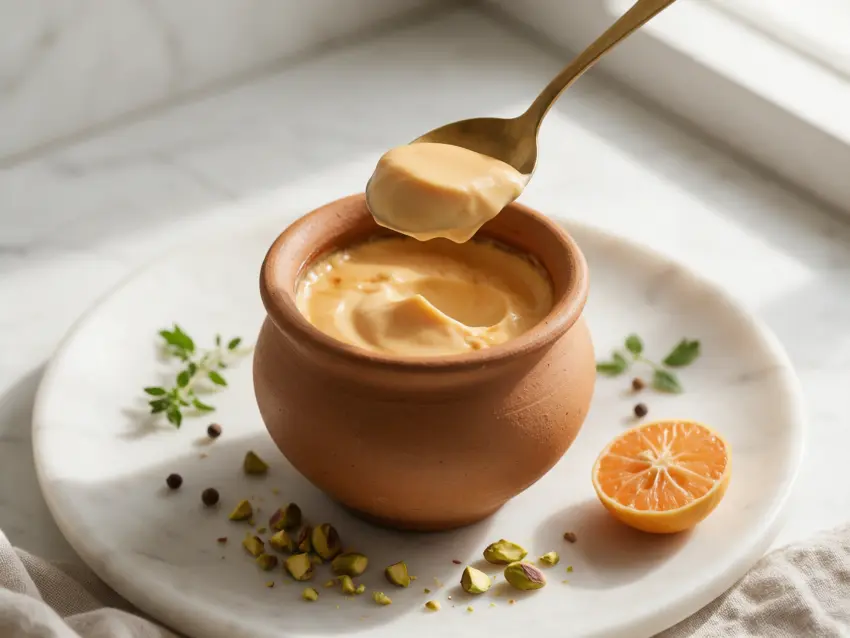
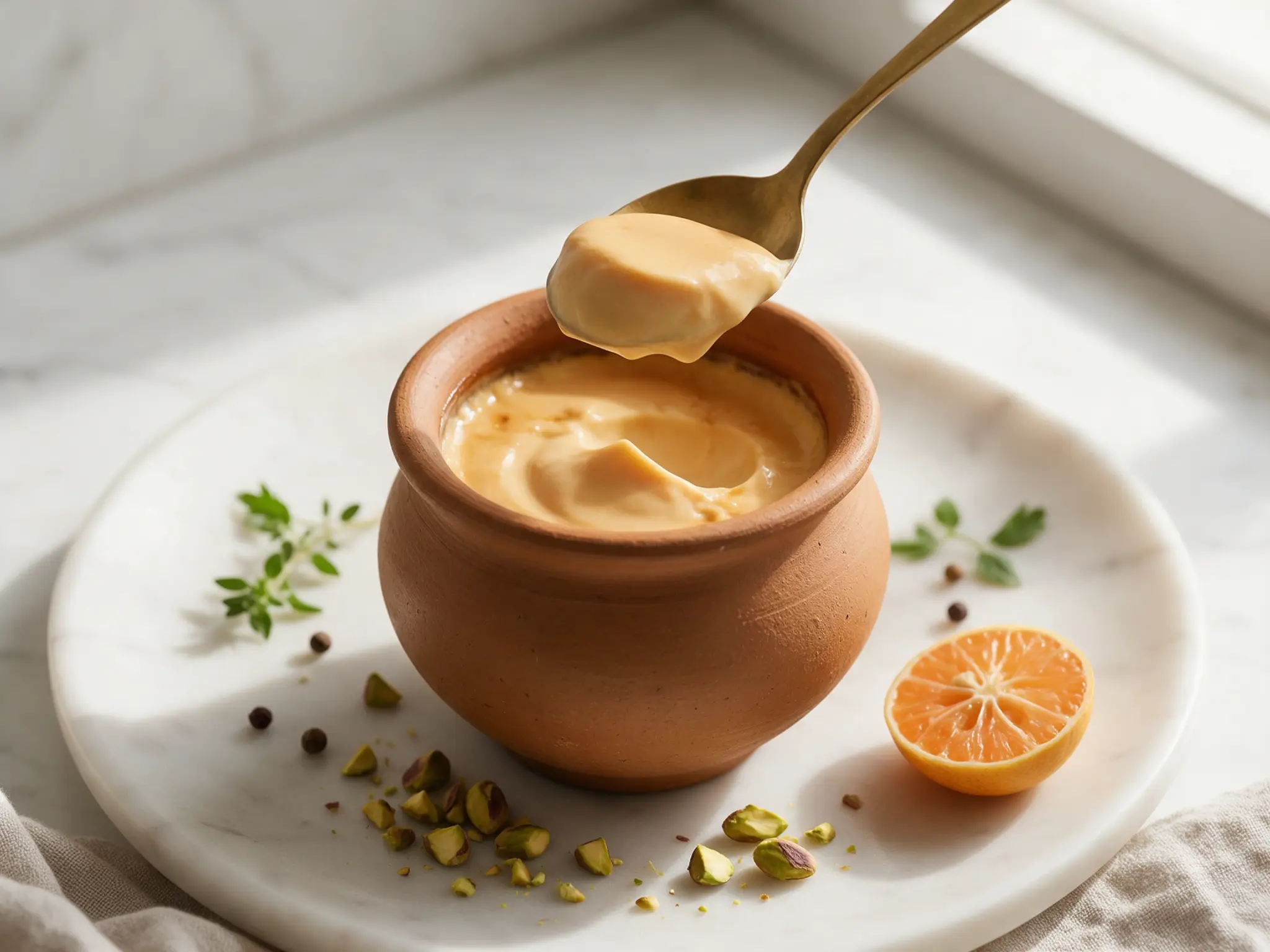
Bengali mishti doi is sweet yogurt made by simmering whole milk down to about 700 ml, stirring in caramelized sugar, and setting it with 2 tablespoons of live yogurt. It comes out thick, mildly tangy, and the color of toasted honey. You cook for 30 minutes, then wait.
There’s something about the caramel here. A slight bitter edge keeps the sweetness from going flat.
The one thing that goes wrong is heat. Stir the starter into milk hotter than 40 C / 104 F and the cultures die. You wake up to warm, sweet milk instead of yogurt. Use a thermometer, or wait until the pot feels warm, not hot, on your wrist.
In Bengal, mishti doi is sold in clay pots at sweet shops and served at weddings and festivals. Ramekins work fine at home.
Why You’ll Love This Recipe
- Four ingredients, no gelatin, no cornstarch, no special machine
- Caramel gives deep color and a faint bitter edge
- Active cooking is only 30 minutes, the rest is waiting
- Sets in individual pots, so serving is clean and easy
Ingredient Notes
- Whole milk: Use full-fat milk. Low-fat milk gives a looser set and a thinner flavor, even after reducing.
- Yogurt starter: Choose plain, unsweetened yogurt with live active cultures, ideally less than a week old. Greek yogurt works if you thin it with a little warm milk first.
- Granulated sugar: Half goes into the caramel and half into the milk. In Bengali winters, grated date palm jaggery (nolen gur) is a common swap.
- Clay pots: Unglazed clay pots pull out a little moisture as the yogurt sets. Rinse them first. Glass or ceramic ramekins are a fine substitute.
Bengali Mishti Doi: Caramelized Sweet Yogurt at Home
Ingredients
Method
- Pour the milk into a 3-quart / 2.8 L heavy-bottomed saucepan (about 20 cm / 8 inches wide) and note the level with a clean wooden spoon. Bring to a boil over medium heat, about 5 minutes, watching so it doesn't boil over. Reduce to medium-low, stir in 40 g sugar, and simmer for 25 minutes, stirring every few minutes and scraping the sides, until the level has dropped by about a third to roughly 700 ml.
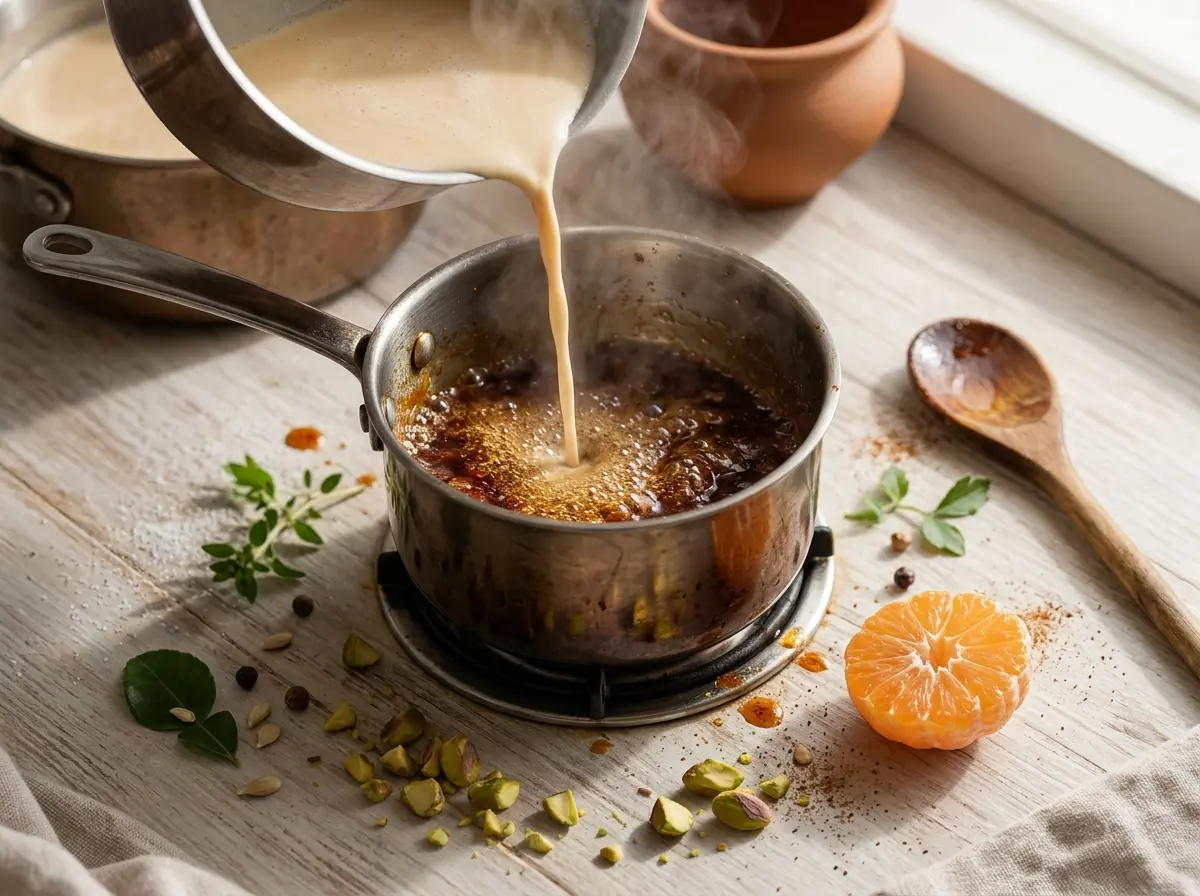
- While the milk simmers, put the other 40 g sugar and the water in a 16 cm / 6-inch small saucepan over medium heat. Swirl without stirring for 5 to 7 minutes until it turns deep amber, like dark honey. Take it off the heat and carefully pour in about 120 ml of the hot milk from the big pan. It will spit and seize. Return to low heat and stir for 1 minute until smooth.
- Scrape the caramel milk into the big pan and stir. Take the pan off the heat and cool for 30 minutes, stirring now and then, until an instant-read thermometer reads 40 C / 104 F. Skim off any skin.
- Whisk the yogurt in a small bowl with a ladle (about 60 ml) of the cooled milk until smooth. Stir it back into the pan, then pour the milk through a fine-mesh sieve into four 250 ml / 8-oz clay pots or ramekins, leaving about 1 cm / 1/2 inch below the rim.
- Cover the pots loosely with foil or lids and set them somewhere warm and still, such as an oven that's off with the light on. Leave for 8 hours without moving them, until the surface is firm and the yogurt jiggles like soft custard with no liquid pooling.
- Move the pots to the fridge and chill for 3 hours. Serve cold, straight from the pots.
Notes
- Use a heavy-bottomed pan so the milk doesn't scorch while it reduces.
- Take the milk's temperature before adding yogurt, not after.
- Pour hot milk into the caramel slowly, because it spits.
- Keep the pots still for the full 8 hours.
- Chill at least 3 hours so each pot holds a clean spoonful.
Tips for Success
- Check the milk with an instant-read thermometer and add the yogurt at 40 C / 104 F, because hotter milk kills the live cultures.
- Dip a clean wooden spoon into the milk before simmering and note the level, so you can tell when it has dropped by a third.
- Pull the caramel off the heat at deep amber, the shade of dark honey, because once it smokes it turns bitter.
- Whisk the yogurt with a ladle of the cooled milk before stirring it in, so it blends without lumps.
- Leave the pots untouched for the full 8 hours, since moving them breaks the fragile curd and lets whey pool on top.
Variations
- Swap the white sugar for 80 g grated date palm jaggery, known in Bengal as nolen gur, and skip the caramel step for a smoky, molasses-like flavor.
- Stir a pinch of ground cardamom into the milk as it cools for a floral, slightly citrusy note.
- Top each chilled pot with chopped pistachios or toasted almond slivers just before serving for a crunchy contrast.
Storage and Reheating
Mishti doi keeps for 4 to 5 days in the fridge, covered with foil, a lid, or plastic wrap. Keep it in the pots it set in so the surface stays smooth. The flavor gets tangier each day.
It’s served cold, so there’s nothing to reheat. Freezing isn’t worth it either, because thawing makes the curd grainy and watery.
For a make-ahead plan, set the pots in the evening, move them to the fridge the next morning, and serve that night.
Serving Suggestions
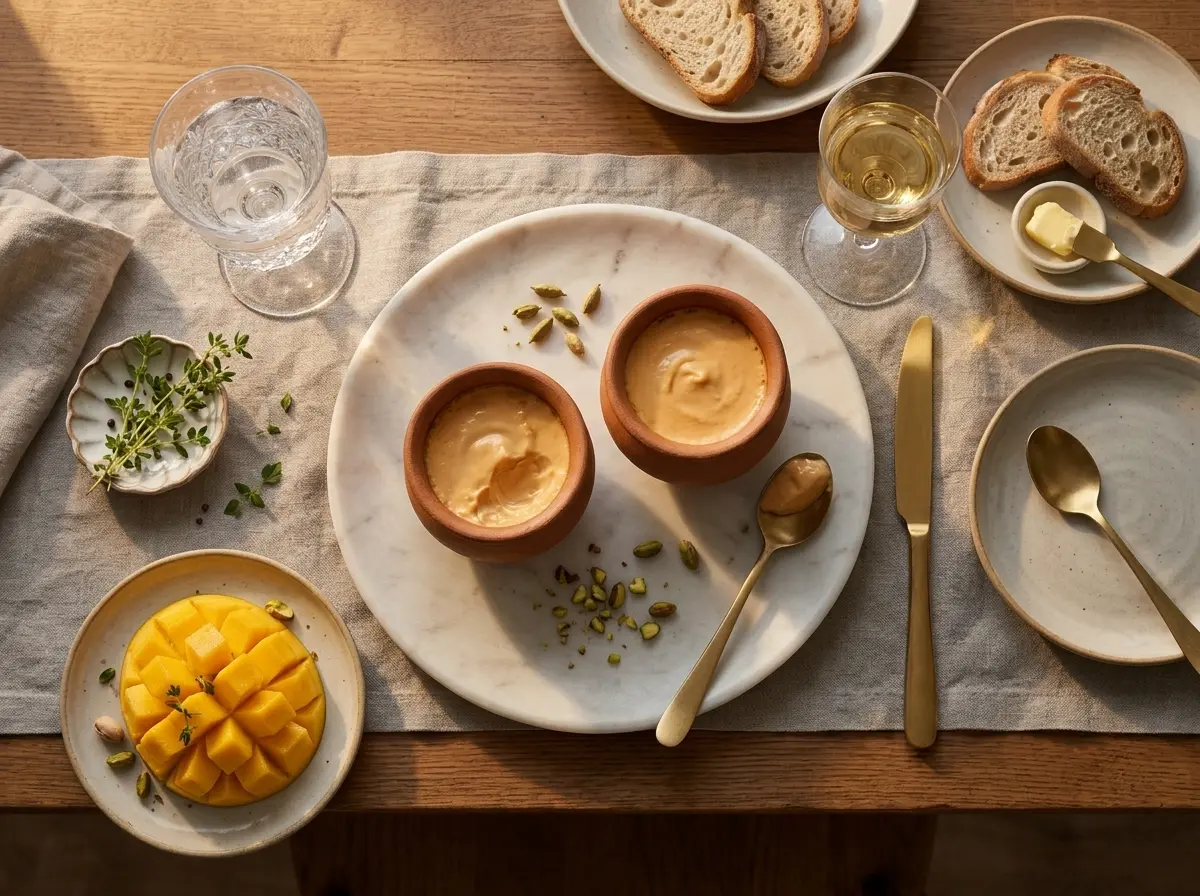
Serve mishti doi cold, straight from the pots, with a small spoon. A pot of about 200 g is a full dessert serving.
In Bengal it comes at the end of a meal, often after fish curry, rice, or biryani. The cool, sweet yogurt calms spicy food.
At home, I add sliced mango in summer or chopped pistachios any time. A plain butter biscuit on the side adds crunch.
FAQ
Why is my mishti doi watery and not setting?
Watery mishti doi usually means the milk was above 40 C / 104 F when the yogurt went in, or the pots sat somewhere too cool. Heat kills the live cultures, and a cold spot slows them down. If the pots are still loose at 8 hours, move them somewhere warmer and check again after 2 hours.
Can I use Greek yogurt as the starter for mishti doi?
Yes. Use 2 tablespoons of plain, unsweetened Greek yogurt with live cultures, and whisk it with a ladle of the warm milk first. Greek yogurt is thicker than regular yogurt, so it needs that thinning step to blend smoothly. The finished pots taste slightly tangier.
How long does mishti doi last in the fridge, and can I freeze it?
Mishti doi keeps for 4 to 5 days in the fridge, covered. Don’t freeze it. Thawing breaks the curd and leaves it grainy, with watery pools on top. If you’re making it for a party, set it the day before and chill it overnight.
What goes well with mishti doi?
Fresh mango, sliced banana, or chopped pistachios all work on top. It’s the traditional closer after a spicy Bengali meal like fish curry or biryani. A plain butter biscuit on the side gives a crisp contrast to the soft set.
What is the difference between mishti doi and regular yogurt?
Mishti doi is sweetened with caramelized sugar and set from milk simmered down by about a third. That makes it thicker, beige-brown, and mildly tangy. Regular dahi is plain, white, and sour, made from unreduced milk. Mishti doi has a texture closer to soft baked caramel custard.
Is mishti doi gluten free, and how much sugar is in one pot?
Yes, mishti doi is naturally gluten free, since it only uses milk, sugar, and yogurt. Each pot has about 20 g of added sugar, plus the natural lactose in the milk. It does contain dairy, so it isn’t suitable for dairy-free diets.
More from the kitchen
