
Jump to Recipe
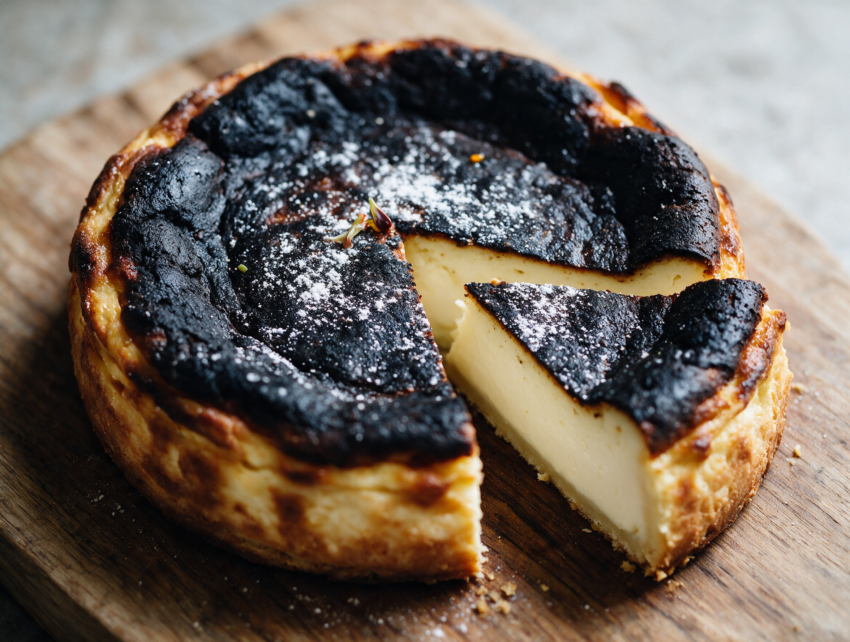
Tourteau fromager is a French goat cheese cake from the Poitou region, baked in a tall mold until the top turns almost black while the inside stays soft and tangy.
I first ran into one at a market stall in Niort, sitting next to normal-looking pastries but browned almost to charcoal on top. I thought it was burnt. It wasn’t.
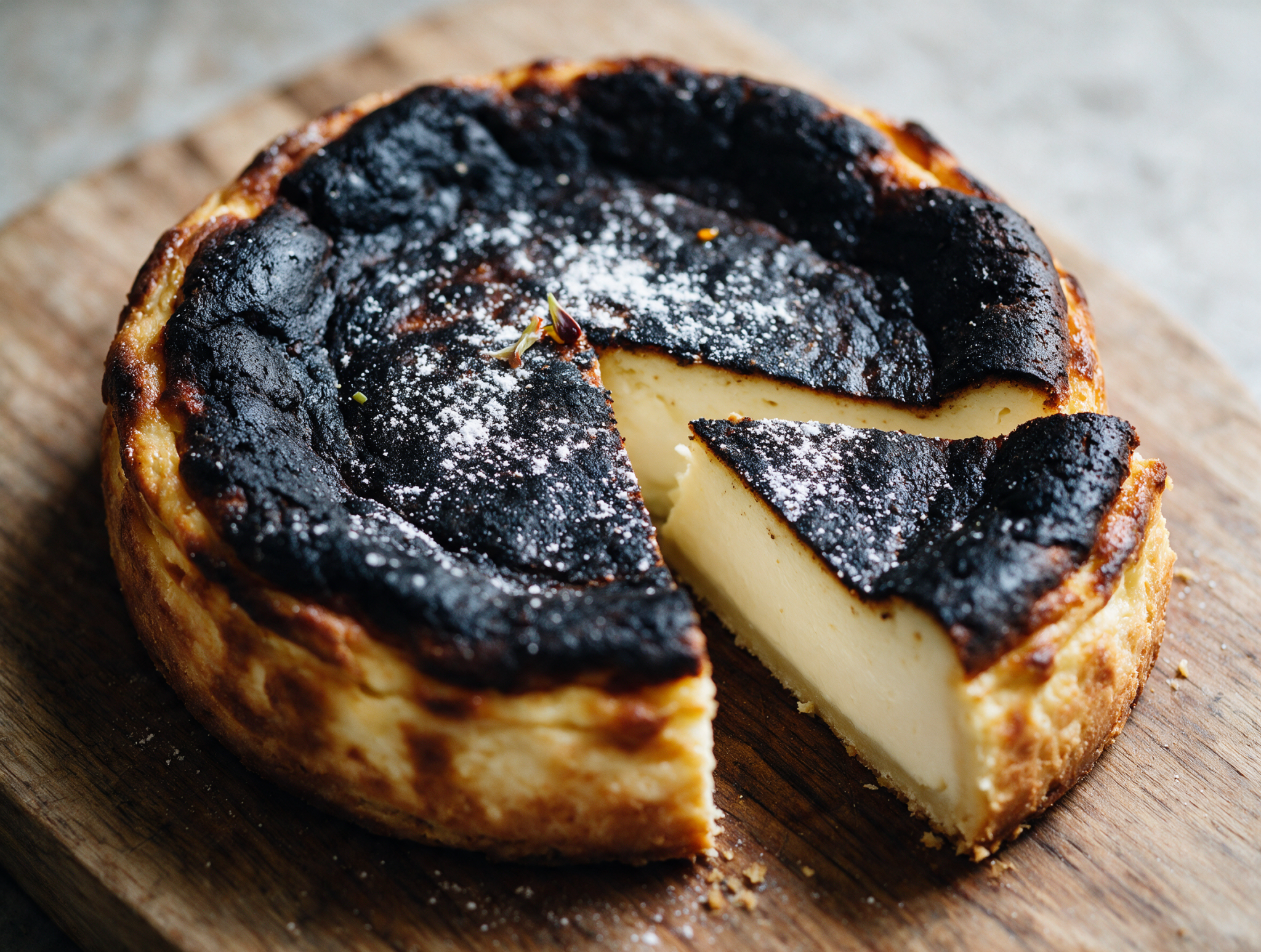
That blackened crust is the whole point. Underneath, the goat cheese filling puffs up during baking, then sinks back down as it cools, leaving a dense, custardy layer wrapped in a thin pastry shell.
You don’t need a specialty mold to get the tall dramatic rise. A springform pan with a tall parchment collar does the job at home.
This version uses fresh goat cheese and a simple shortcrust base that holds up under the wet filling.
Why You’ll Love This Recipe
- Dramatic blackened crust looks impressive, tastes surprisingly delicate
- Fresh goat cheese gives a tangy, less-sweet filling
- Whipped egg whites keep the custard light, not dense
- Tastes better the next day, ideal for planning ahead
Ingredient Notes
- Fresh goat cheese: Use chèvre frais or well-drained fromage blanc. If yours is very wet, drain it in a fine-mesh sieve for 30 minutes or the filling won’t set.
- Eggs: Separate the yolks and whites. The whipped whites are what give the filling its lift and lighter texture.
- All-purpose flour: Used in both the pastry and the filling. A 1:1 gluten-free blend can replace the filling flour, but the pastry needs real gluten to hold its shape.
- Cold butter: Keep it cold and cubed right up until you cut it into the flour, for a flakier crust.
- Vanilla extract: Optional, but it rounds out the tang from the goat cheese without masking it.
Tourteau Fromager: Blackened French Goat Cheese Cake
Ingredients
Method
- Combine the flour, 1 tbsp sugar, and 1/4 tsp salt in a bowl. Cut in the cold butter with your fingertips until the mixture looks like coarse crumbs.
- Add the egg yolk and 2-3 tbsp ice water, mixing just until the dough comes together. Flatten into a disk, wrap, and chill for 30 minutes.
- Butter an 18 cm / 7-inch springform pan. Cut a strip of parchment paper to line the inside walls, letting it stand 10 cm / 4 inches above the rim to catch the rising filling.
- Roll the chilled dough on a floured surface and press it into the base and about 2 cm up the sides of the pan. Prick the base with a fork.
- Whisk the egg yolks with the 180 g sugar until pale. Stir in the goat cheese, 70 g flour, vanilla, and a pinch of salt until smooth.
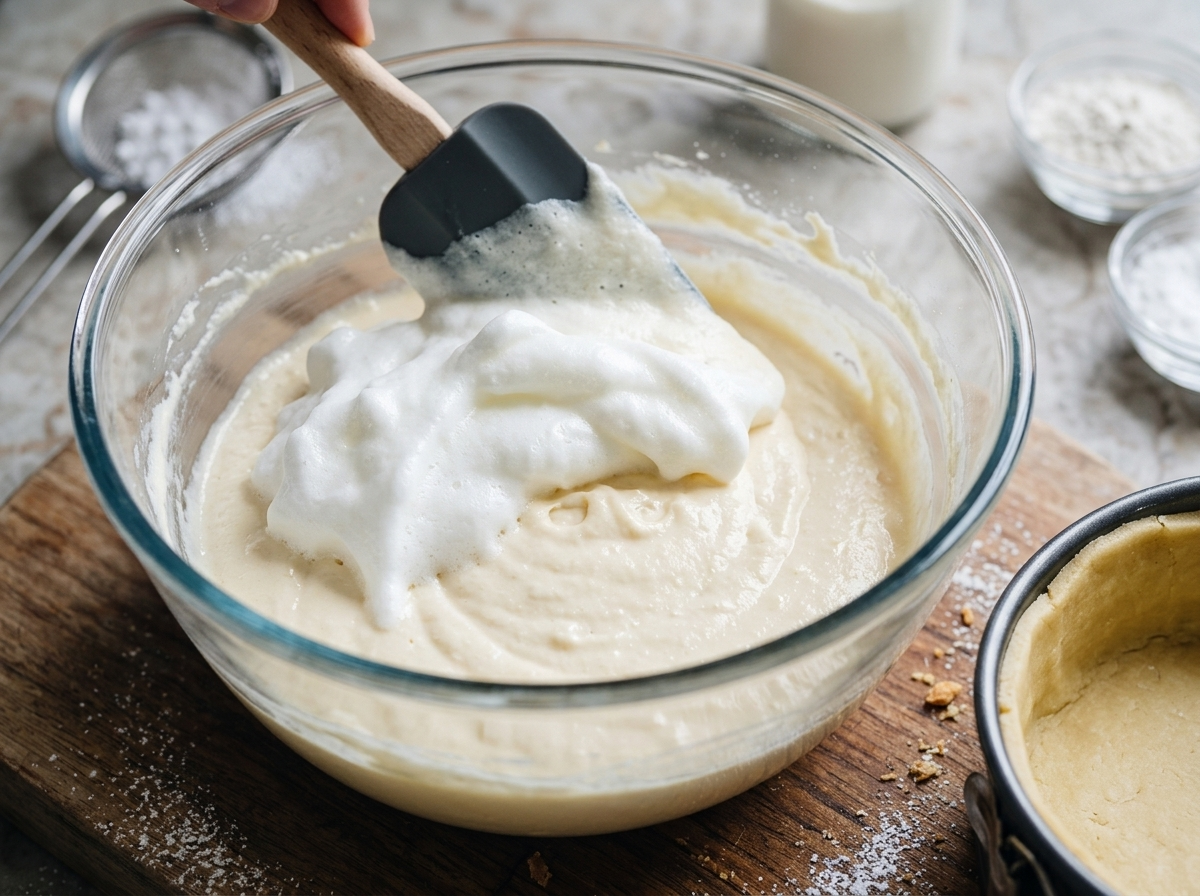
- In a clean, dry bowl, whip the egg whites to stiff peaks. Fold them into the cheese mixture in two additions, keeping the batter airy.
- Pour the filling into the pastry-lined pan, up toward the top of the parchment collar. It will rise well above the pan while baking.
- Bake at 220C/425F for 15 minutes, then lower the oven to 180C/355F and bake another 30 to 35 minutes, until the top is deeply browned to near-black and the center jiggles slightly, internal temp around 165F/74C.
- Turn off the oven, crack the door, and let the cake sit inside for 10 minutes to soften the fall. Then remove and cool completely in the pan on a rack, at least 2 hours, before slicing.
- Peel away the parchment collar, transfer the cake to a plate, and slice with a sharp knife dipped in warm water between cuts.
Notes
- Drain very wet goat cheese before mixing or the filling stays loose.
- Build the parchment collar tall, the batter rises well above the pan.
- Don't skip the initial 220C/425F blast, it makes the signature dark top.
- Let the cake cool fully in the pan before unmolding or slicing.
Tips for Success
- Drain very wet goat cheese in a fine-mesh sieve for 30 minutes before mixing, or the filling won’t set properly.
- Whip the egg whites to stiff peaks and fold them in gently, so the batter keeps its air and rises tall in the oven.
- Build a parchment collar at least 10 cm / 4 inches above the pan rim, since the filling puffs well past the top before it falls.
- Bake at the full 220C/425F for the first 15 minutes to get the signature dark crust, then drop the heat so the center finishes gently.
- Cool the cake fully in the pan for at least 2 hours before slicing, since the custard firms up as it cools.
Variations
- Swap half the goat cheese for mascarpone for a milder, creamier filling that still holds the classic dark top.
- Add a teaspoon of orange blossom water or lemon zest to the filling for a brighter, more traditional Poitou flavor.
- Skip the pastry shell entirely and bake the filling alone in a buttered, floured mold for a simpler, crustless version.
Storage and Reheating
Tourteau fromager keeps well chilled, covered, in the fridge for 3-4 days. The flavor actually rounds out overnight as the tang from the goat cheese settles into the custard.
This isn’t a dish you reheat. It’s meant to be eaten cold or at room temperature, so just pull a slice out and let it sit on the counter for 20-30 minutes before serving.
Freezing isn’t a good idea here. The soft custard and short pastry both turn watery and grainy once thawed.
Serving Suggestions
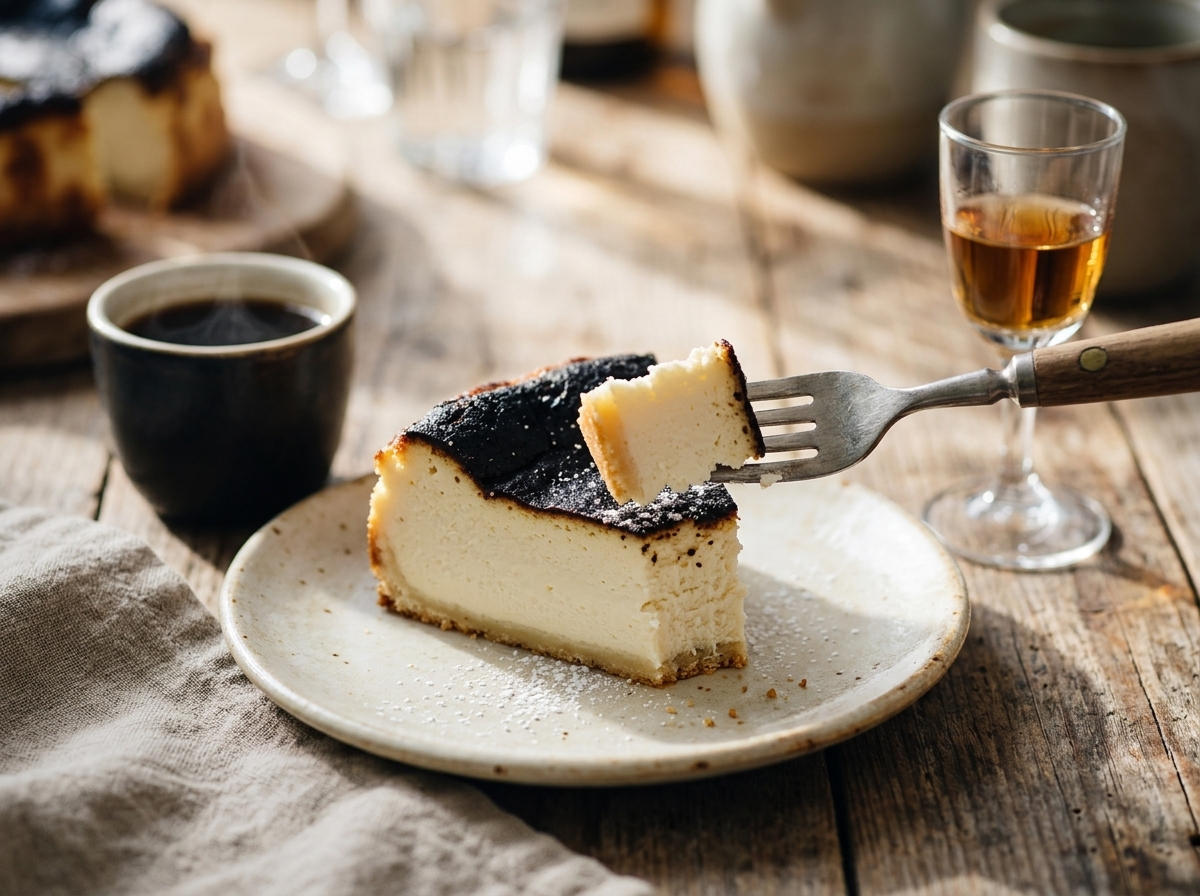
Serve tourteau fromager in thin wedges, since a little goes a long way with a filling this rich. A dusting of powdered sugar is traditional and about all it needs.
In Poitou, it usually shows up alongside coffee in the afternoon rather than as a formal dessert. A glass of pineau des Charentes on the side keeps things regional.
Fresh berries or a spoon of tart fruit compote balance the density if you want something brighter next to it.
FAQ
Why did my tourteau fromager turn almost black on top?
That’s normal, not burnt. The filling has enough sugar that the top caramelizes hard at the initial 220C/425F blast, turning deep brown to near-black while the inside stays soft. If your crust came out pale, your oven likely ran cool, so check the temperature with an oven thermometer next time.
Can I use cream cheese instead of fresh goat cheese for tourteau fromager?
You can, but it changes the flavor. Cream cheese gives a milder, less tangy filling than traditional fresh goat cheese (chèvre frais), so I’d mix half cream cheese with half goat cheese if you want a gentler version. Straight cream cheese also holds more moisture, so drain it in a sieve for 30 minutes first.
Can I make tourteau fromager a day ahead?
Yes, and it actually tastes better the next day once the custard fully sets. Bake it, cool completely, then cover and refrigerate for up to 3-4 days. Let it sit at room temperature for 20-30 minutes before serving so the texture softens slightly.
What pairs well with a slice of tourteau fromager?
A glass of chilled pineau des Charentes or a dry white wine works well, since the filling is tangy and rich. Fresh berries or a light fruit compote on the side cut through the density, and coffee is the everyday match in Poitou.
Is tourteau fromager gluten-free?
No, this version isn’t gluten-free. It uses regular flour in both the shortcrust base and the filling for structure. You could try a 1:1 gluten-free flour blend in the filling, but the pastry crust really needs the gluten to hold its shape once it’s filled with the wet goat cheese mixture.
What’s the difference between tourteau fromager and a regular cheesecake?
Tourteau fromager uses fresh goat cheese instead of cream cheese, and the top is deliberately baked until it blackens instead of staying pale. It’s also lighter than New York cheesecake, since whipped egg whites get folded into the batter, giving it a souffle-like rise before it sinks back down as it cools.
You might also like
- the Homemade Molasses Spice Cake with Cream Cheese Glaze
- Baked Cream Cheese Jam Bars with a Shortbread Crust recipe
