
Jump to Recipe
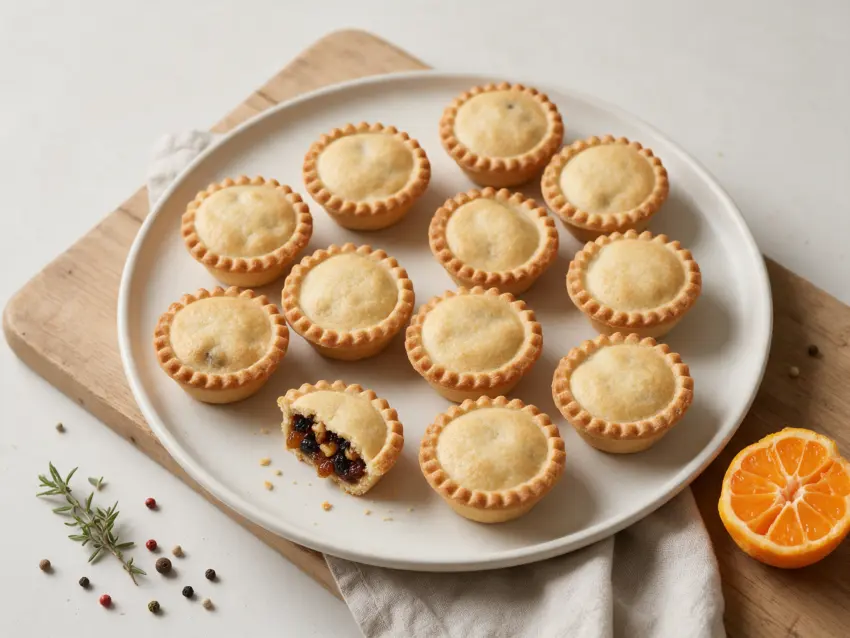
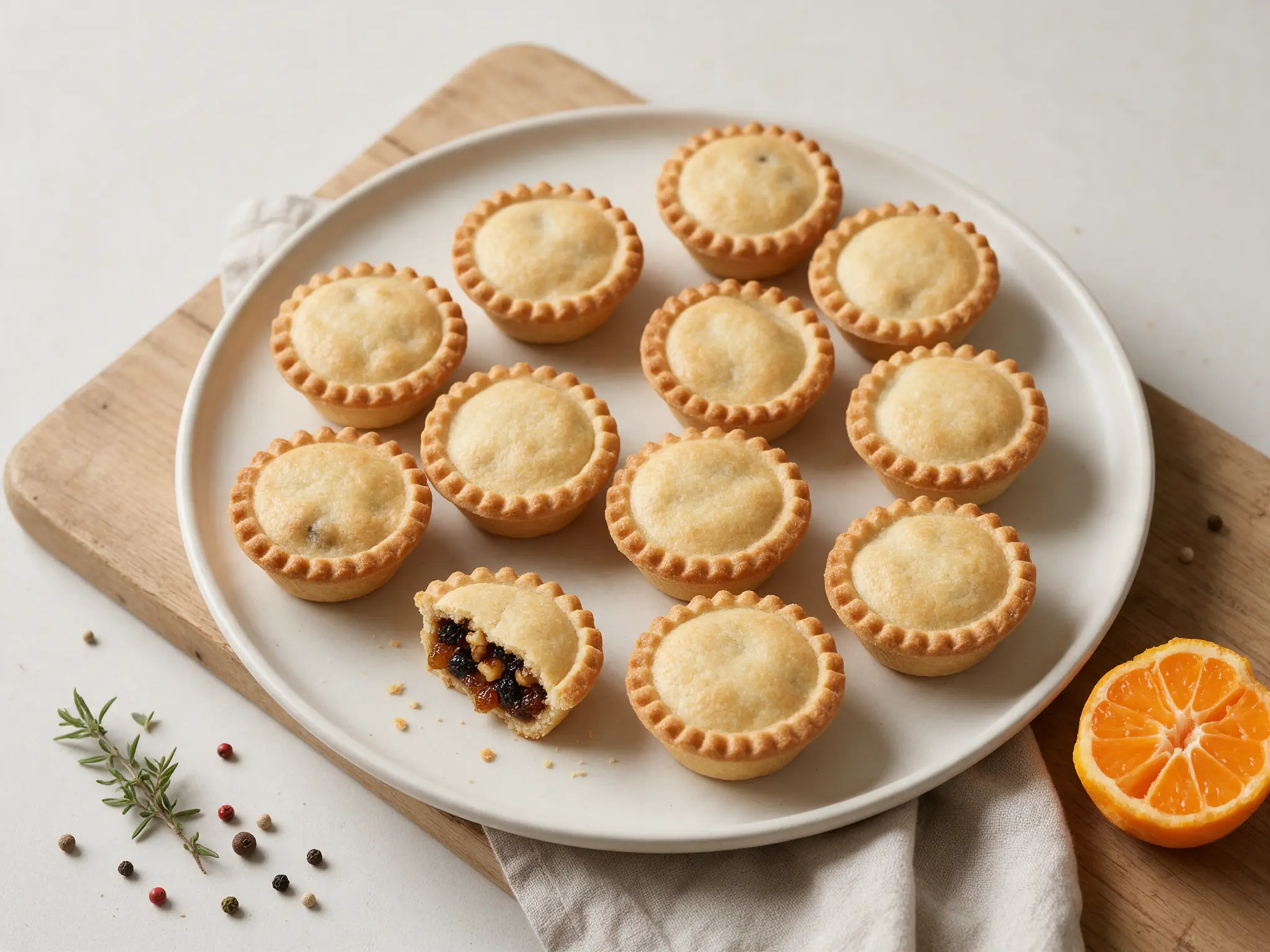
Scottish Ecclefechan tarts are small shortcrust pastry cases filled with brown sugar, butter, egg, dried vine fruit and walnuts, with a spoonful of vinegar to cut the sweetness. This recipe makes 12 and needs about 25 minutes of hands-on work.
There’s something about the first bite. Crisp pastry gives way to a dark, jammy filling with soft fruit and a little walnut crunch. The vinegar doesn’t taste sharp. It just keeps the sugar from going flat.
The tarts come from the village of Ecclefechan in Dumfries and Galloway, in the south of Scotland. They’re a tea-time staple and a close cousin of Border tart.
One thing to watch. Fill each case only about three-quarters full. The sugary filling bubbles up in the oven and glues overfilled tarts to the tin.
Why You’ll Love This Recipe
- Pastry and filling both use ordinary pantry staples
- The dough chills ahead, so baking takes just 22 minutes
- A splash of cider vinegar keeps the sweet filling balanced
- Tarts keep 3 to 4 days and freeze for 2 months
Ingredient Notes
- light brown sugar: Soft light brown sugar gives a caramel note without overpowering the fruit. Dark brown works too and tastes more of molasses.
- mixed dried fruit: Use currants and sultanas for the classic mix. Raisins are fine, but chop large ones so each bite has even fruit.
- walnuts: Roughly chop them so they stay chunky. Pecans are a good swap, and you can leave them out for a nut-free batch.
- cider vinegar: It balances the sugar and you won’t taste it as vinegar once baked. White wine vinegar is the closest substitute.
- unsalted butter: Keep it cold for the pastry and melted then slightly cooled for the filling. If you only have salted butter, reduce the pastry salt to a pinch.
Scottish Ecclefechan Tarts with Brown Sugar and Walnuts
Ingredients
Method
- Whisk the flour, sugar and salt in a bowl. Rub in the cold butter with your fingertips until the mix looks like coarse crumbs with a few pea-sized pieces. Stir in the ice water 1 tablespoon at a time until the dough clumps, then press it into a disc, wrap it and chill for 30 minutes.
- While the dough chills, heat the oven to 190 C / 375 F (170 C fan) and grease a 12-hole tart tin with 7 cm / 2.75-inch cups using the soft butter.
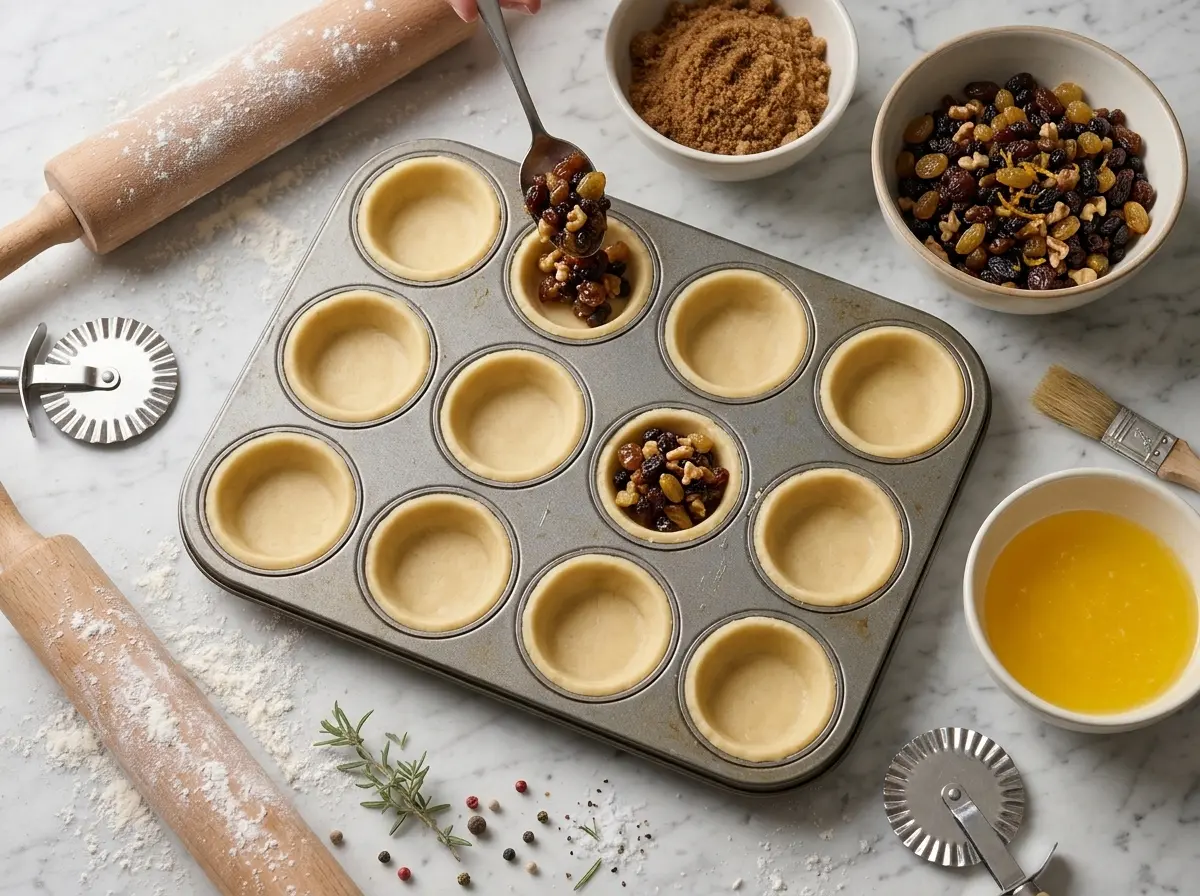
- Roll the chilled dough on a floured surface to 3 mm thick. Cut twelve 10 cm / 4-inch rounds, re-rolling the scraps once, and press one round into each cup.
- Whisk the melted butter and brown sugar until smooth. Whisk in the eggs and vinegar, then stir in the dried fruit and walnuts.
- Spoon the filling into the cases, stirring between scoops so the fruit is spread evenly. Fill each case only three-quarters full, because the sugar bubbles up as it bakes and sticks overfilled tarts to the tin.
- Bake on the middle rack for 20 to 22 minutes, until the filling is puffed and dark golden with no wobble and the pastry edges are golden brown.
- Cool the tarts in the tin for 15 minutes. Loosen each one with a small knife and move it to a wire rack.
Notes
- Chill the dough for at least 30 minutes so the cases hold their shape.
- Cool the melted butter for a few minutes before whisking in the eggs.
- Fill the cases three-quarters full, never to the rim.
- Loosen the tarts with a small knife after 15 minutes of cooling in the tin.
Tips for Success
- Rub the cold butter into the flour until it looks like coarse crumbs with a few pea-sized pieces left, then stop so the pastry stays short.
- Roll the dough to 3 mm and cut 10 cm rounds so each one fits a 7 cm cup with a small lip.
- Let the melted butter cool for a few minutes before whisking in the eggs so they don’t start to scramble.
- Fill each case only three-quarters full and grease the tin with soft butter so any bubbled-over sugar lifts off easily.
- Leave the tarts in the tin for 15 minutes after baking, since the filling firms up as it cools and loosens cleanly.
Variations
- Swap the walnuts for pecans, or skip the nuts and add 20 g more dried fruit for a nut-free batch.
- Stir 1 tsp orange zest and a pinch of mixed spice into the filling for a warmer, Christmas-style tart.
- Make one large tart in a 23 cm / 9-inch fluted tin and bake 30 to 35 minutes at 190 C / 375 F until the center is set.
Storage and Reheating
Store cooled Ecclefechan tarts in an airtight container in the fridge for 3 to 4 days. Warm them in a 150 C / 300 F oven for 6 to 8 minutes to bring back the crisp pastry, or let them sit at room temperature for 20 minutes.
For longer storage, freeze baked tarts in a single layer, then stack them with parchment between each. They keep up to 2 months. Thaw overnight in the fridge and warm at 150 C / 300 F for 8 to 10 minutes.
To get ahead, wrap the pastry dough and refrigerate it for up to 2 days. Let it sit at room temperature for 10 minutes before rolling.
Serving Suggestions
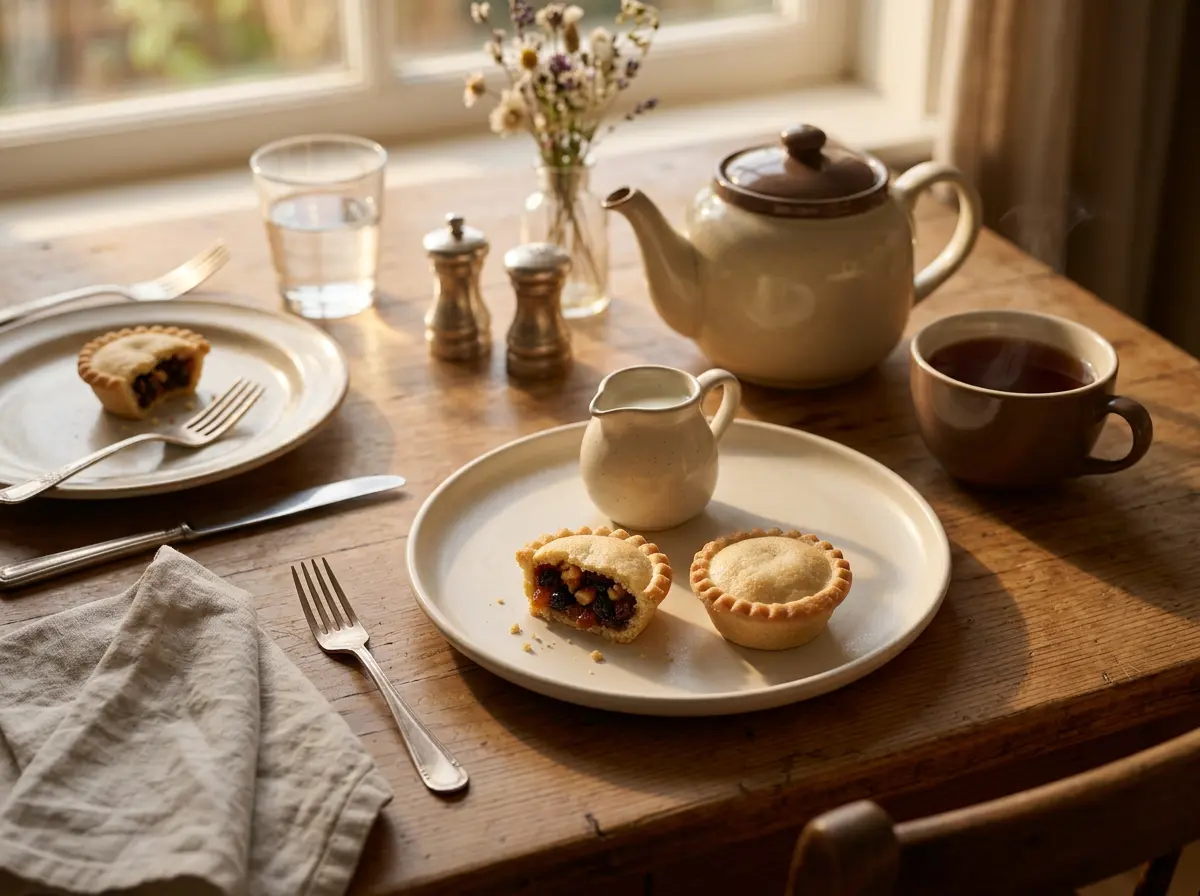
Serve Ecclefechan tarts at room temperature or slightly warm, much as you would a silky black currant curd tart, with a pot of strong black tea. The tea cuts through the sugary filling.
For a dessert, add a spoonful of clotted cream or vanilla custard to a warm tart.
Once fully cooled, they wrap well in parchment for picnics and lunchboxes.
FAQ
How do I know when Ecclefechan tarts are done?
Ecclefechan tarts are done after 20 to 22 minutes at 190 C / 375 F, when the filling is puffed and dark golden and doesn’t wobble when you nudge the tin. The pastry edges should be golden brown too. The filling firms up further as the tarts cool, so don’t wait for it to look dry.
Can I use pecans instead of walnuts in Ecclefechan tarts?
Yes, use pecans in the same 40 g amount. Pecans are slightly sweeter and less bitter, so the tarts taste a touch richer. You can also leave the nuts out and add 20 g more dried fruit, which makes a nut-free batch.
Can I freeze baked Ecclefechan tarts?
Yes, baked Ecclefechan tarts freeze well for up to 2 months. Freeze them in a single layer first, then stack with parchment between each. Thaw overnight in the fridge and warm at 150 C / 300 F for 8 to 10 minutes so the pastry crisps again.
What do you serve with Ecclefechan tarts?
A pot of strong black tea is the classic match, since the tea cuts through the sugary filling. For a dessert, serve the tarts slightly warm with a spoonful of clotted cream or vanilla custard. They also pack well for picnics once fully cooled.
What is the difference between Ecclefechan tarts and butter tarts?
Ecclefechan tarts use brown sugar, butter, egg, a splash of vinegar and walnuts with dried vine fruit, so the filling sets firm and jammy. Canadian butter tarts usually rely on syrup and often have a runnier center. Border tart is the closest Scottish relative.
Why do Ecclefechan tarts have vinegar in the filling?
Vinegar is there to balance the sugar. One tablespoon of cider vinegar gives the filling a faint tang you’d only notice if it were missing, and it stops the brown sugar and dried fruit from tasting flat. White wine vinegar works as a swap.
Loved this? Try these next
