
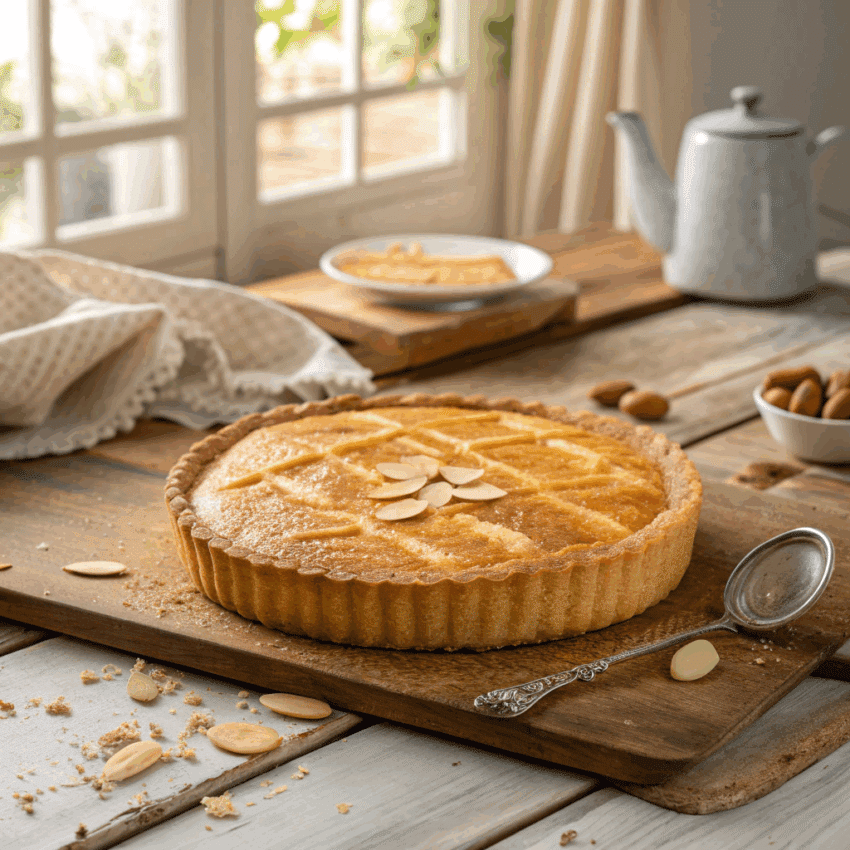
If you’ve ever wondered what makes Dutch desserts so comforting, let me introduce you to the Dutch boterkoek butter cake. Soft, buttery, and slightly sweet, this classic pastry has been a favorite in Dutch households for generations. Today, I’ll walk you through everything you need to know to make this delicious treat at home.
Boterkoek is often called “butter cake,” and rightly so. Its main ingredient is butter, blended with sugar and flour to create a dense, rich cake that melts in your mouth. Unlike sponge cakes, which are airy, Dutch butter cake is more like a tender shortbread that pairs perfectly with coffee or tea.
Whether you’re looking for an authentic Dutch butter cake experience or simply want a dessert that’s guaranteed to impress, this recipe is simple, rewarding, and deeply satisfying.
What Is Dutch Boterkoek?
At its core, boterkoek is a traditional Dutch almond butter cake. The name “boterkoek” literally translates to “butter cake” in Dutch, which gives you a clear hint about what makes this dessert so indulgent. It’s usually baked in a round pan, scored with a fork on top to create a classic pattern, and sometimes topped with almond slices for extra flavor and texture.
This cake has a long history in the Netherlands. Families have been baking it for centuries, often to celebrate special occasions or as an afternoon treat. Its simplicity is its charm—just butter, sugar, eggs, and flour, yet the outcome is unforgettable.
Ingredients You’ll Need
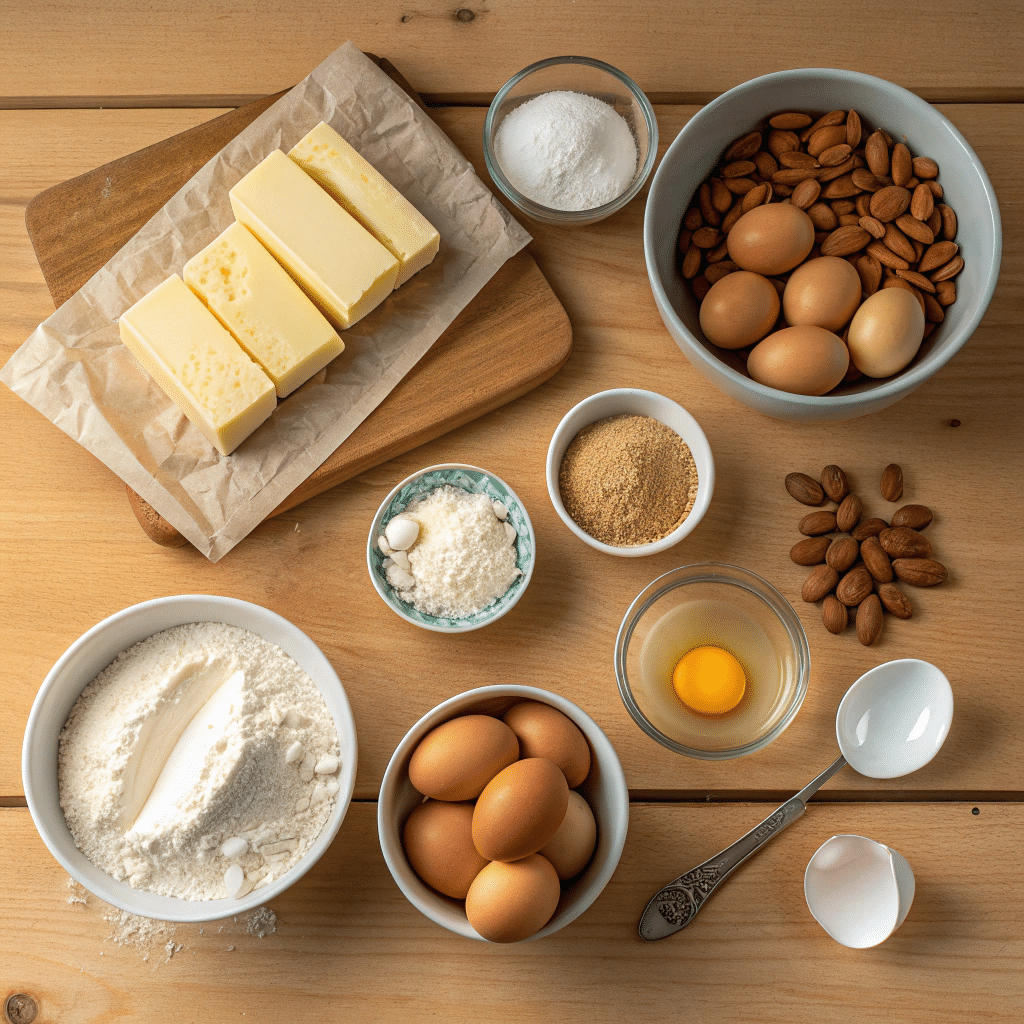
Making Dutch boterkoek doesn’t require a long shopping list. Here’s what you need:
- 1 cup (225g) unsalted butter, softened
- 1 cup (200g) granulated sugar
- 2 large eggs
- 2 cups (250g) all-purpose flour
- 1 tsp almond extract
- Optional: sliced almonds for topping
- A pinch of salt
Pro tip: Use high-quality butter. Since butter is the star, it really makes a difference in flavor.
How To Make Dutch Butter Cake
Here’s my step-by-step approach to baking this traditional Dutch boterkoek pastry:
- Preheat the Oven: Start by preheating your oven to 350°F (175°C). Grease an 8-inch (20 cm) round baking pan lightly with butter.
- Cream Butter and Sugar: In a large bowl, mix softened butter and sugar until smooth. Don’t worry about overbeating—just make sure it’s creamy.
- Add Eggs and Almond Extract: Beat in eggs one at a time, followed by almond extract. You’ll notice the mixture becoming richer and more fragrant.
- Fold in Flour: Gradually add flour and a pinch of salt. Mix until everything comes together into a smooth dough.
- Shape the Cake: Press the dough into the prepared pan evenly. Smooth the top with a spatula or your fingers.
- Create the Signature Pattern: Use a fork to score the surface in a criss-cross pattern. If you like, sprinkle sliced almonds on top for a little crunch.
- Bake: Bake for 25–30 minutes or until the top is lightly golden. The cake should remain slightly soft in the center—that’s perfect!
- Cool and Slice: Let the cake cool in the pan for 10–15 minutes before transferring to a wire rack. Slice into wedges or squares and enjoy with a cup of coffee or tea.
Tips for the Perfect Dutch Boterkoek
Making a great butter cake is easier than it seems, but a few tips can make it even better:
- Don’t skimp on butter: It’s called butter cake for a reason!
- Room temperature ingredients: Ensure eggs and butter are not cold. This helps the ingredients blend smoothly.
- Score the top: It’s not just decorative—it also helps the cake bake evenly.
- Almond extract is key: It adds a subtle, nutty aroma that makes the cake unmistakably Dutch.
- Serving suggestion: Serve slightly warm with coffee, tea, or even a dollop of whipped cream for a treat that feels extra special.
Variations of Dutch Butter Cake
While the classic recipe is delicious on its own, there are a few ways to make it even more exciting:
- Almond Boterkoek: Add sliced almonds or almond flour for a nuttier texture.
- Dutch Butter Cake 12 Tomatoes Version: Some modern twists include adding fruits like cherry tomatoes for a lightly sweet and tangy contrast.
- Chocolate Dutch Butter Cake: Mix in a bit of cocoa powder for a chocolatey twist.
- Mini Boterkoek Cookies: Make bite-sized versions for parties or gift boxes.
Why You’ll Love This Recipe
I love sharing this recipe because it’s approachable yet indulgent. Unlike complicated desserts that require hours of preparation, boterkoek is forgiving, quick, and gives you a sweet payoff. The buttery richness and subtle almond flavor make it a crowd-pleaser.
It’s one of those recipes where you can feel the love in every bite. I sometimes catch myself eating a slice before anyone else arrives, and I won’t lie—it’s hard not to!
Whether you’re baking for yourself or for guests, Dutch boterkoek butter cake is a dessert that feels like a hug on a plate.
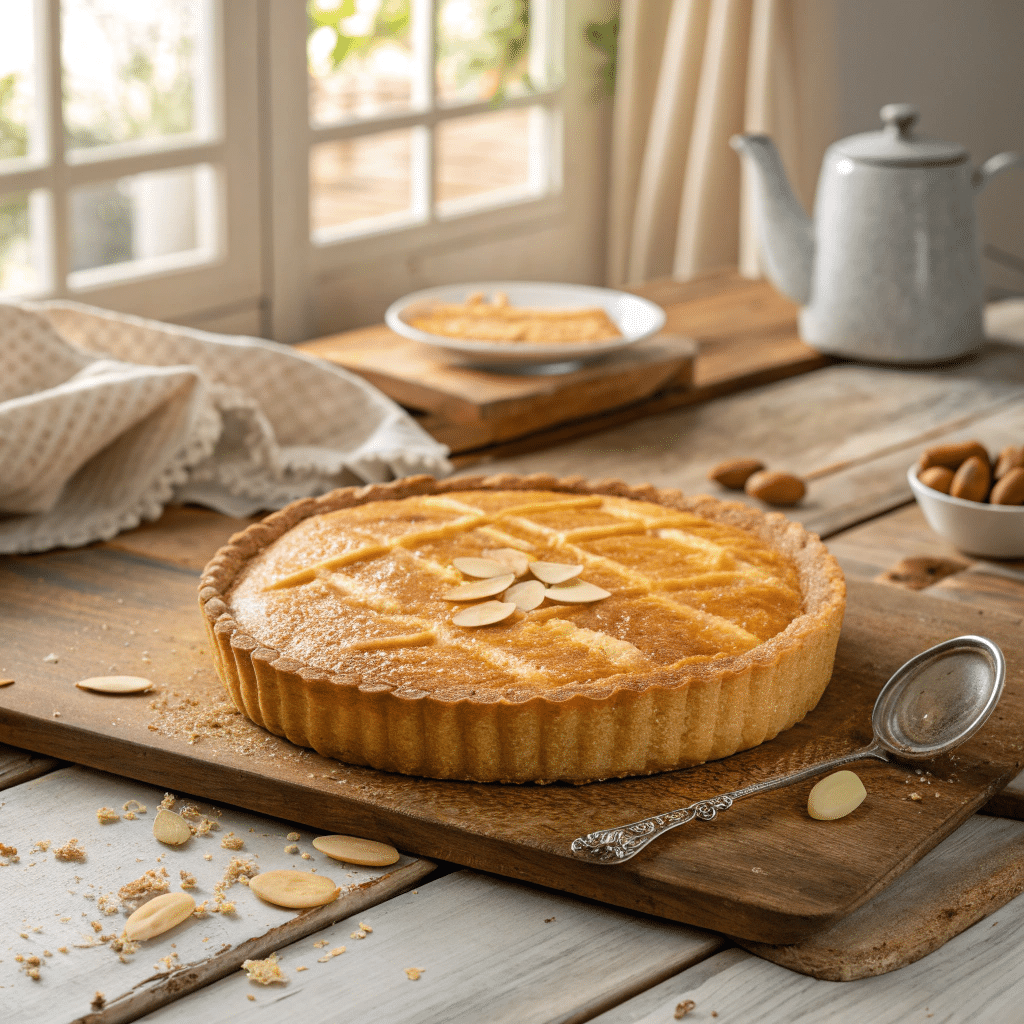
Dutch Boterkoek Butter Cake
Ingredients
Method
- Preheat Oven: Set your oven to 350°F (175°C). Lightly butter an 8-inch (20 cm) round baking pan.
- Mix Butter and Sugar: In a large bowl, beat the softened butter with sugar until smooth and creamy.
- Add Eggs and Extract: Add eggs one at a time, mixing well after each. Stir in almond extract.
- Fold in Flour: Gradually add flour and a pinch of salt. Mix until it forms a smooth dough.
- Shape Cake: Press the dough evenly into the prepared pan. Smooth the top with a spatula or fingers.
- Create Pattern: Use a fork to score a criss-cross pattern on top. Sprinkle sliced almonds if desired.
- Bake: Place in the oven for 25–30 minutes. The top should be lightly golden; the center stays soft.
- Cool & Serve: Let cool for 10–15 minutes before slicing. Serve warm or at room temperature.
Notes
- Use room temperature butter and eggs for better mixing.
- This cake is best enjoyed fresh but keeps for 2–3 days in an airtight container.
- For a twist, you can try mini butter cake cookies or add cocoa powder for a chocolate version.
FAQ About Dutch Boterkoek Butter Cake
Q: Can I make Dutch boterkoek ahead of time?
A: Absolutely! This cake stores well in an airtight container at room temperature for 2–3 days. You can even freeze it for up to a month.
Q: Can I use margarine instead of butter?
A: You could, but the flavor won’t be as rich. Real butter is key to achieving the authentic Dutch taste.
Q: How do I know when it’s done?
A: The top should be lightly golden, and the edges should pull slightly away from the pan. The center will remain soft, which is exactly how it should be.
Q: Can I make it gluten-free?
A: Yes, you can substitute all-purpose flour with a gluten-free flour blend, but the texture may be slightly different.
Q: Can I add other flavors?
A: Sure! Lemon zest, cinnamon, or even a dash of vanilla can complement the almond flavor nicely.
