
Jump to Recipe
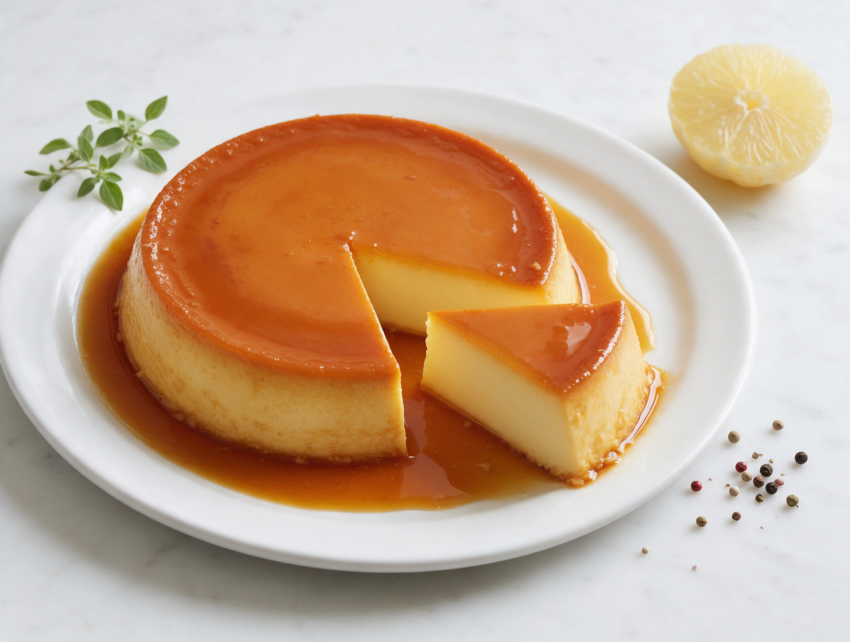
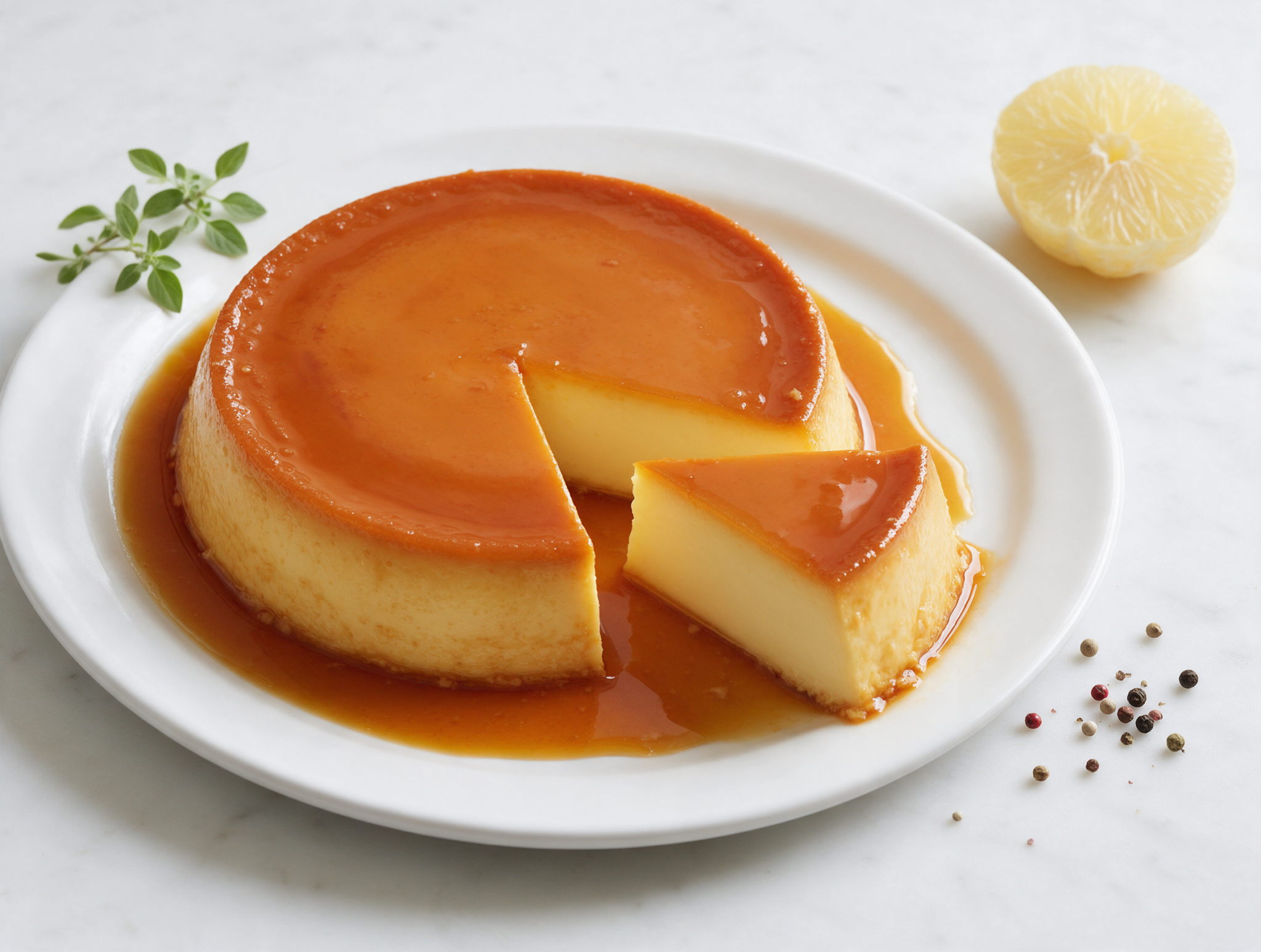
Venezuelan quesillo is a baked custard dessert made from eggs, condensed milk and evaporated milk, poured over hardened caramel and baked in a water bath until it sets into something denser than French flan.
I first had it at a friend’s house in Caracas, sliced thin, the caramel pooling around each piece on the plate. No cheese in sight, despite the name.
The trick is the water bath. It keeps the eggs from scrambling and gives you a smooth, cuttable custard instead of a rubbery one.
You bake it low and slow, chill it overnight, then run a knife around the edge and flip it onto a plate. The caramel does the rest.
Why You’ll Love This Recipe
- Only five ingredients, most already in your kitchen
- Water bath keeps the custard smooth, no rubbery edges
- Make-ahead dessert that tastes better the next day
- One mold, no fancy equipment beyond a roasting pan
Ingredient Notes
- granulated sugar: Used dry or with a splash of water for the caramel. Watch the color, not the clock, since it can burn fast at the end.
- eggs: Use large eggs at room temperature so they blend into the milk smoothly without leaving lumps.
- sweetened condensed milk: Gives quesillo its density and sweetness. Don’t swap it for evaporated milk, they’re not interchangeable.
- evaporated milk: Adds body without extra sugar. Whole milk works in a pinch but the custard will set looser.
- vanilla extract: Pure extract gives a cleaner flavor than imitation vanilla here since there’s so little else in the mix.
- salt: Just a pinch to balance the sweetness, it won’t make the custard taste salty.
Classic Baked Venezuelan Quesillo with Caramel
Ingredients
Method
- Add the sugar and water to a 20 cm / 8-inch metal cake pan or quesillera mold set over medium heat on the stovetop.
- Let it melt undisturbed for 3 to 4 minutes, then swirl the pan gently, don't stir, until the sugar turns a deep amber color, about 8 to 10 minutes total. Watch closely in the last minute, it can jump from amber to burnt in seconds.
- Remove the pan from heat immediately and tilt it to coat the bottom and partway up the sides with caramel. Set aside to harden while you make the custard.
- Heat the oven to 175 C / 350 F and bring a kettle of water to a boil for the water bath.
- Crack the eggs into a blender or large mixing bowl. Add the condensed milk, evaporated milk, vanilla and salt. Blend or whisk until smooth, about 30 seconds, without over-beating since too much air creates holes once baked.
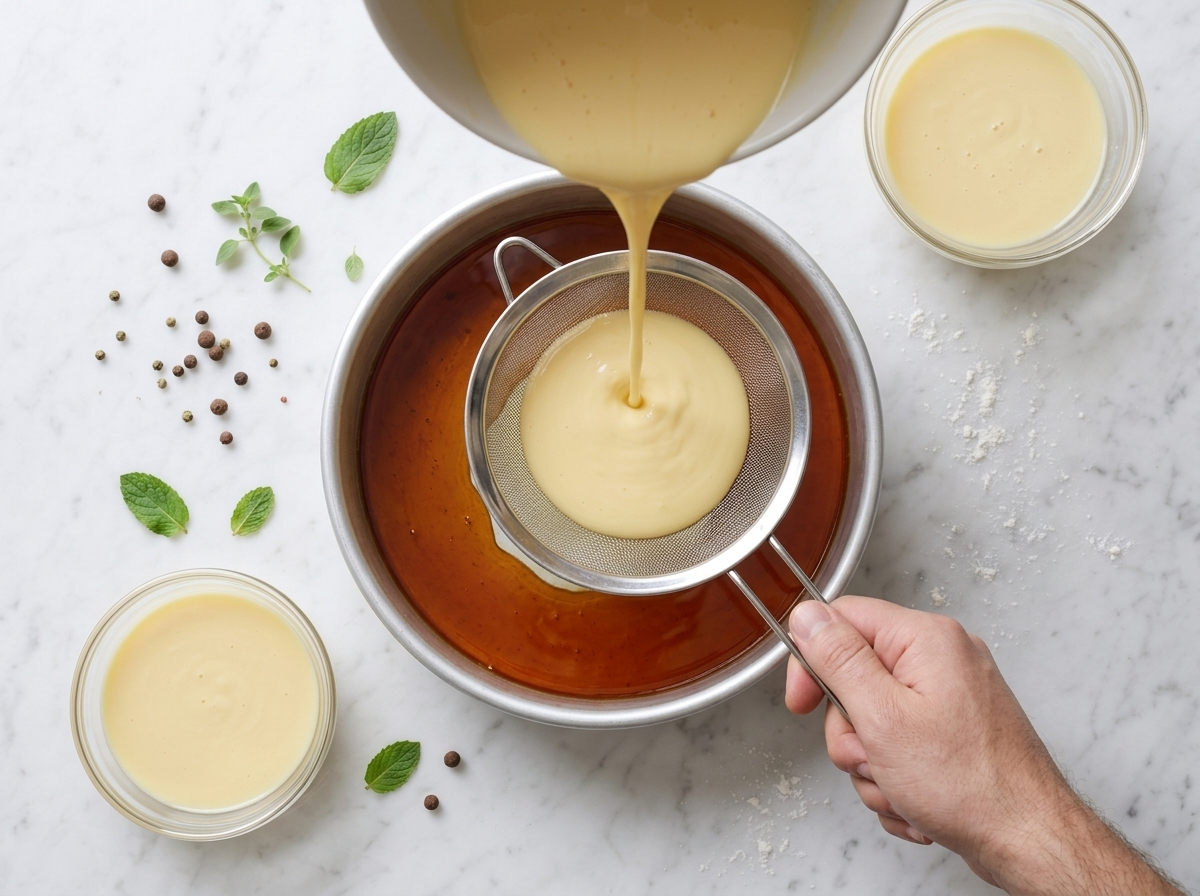
- Pour the mixture through a fine-mesh sieve into the caramel-lined mold to catch any foam or bits of egg white.
- Set the mold inside a 33 x 23 cm / 13 x 9-inch roasting pan. Pour boiling water into the roasting pan until it reaches halfway up the sides of the mold.
- Cover the mold loosely with foil and bake for 50 to 60 minutes, until the edges are set but the center still jiggles slightly. An instant-read thermometer inserted in the center should read 170 F / 77 C.
- Lift the mold out of the water bath and let it cool to room temperature on the counter, about 1 hour.
- Cover and refrigerate at least 4 hours, ideally overnight, until fully chilled and firm.
- Run a thin knife around the edge of the mold, set a rimmed serving plate on top, and invert quickly. The caramel sauce will pool around the quesillo. Slice and serve chilled.
Notes
- Watch the caramel closely in the last minute, it can go from amber to burnt in seconds
- Don't skip straining the custard, it's what keeps the texture smooth
- Bake until the center jiggles slightly but the edges are set, not until fully firm
- Chill overnight when possible for the cleanest unmold and best flavor
Tips for Success
- Swirl the caramel pan gently, don’t stir it, or the sugar will seize into hard clumps.
- Strain the egg mixture through a fine-mesh sieve to catch foam and stray bits of egg white.
- Fill the water bath halfway up the mold’s sides so the custard bakes evenly without curdling at the edges.
- Chill the quesillo at least 4 hours, ideally overnight, so it firms up enough to unmold cleanly.
- Run a thin knife around the edge before flipping, and invert onto a rimmed plate to catch the caramel.
Variations
- Add 115 g softened cream cheese to the blender for a denser, tangier quesillo de queso crema.
- Swap 2 tbsp of the milk for dark rum or coffee liqueur for a boozier, adult version.
- Bake in 6 to 8 individual ramekins instead of one mold and cut the bake time to 30 to 35 minutes.
Storage and Reheating
Quesillo is served cold or at room temperature, so there’s no reheating step involved. Cover the mold or a cut portion tightly and keep it in the fridge for 4 to 5 days.
Freezing isn’t recommended. The caramel separates from the custard once thawed and the texture turns watery and grainy instead of smooth.
If you want to prep ahead for a gathering, quesillo actually improves after a day in the fridge, so making it 1 to 2 days early is the better move anyway.
Serving Suggestions
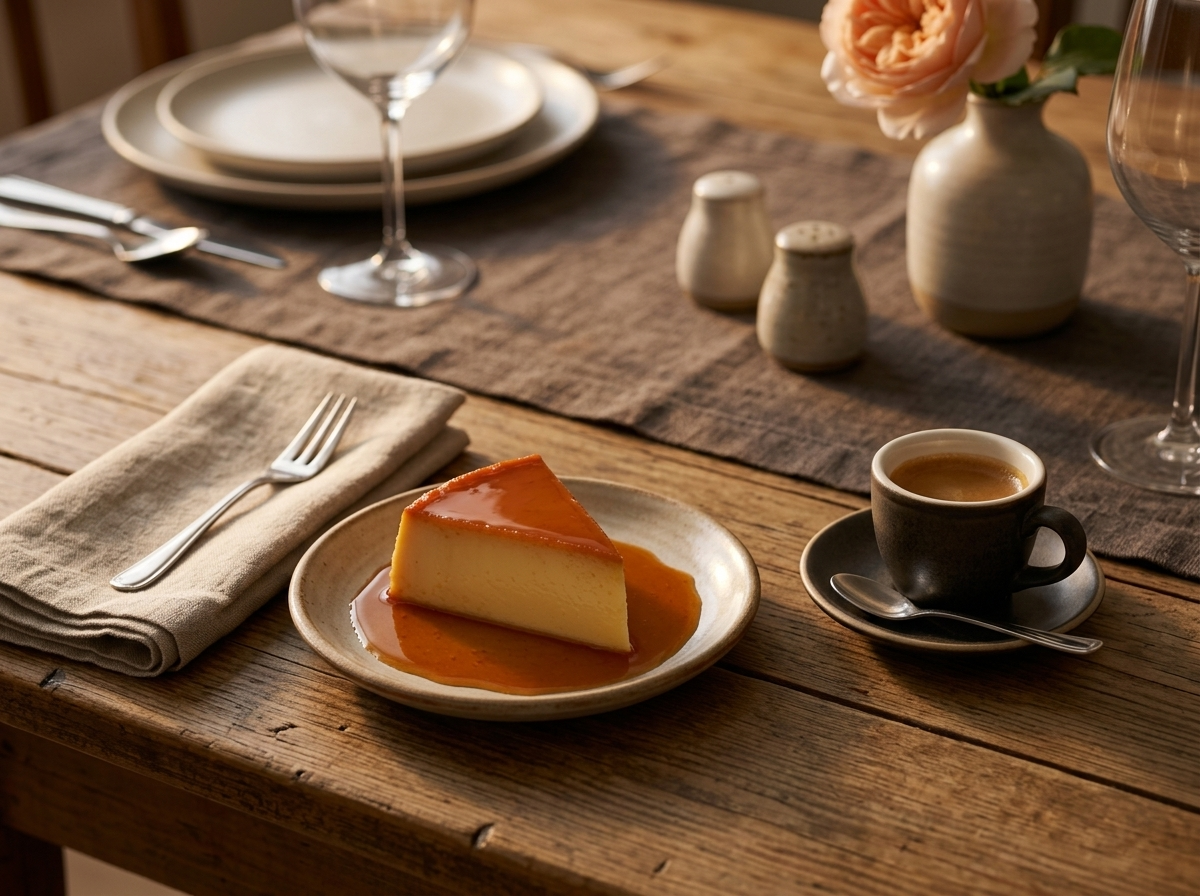
Quesillo is rich, so a thin slice with strong black coffee or espresso is the classic pairing in Venezuela. The bitterness cuts through the sweetness of the caramel.
Fresh fruit works well alongside it too. Pineapple, mango or a handful of berries add acidity that balances the dense custard.
For a party, slice it thin and plate it with extra caramel spooned over each piece rather than serving one big wedge.
FAQ
Why does my quesillo have holes or bubbles in it?
Holes usually come from over-blending the eggs and milk, which whips air into the mixture that turns into bubbles when baked. Blend just until smooth, strain through a fine-mesh sieve before pouring, and bake in a water bath at 175 C / 350 F so the heat stays gentle and even.
Can I use whole milk instead of evaporated milk in quesillo?
You can, but the custard will set softer and less dense since evaporated milk is concentrated and gives quesillo its thick texture. If you swap in whole milk, expect a slightly looser slice that’s closer to a standard flan.
How long does quesillo last in the fridge, and can I freeze it?
It keeps well covered in the fridge for 4 to 5 days and actually tastes better after a day of chilling. Freezing isn’t a good idea here, the caramel separates and the custard turns watery once thawed, so plan to make it fresh within that window instead.
What goes well with Venezuelan quesillo?
Strong black coffee or espresso is the classic match, since the bitterness balances the sweet caramel. Fresh pineapple or mango on the side adds acidity that keeps each bite from feeling too rich.
What’s the difference between quesillo and flan?
Quesillo uses more eggs relative to milk and is usually blended rather than whisked, which gives it a denser, less jiggly texture than a classic French-style flan. Flan tends to be lighter and creamier with a softer set.
Is Venezuelan quesillo gluten-free?
Yes, quesillo is naturally gluten-free since it’s built from eggs, condensed milk, evaporated milk and sugar with no flour involved. Just check that any garnishes you add, like cookie crumbles, are gluten-free too if that matters for your table.
Loved this? Try these next
- Classic Zuppa Inglese with Vanilla-Chocolate Custard
- Classic Eve’s Pudding with Baked Apple Sponge
- our Far Breton: Brittany’s Classic Prune Custard Cake
- Torta della Nonna: Baked Custard Tart with Pine Nuts
