
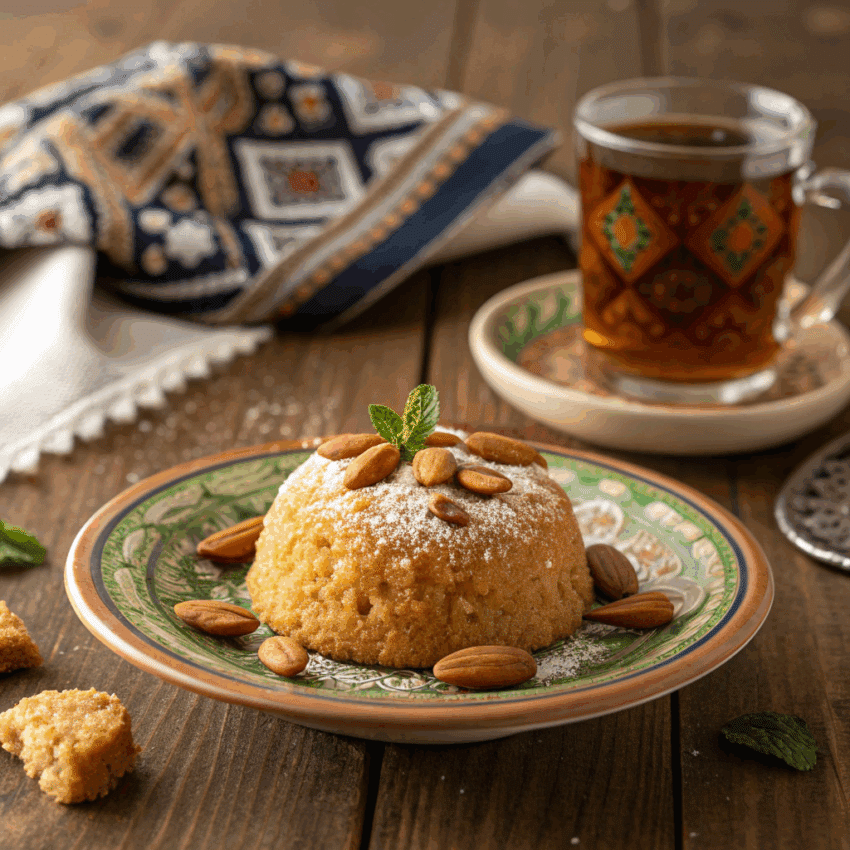
If you’ve ever explored Moroccan desserts, you might have stumbled upon sellou, also called sfouf in some regions. This roasted flour sweet is deeply rooted in Moroccan tradition. It’s earthy, nutty, and lightly spiced. Think of it as the ultimate comfort snack—perfect with tea or coffee, or as a treat during Ramadan. Today, I’ll show you how to make Moroccan sellou roasted flour sweet right in your kitchen, without any fuss.
What is Moroccan Sellou?
Sellou is a classic Moroccan dessert that’s simple yet satisfying. Unlike sugary pastries or syrup-soaked treats, sellou focuses on roasted flour, almonds, sesame seeds, and a hint of spice. It’s dry but flavorful, with a crumbly texture that melts in your mouth. Traditionally, Moroccan families prepare sellou for special occasions, particularly during Ramadan or weddings. It’s energy-rich, which made it a popular choice for long fasting days.
Some people compare it to a nutty granola in texture, but it’s far more decadent and fragrant. The magic lies in roasting the flour and almonds until golden, which gives the dessert its signature toasty aroma.
Ingredients You’ll Need
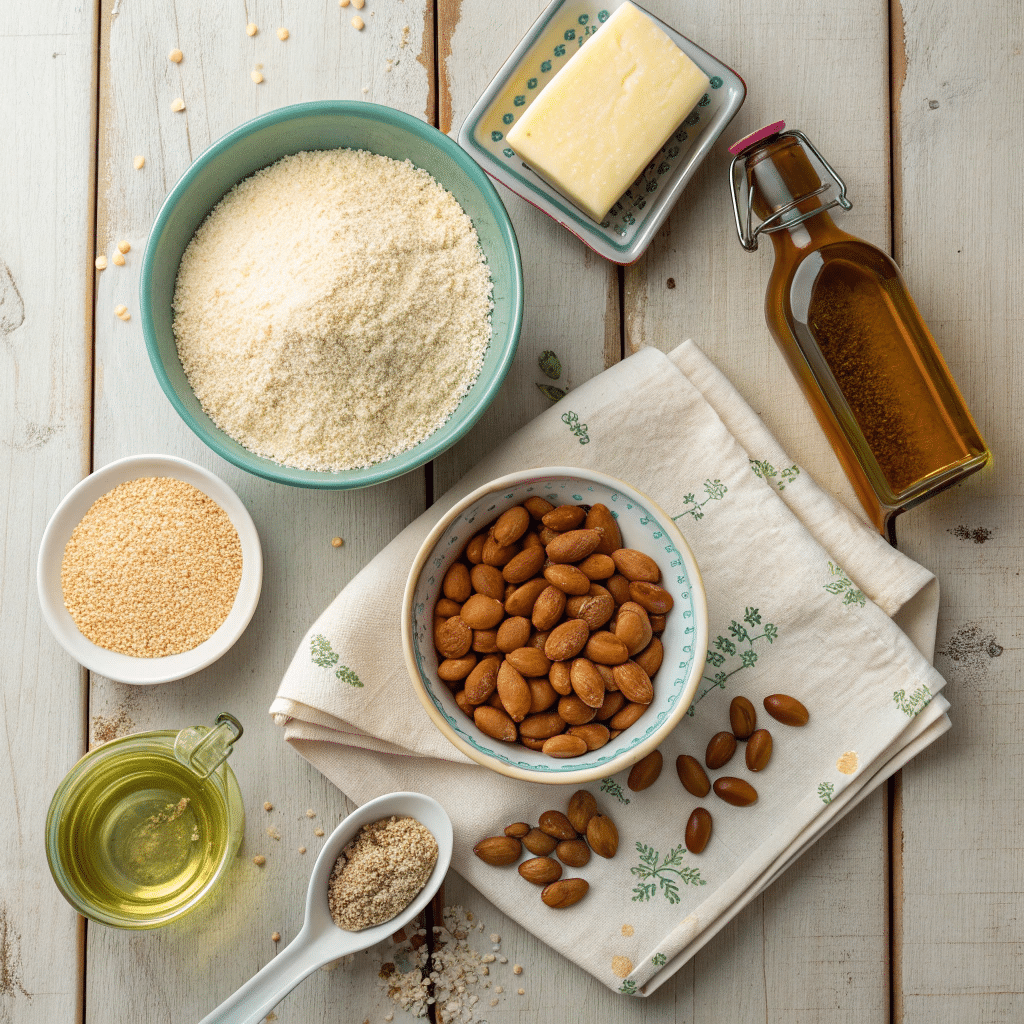
For this recipe, you don’t need exotic ingredients. Most of them are easy to find in specialty stores or online.
Dry Ingredients:
- 2 cups all-purpose flour
- 1 cup roasted almonds, roughly chopped
- ½ cup sesame seeds, lightly toasted
- ½ cup powdered sugar
- 1 tsp ground cinnamon
- ¼ tsp ground anise or fennel (optional, for traditional flavor)
Wet Ingredients:
- ½ cup unsalted butter, melted
- 2 tbsp vegetable oil or argan oil
That’s it! Simple, straightforward, and packed with flavor.
Step-by-Step Instructions
1. Roast the Flour
Start by roasting the flour in a large, dry skillet over medium-low heat. Stir continuously to prevent burning. You’ll notice the flour turning a light golden color and releasing a warm, nutty aroma. This step is crucial—it builds the foundation for the rich flavor of sellou.
2. Toast the Almonds and Sesame Seeds
In a separate pan, lightly toast the almonds and sesame seeds. Almonds should turn golden brown, and sesame seeds should smell fragrant. The combination of toasted flour and nuts creates a layered, deep flavor.
3. Mix the Dry Ingredients
Once roasted, combine the flour, almonds, sesame seeds, powdered sugar, cinnamon, and optional anise. Stir gently so everything blends evenly. You’ll see the mixture taking on a sandy, crumbly texture—perfect for forming sellou later.
4. Add Butter and Oil
Pour in the melted butter and oil gradually. Use a spoon or your hands to mix thoroughly. The mixture should hold together slightly but remain crumbly. This is what gives sellou its characteristic texture: dry yet rich, nutty, and lightly sweet.
5. Shape the Sellou
Traditionally, sellou is molded into pyramids or small mounds. You can use a cup or mold for a clean finish, or simply shape it by hand. Place it on a plate or tray and press gently to form compact shapes. Let it sit at room temperature for a few hours so the flavors meld together.
6. Serve and Enjoy
Sellou is perfect with a cup of Moroccan mint tea or strong coffee. Its rich flavor and nutty aroma make it irresistible. You can store it in an airtight container for up to two weeks. It’s an ideal make-ahead dessert for gatherings or Ramadan celebrations.
Tips for the Perfect Moroccan Sellou
- Roast Slowly: Don’t rush the flour or almonds. Slow roasting enhances flavor.
- Customize Spices: Add a pinch of nutmeg or ginger for warmth.
- Texture Matters: You want a crumbly texture, not a paste. Avoid adding too much oil.
- Sweetness Level: Adjust powdered sugar to taste. Traditional sellou isn’t overly sweet.
Why Sellou is a Must-Try Moroccan Dessert
Sellou is more than a sweet treat—it’s a glimpse into Moroccan culinary culture. Unlike typical pastries or desserts, it emphasizes natural flavors from nuts, seeds, and lightly toasted flour. Its crumbly texture surprises many at first, but it’s deeply satisfying. Plus, it’s versatile—you can enjoy it as a snack, a dessert, or a thoughtful gift for friends and family.
For home bakers, sellou is a low-maintenance Moroccan dessert that doesn’t require baking in the oven, frosting, or elaborate decoration. Once you get the roasting right, the rest is effortless.
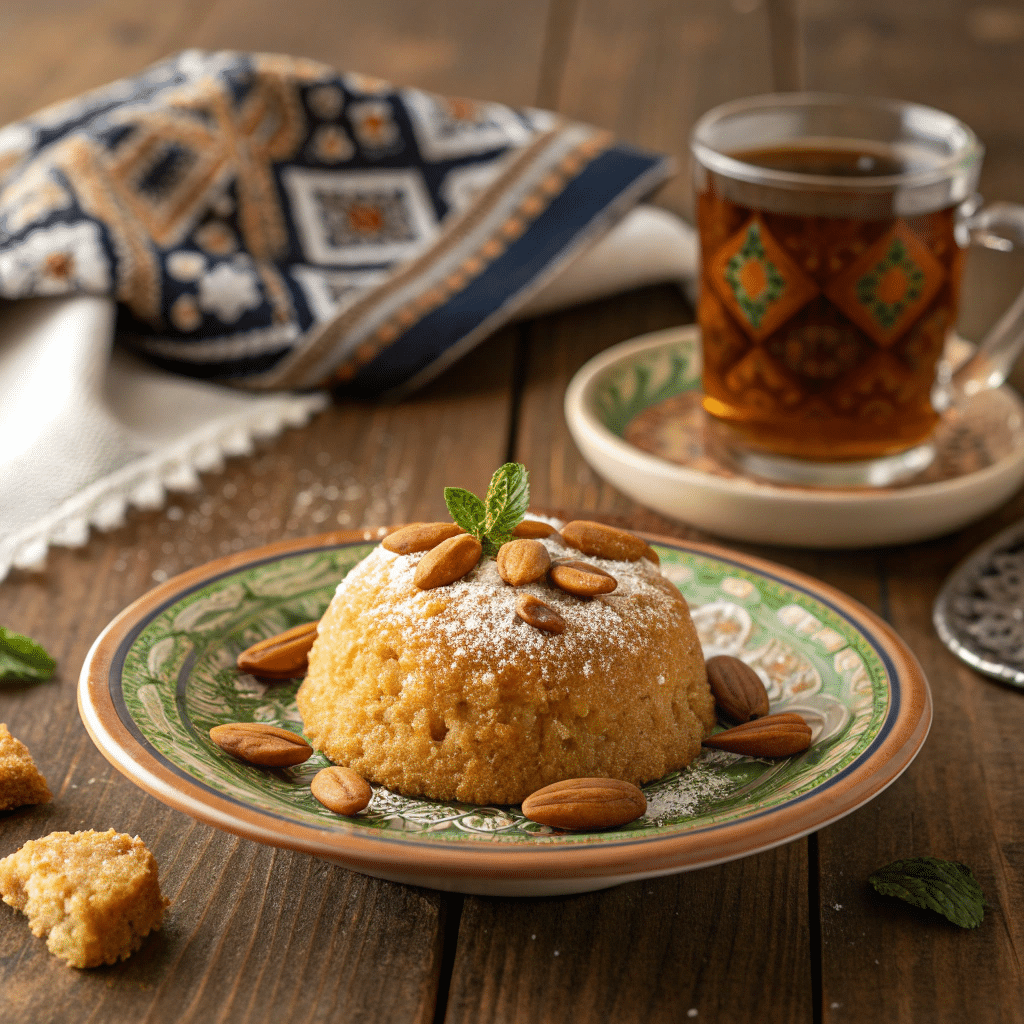
Moroccan Sellou (Roasted Flour Sweet)
Ingredients
Method
- Roast the Flour: Heat a large dry skillet over medium-low heat. Add flour and stir continuously until it turns golden and releases a nutty aroma. Remove from heat and let cool slightly.
- Toast Almonds and Sesame Seeds: In a separate pan, toast almonds until golden. Toast sesame seeds lightly. Remove from heat and cool.
- Mix Dry Ingredients: Combine roasted flour, almonds, sesame seeds, powdered sugar, cinnamon, and optional anise in a large bowl. Stir until evenly mixed.
- Add Butter and Oil: Gradually pour in melted butter and oil. Mix with a spoon or your hands until the mixture holds together slightly but remains crumbly.
- Shape Sellou: Mold the mixture into small mounds or pyramids on a plate. Press gently to compact.
- Serve: Enjoy with tea or coffee. Store in an airtight container at room temperature for up to two weeks.
Notes
- Roast the flour slowly to avoid a burnt taste.
- You can replace almonds with walnuts or pistachios, but almonds are traditional.
- Keep the texture crumbly; don’t add too much oil.
- Great for Ramadan or as a snack with tea.
- Optional: add a pinch of nutmeg or ginger for extra warmth.
Frequently Asked Questions
Q: Can I use other nuts besides almonds?
A: Absolutely. Walnuts or pistachios work well, though almonds give the most traditional flavor.
Q: Is sellou gluten-free?
A: Traditional sellou uses wheat flour, so it’s not gluten-free. You can experiment with almond flour for a gluten-free version, but it will change the texture slightly.
Q: How long does sellou keep?
A: Store in an airtight container at room temperature for up to two weeks. It may harden slightly, so gently break it apart before serving.
Q: Can I make sellou vegan?
A: Yes. Use coconut oil or vegan butter instead of dairy butter.
Q: When is sellou typically eaten?
A: Sellou is popular during Ramadan, weddings, and other celebrations. It’s also a great snack with tea or coffee.
