
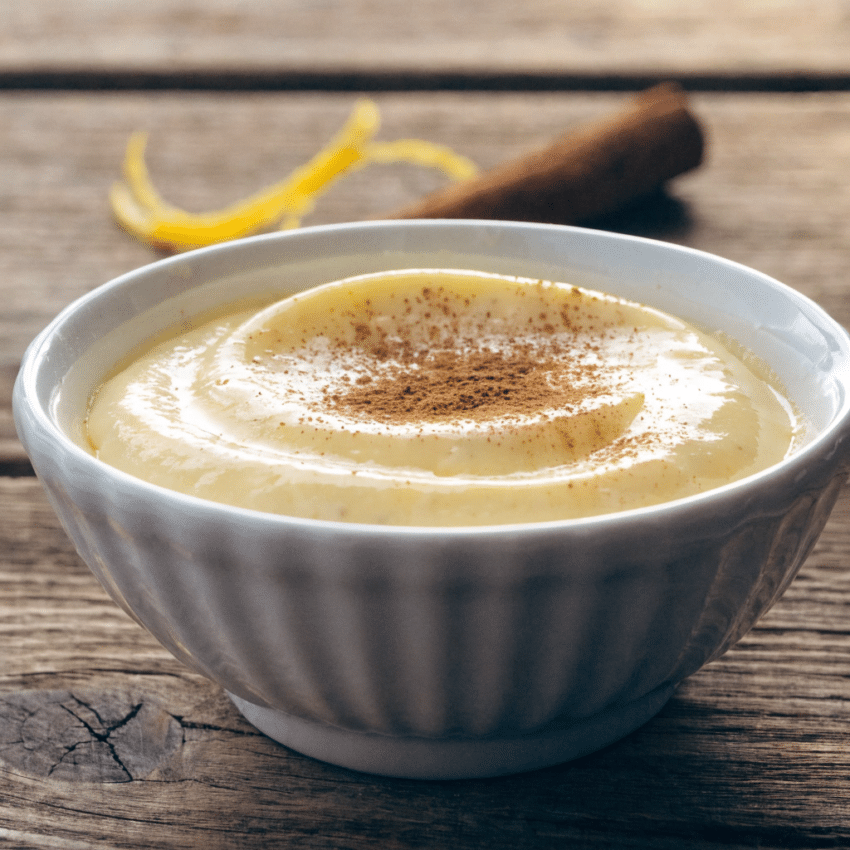
If you’ve ever tasted a dessert that feels like a warm hug, then Spanish natillas are exactly that. Soft, creamy, and delicately flavored with vanilla and a touch of cinnamon, this Spanish custard dessert is comfort on a plate. Today, I’m going to guide you through making a classic Spanish natillas custard recipe that’s perfect for sharing—or keeping all to yourself.
What Are Spanish Natillas?
Natillas are a traditional Spanish dessert, similar to custard or pudding. They are smooth, creamy, and lightly sweet, usually served chilled with a sprinkle of cinnamon on top. Think of it as a Spanish cousin to Cuban natilla or Mexican custard desserts—but with its own gentle, comforting flavor.
In Spain, natillas are often enjoyed during holidays or family gatherings. They’re simple, homey, and incredibly satisfying. Unlike baked custards like crème brûlée or Crema Catalana, natillas are cooked on the stovetop, making them quick to prepare without fancy equipment.
Ingredients You’ll Need
For this recipe, I stick to classic, straightforward ingredients. You probably already have most of them in your kitchen:
- 4 large egg yolks
- 500 ml whole milk
- 100 g granulated sugar
- 1 vanilla bean (or 1 tsp vanilla extract)
- 1 cinnamon stick
- Ground cinnamon for garnish
- Lemon zest (optional, for a subtle citrus note)
This recipe also works well if you want to experiment with Cuban natilla recipes or Mexican pudding variations. The base is simple, but the flavors are timeless.
Step-by-Step Spanish Custard Recipe
Making natillas is easier than you might think. Follow these steps, and you’ll have a silky custard in no time.
1. Heat the Milk
Pour the milk into a medium saucepan. Add the cinnamon stick and split vanilla bean (if using) or vanilla extract. Warm the milk over medium heat until it’s steaming, but don’t let it boil. If you prefer, you can add a strip of lemon zest here for a subtle twist.
2. Whisk Egg Yolks and Sugar
While the milk heats, whisk together egg yolks and sugar in a bowl until pale and smooth. This step is essential—it helps create a creamy, lump-free custard.
3. Temper the Eggs
To prevent scrambled eggs in your custard, slowly pour about half of the warm milk into the egg mixture, whisking constantly. This warms the eggs gradually. Then, pour the mixture back into the saucepan with the remaining milk.
4. Cook the Custard
Lower the heat and cook gently, stirring constantly with a wooden spoon or heatproof spatula. The mixture will start to thicken after a few minutes. Look for the point where it coats the back of the spoon. This is your perfect custard consistency.
5. Strain and Chill
Remove from heat. Strain the custard through a fine mesh sieve to remove any lumps and the cinnamon stick (and vanilla pod if used). Pour into individual serving dishes and let cool to room temperature. Then refrigerate for at least 2 hours.
6. Garnish and Serve
Before serving, sprinkle each dish with ground cinnamon. You can also add a few thin strips of lemon zest or a cookie on the side for extra charm.
Tips for the Best Spanish Custard Dessert
- Use whole milk: Skim or low-fat milk won’t give the same richness.
- Constant stirring: Prevents lumps and ensures a silky texture.
- Patience is key: Don’t rush the cooling process—chilling makes the flavor settle beautifully.
- Experiment with flavors: Cuban natilla recipes sometimes include a pinch of nutmeg or a dash of rum.
Variations: Cuban, Mexican, and Puerto Rican Twists
While this recipe stays true to traditional Spanish custard, you can easily adapt it:
- Cuban Natilla: Add a small pinch of salt and a touch of lime zest for a slightly tangy twist.
- Mexican Custard Desserts: Swap vanilla for Mexican vanilla extract and sprinkle cinnamon generously.
- Puerto Rican Custard: Mix in coconut milk with regular milk for a tropical flavor.
These variations show how natillas transcend borders, appearing in Cuban, Mexican, and Puerto Rican kitchens with small but delightful tweaks.
Common Mistakes to Avoid
- Overheating the custard: Too high heat can curdle the eggs. Keep it low and stir often.
- Skipping the straining: A fine mesh sieve ensures your custard is perfectly smooth.
- Ignoring the chill: Serving too soon can result in a runny texture. Patience pays off.
Serving Suggestions
Natillas are versatile. Serve them in small ramekins, topped with cinnamon or crushed cookies. They also make a lovely filling for Spanish custard tarts or as a sweet breakfast custard on weekends. Pairing them with fresh berries or a drizzle of caramel can elevate the experience.
Whether you’re exploring Spanish desserts, Cuban desserts, or Puerto Rican custard, this recipe offers a reliable, comforting base. I often find that making natillas reminds me of my first taste of Cuban natilla dessert—simple ingredients transforming into something magical.
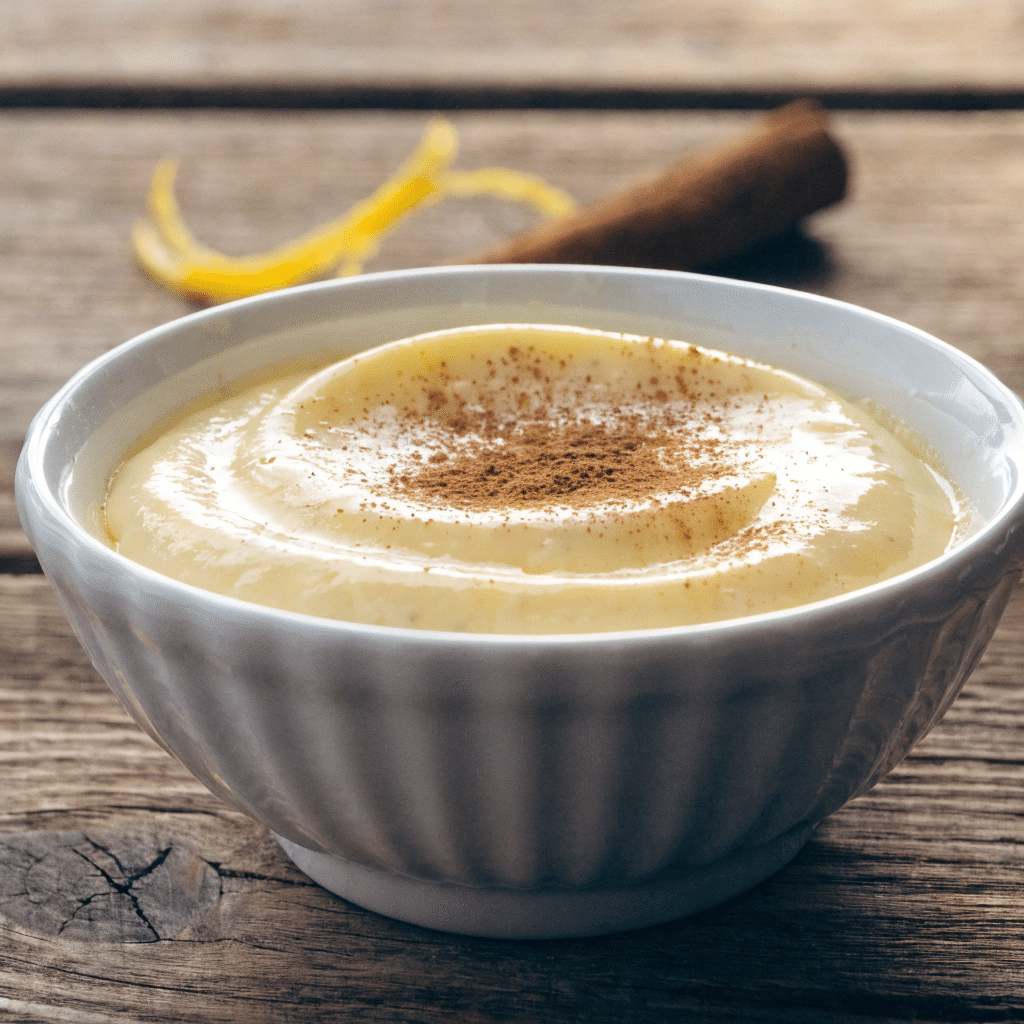
Spanish Natillas Custard Recipe
Ingredients
Method
- Pour the milk into a saucepan. Add the cinnamon stick and vanilla bean (split) or vanilla extract. Heat gently until steaming, but don’t let it boil. Add lemon zest if using.
- In a bowl, whisk the egg yolks and sugar together until smooth and pale.
- Slowly pour half of the warm milk into the egg mixture while whisking constantly. Then, pour this mixture back into the saucepan with the remaining milk.
- Stir constantly over low heat until the custard thickens and coats the back of a spoon.
- Remove from heat. Strain the custard through a fine mesh sieve into individual ramekins. Let cool to room temperature, then refrigerate for at least 2 hours.
- Sprinkle ground cinnamon on top before serving. Optionally, add thin lemon zest strips for garnish.
Notes
- Use whole milk for the best creamy texture.
- Stir constantly to avoid lumps.
- Chilling is essential to get the perfect custard set.
- This recipe works well for small gatherings or as a light dessert after meals.
FAQs About Spanish Natillas Custard
Q: Can I make natillas without eggs?
A: Traditional recipes require eggs for that creamy texture. Egg-free versions use cornstarch but will be slightly different in flavor and consistency.
Q: How long can I store natillas?
A: Keep refrigerated in an airtight container for up to 3 days. Freshness is key; the flavor is best on day 1 or 2.
Q: Can I bake natillas instead of stovetop cooking?
A: Yes, but traditional Spanish custard is stovetop-based. Baking changes the texture and produces a thicker custard. Crema Catalana is closer to a baked variant.
Q: Can I prepare natillas in advance for a party?
A: Absolutely! They can be made a day ahead and chilled. Garnish with cinnamon just before serving.
Q: What’s the difference between natillas and crema catalana?
A: Natillas are cooked custard, typically served chilled with cinnamon. Crema Catalana is similar but usually has a caramelized sugar top, like a Spanish crème brûlée.
Final Thoughts
Spanish natillas are simple, yet full of charm. From a cozy breakfast treat to a light dessert after dinner, this Spanish custard dessert brings comfort and flavor in every spoonful.
Try it today and explore variations—whether Cuban, Mexican, or Puerto Rican—you’ll find that natillas is more than a dessert. It’s a little piece of happiness in a dish.
