

If you grew up loving French toast, Portuguese rabanadas will feel like meeting its richer, cinnamon-soaked cousin. This Portuguese rabanadas recipe cinnamon toast dessert is crisp on the outside, custardy inside, and drenched in warmth. Think comfort food with an accent.
Rabanadas are a staple in Portuguese desserts, especially around Christmas, but honestly? I make them whenever stale bread is staring at me from the counter. Waste not. Fry sweetly.
This recipe is simple, honest, and deeply satisfying. No fancy tricks. Just good ingredients and a little patience.
What Are Rabanadas?
Rabanadas are Portuguese fried bread, often compared to French toast. But don’t be fooled. This isn’t a copy. It’s a classic traditional Portuguese treat with its own rhythm.
Bread gets soaked in warm milk, dipped in egg, fried until golden, then rolled in cinnamon sugar. Sometimes syrup is poured on top. Sometimes not. Every family does it their way.
In Portugal, rabanadas show up at breakfast tables, holiday spreads, and late-night snack moments. They also crossed the ocean. You’ll find versions across Brazilian food culture too.
Why This Portuguese Breakfast Recipe Works
Some recipes overcomplicate things. This one doesn’t.
- Uses pantry staples
- Works with day-old bread
- Crispy edges, soft center
- Sweet but not cloying
- Ready in under 30 minutes
It fits breakfast. It fits brunch. It fits dessert. That’s rare.
If you’re building a list of Portuguese breakfast recipes or Portuguese brunch ideas, save this one.
Ingredients You’ll Need
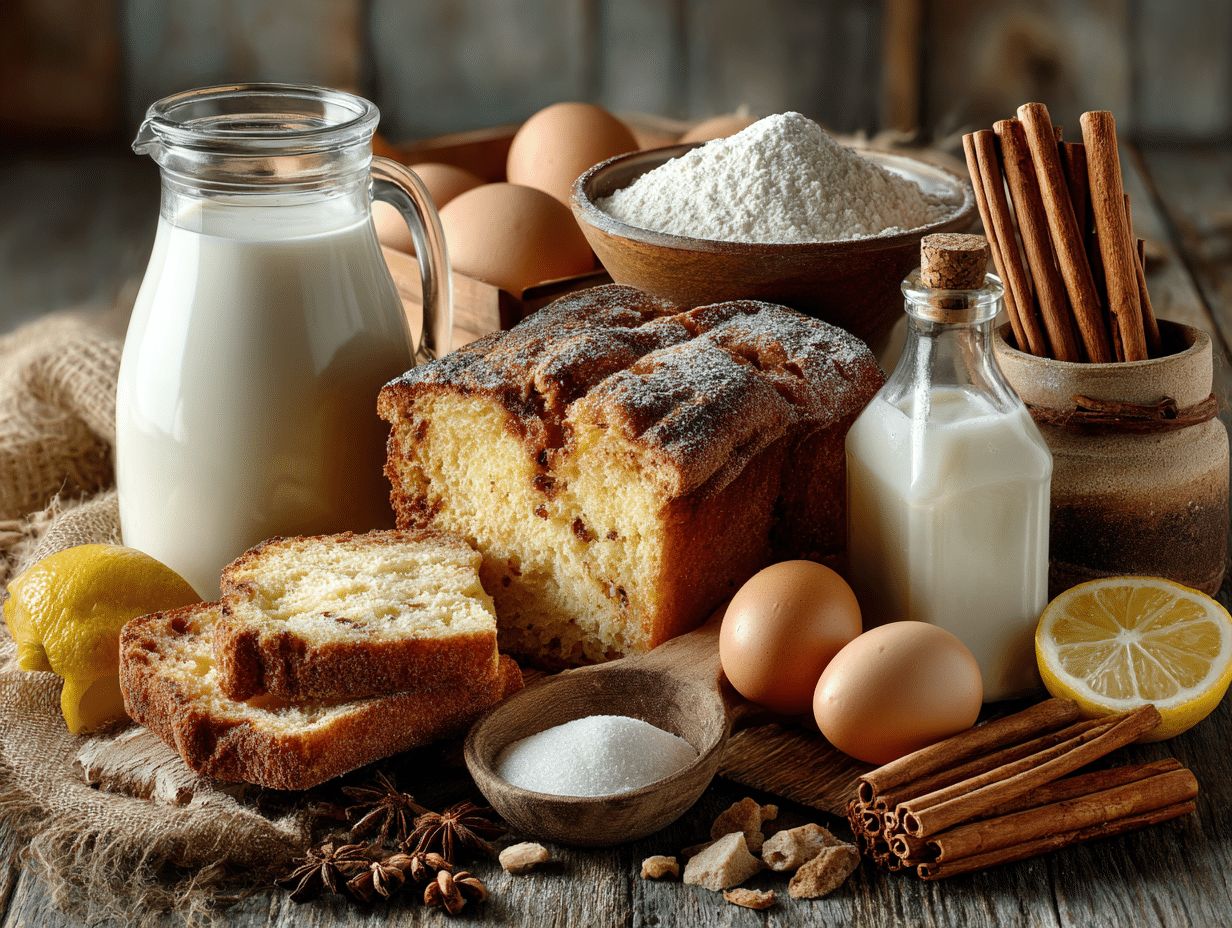
This recipe sticks close to tradition while staying flexible.
Bread
- 6 thick slices of Portuguese sweet bread, brioche, or challah
Day-old bread is best. Fresh bread drinks too much milk and collapses.
Milk Mixture
- 1½ cups whole milk
- 2 tablespoons sugar
- 1 cinnamon stick
- 1 strip lemon peel (optional, but lovely)
Egg Coating
- 2 large eggs
For Frying
- Neutral oil (vegetable or sunflower)
Cinnamon Sugar
- ½ cup sugar
- 1 teaspoon ground cinnamon
Optional toppings:
- Honey
- Maple syrup
- Port wine syrup
- Powdered sugar
How to Make Portuguese Rabanadas (Step-by-Step)
1. Warm the Milk
Add milk, sugar, cinnamon stick, and lemon peel to a saucepan. Heat gently. Don’t boil. You want it warm and fragrant.
Remove from heat. Let it sit for five minutes. Discard cinnamon and peel.
2. Soak the Bread
Place bread slices in a shallow dish. Pour warm milk over them.
Let them soak for about 20 seconds per side. Not longer. You want soft, not soggy.
3. Dip in Egg
Beat eggs in another dish. Carefully lift each slice and dip it into the egg.
Move slowly. Rabanadas are tender at this stage.
4. Fry Until Golden
Heat oil in a wide pan over medium heat.
Fry slices until golden on each side. About 2 minutes per side. Don’t crowd the pan.
Transfer to paper towels.
5. Cinnamon Sugar Finish
Mix sugar and cinnamon in a bowl. Roll warm rabanadas in the mixture.
Serve right away.
That’s it.
Texture Check: What You’re Looking For
Good rabanadas have contrast.
- Outside: crisp, caramelized
- Inside: soft, custard-like
- Flavor: cinnamon forward, gently sweet
If they’re greasy, the oil was too cool.
If they fall apart, the bread soaked too long.
You’ll get it by the second slice.
Rabanadas vs French Toast
Yes, they’re cousins. But there are differences worth knowing.
Portuguese French Toast (Rabanadas):
- Milk infused with cinnamon
- Fried in oil, not butter
- Rolled in cinnamon sugar
- Often served at Christmas
Classic French Toast:
- Milk and egg mixed together
- Cooked in butter
- Usually topped, not coated
Both are good. One wears more cinnamon.
When to Serve Rabanadas
This recipe fits more moments than you’d expect.
- Traditional Portuguese breakfast
- Cozy weekend brunch
- Afternoon snack with coffee
- Holiday dessert table
- Simple Christmas dessert
In Portugal, they’re especially popular during December. Plates pile up fast. No one complains.
Make It Your Way (Without Ruining It)
Traditional doesn’t mean rigid.
Try these small changes if you want variety:
- Use oat milk for a lighter bite
- Add orange peel instead of lemon
- Drizzle with honey instead of sugar
- Sprinkle crushed nuts on top
Just don’t drown them. Rabanadas like restraint.
Storage & Reheating Tips
Fresh is best. Always.
If needed:
- Store leftovers in the fridge up to 2 days
- Reheat in a skillet or oven
- Avoid the microwave unless you like soggy bread
I usually don’t have leftovers.
Why Rabanadas Belong in Your Recipe Box
This dish checks many boxes.
- Comforting
- Budget-friendly
- Crowd-pleasing
- Rooted in tradition
It’s one of those traditional Portuguese snack recipes that never tries too hard. It just works.
If you enjoy Portuguese pancakes, Portuguese breakfast pastries, or sweet bread recipes, this one belongs on repeat.

Portuguese Rabanadas (Cinnamon Fried Sweet Bread)
Ingredients
Method
- Pour the milk into a small saucepan. Add sugar, cinnamon stick, and lemon peel.
- Heat on low until warm and fragrant. Do not boil. Turn off heat and remove cinnamon and peel.
- Place bread slices in a shallow dish. Pour warm milk over them.
- Let each slice soak about 20 seconds per side. The bread should be soft but not falling apart.
- Beat the eggs in another bowl.
- Carefully dip each soaked bread slice into the egg, coating both sides.
- Heat oil in a wide pan over medium heat.
- Fry the bread until golden, about 2 minutes per side.
- Remove and place on paper towels to drain.
- Mix sugar and cinnamon in a bowl.
- Roll the warm rabanadas in the cinnamon sugar.
- Serve warm. Add honey or syrup if you like.
Notes
- Slightly stale bread works better than fresh bread.
- Keep the oil at medium heat. Too hot will burn the outside fast.
- These taste best fresh. Reheat in a pan or oven if needed.
- This recipe is often made during Christmas but works year-round.
FAQ: Portuguese Rabanadas
Are rabanadas Portuguese or Brazilian?
They’re Portuguese by origin. Brazil embraced them and made them popular there too, especially during Christmas.
What bread works best?
Portuguese sweet bread is classic. Brioche or challah work well. Avoid thin sandwich bread.
Can I bake rabanadas instead of frying?
You can, but the texture changes. Frying gives the proper crisp edge that defines this dessert.
Are rabanadas served hot or cold?
Warm is best. Room temperature works too. Cold isn’t ideal.
Is this a dessert or breakfast?
Both. That’s the magic.
Can I make them ahead?
You can prep the milk mixture ahead, but fry just before serving for the best result.
Final Thoughts from My Kitchen
This Portuguese rabanadas recipe cinnamon toast dessert is one of those recipes that feels like a hug. No drama. No fuss. Just bread, cinnamon, and warmth.
If you make it once, you’ll make it again. That’s how these things go.
If you do try it, make extra. Someone will wander into the kitchen. They always do.
