
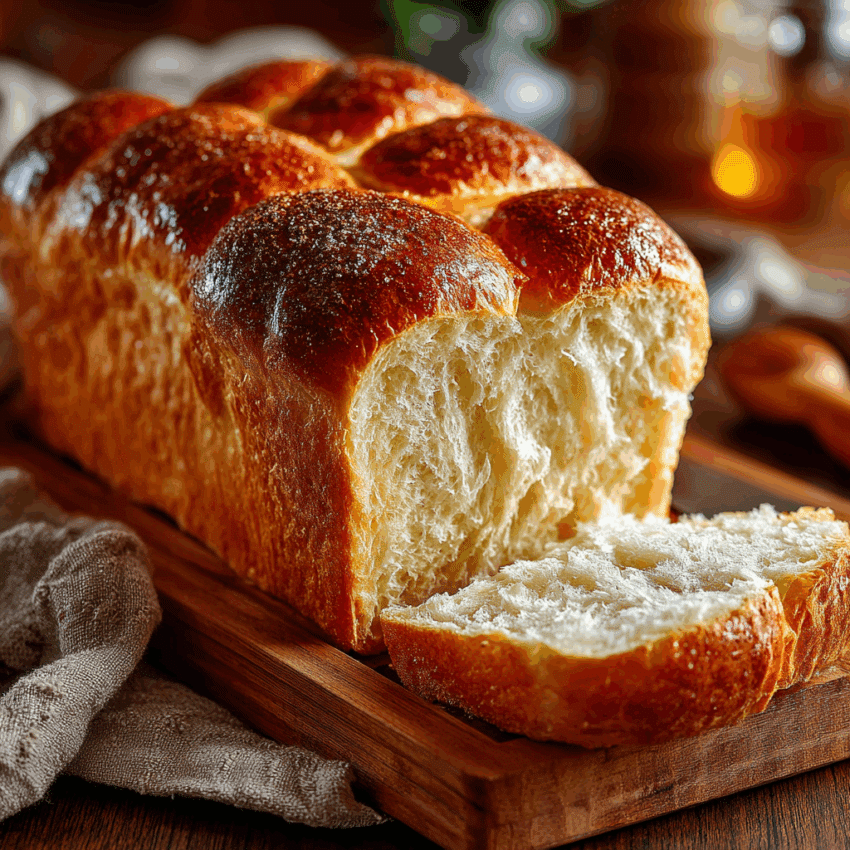
If you’ve ever bitten into a slice of Japanese milk bread, also known as shokupan, you know it’s something special. The texture is unlike any other bread: pillowy, soft, and slightly sweet, with a golden crust that’s delicate, not crunchy. Whether you’re making sandwiches, toast, or just enjoying it plain, this bread feels like a hug in loaf form.
I’ve tried many bread recipes over the years, but shokupan holds a special place in my kitchen. It’s forgiving for beginners and rewarding for seasoned bakers. In this article, I’ll share a foolproof Japanese milk bread recipe that you can easily make at home.
Ingredients for Shokupan Bread

Here’s what you’ll need to make your own fluffy milk bread:
- 3 ½ cups (450g) bread flour
- ¼ cup (50g) sugar
- 2 tsp instant yeast
- 1 tsp salt
- ½ cup (120ml) whole milk, lukewarm
- 1 large egg
- ¼ cup (60g) unsalted butter, softened
Optional: a splash of heavy cream for extra richness
How to Make Japanese Milk Bread
Step 1: Mix the Dough
In a large bowl, combine bread flour, sugar, salt, and yeast. Make sure the salt and yeast don’t touch directly. Add lukewarm milk and egg, then mix until a rough dough forms.
Step 2: Knead the Dough
Transfer the dough to a floured surface. Knead for about 10 minutes until smooth and elastic. Add softened butter gradually. You’ll notice the dough becomes shinier and softer as you work it.
Pro tip: If you’ve never kneaded bread before, imagine folding and pushing it like you’re giving it a gentle massage. It helps relax the gluten.
Step 3: First Rise
Place the dough in a lightly oiled bowl. Cover it with a damp cloth and let it rise in a warm place for 1–2 hours, or until doubled in size. This is where the magic happens. You’ll see the dough puff up slowly, almost like it’s breathing.
Step 4: Shape the Loaf
Once risen, punch down the dough gently to release air. Divide into three equal portions. Roll each piece into a smooth log, then place side by side in a greased bread tin.
Step 5: Second Rise
Cover the tin with a cloth and let the dough rise for another 45–60 minutes. It should fill the tin and look soft and puffy.
Step 6: Bake the Shokupan
Preheat your oven to 350°F (175°C). Bake for 25–30 minutes until golden brown. Tap the bottom of the loaf; it should sound hollow. Remove from tin and cool on a wire rack.
Why Shokupan Bread Is So Special
Unlike regular sandwich bread, Japanese milk bread has a tender, slightly sweet crumb. The trick is using a technique called the tangzhong method, where a portion of flour is cooked with water or milk before mixing into the dough. This makes the bread extra moist and soft for days.
If you’re aiming for a milk bread aesthetic, this bread checks all the boxes. Even plain slices look elegant on a breakfast tray.
Serving Suggestions
- Classic toast: Spread butter and drizzle honey.
- Sandwiches: Works beautifully with egg salad, ham, or peanut butter.
- French toast: Thick slices soak up custard without falling apart.
- Dessert toast: Top with fresh berries and cream for a café-style treat.
Variations of Japanese Milk Bread
One of the joys of baking shokupan bread is how versatile it is. Once you master the basic recipe, you can experiment with flavors and styles.
Hokkaido Milk Bread
Hokkaido milk bread is slightly richer and creamier than standard shokupan. The secret is a higher ratio of milk and butter. It’s perfect for toast or decadent sandwiches.
Square Toast Loaves
While round or oval loaves are common, the square Japanese milk square toast bread is ideal for uniform slices. It fits neatly in a toaster and looks stunning stacked on a plate.
Flavored Shokupan
Add a subtle twist to your loaf:
- Matcha powder for a gentle green tea flavor
- Cocoa for a chocolate version
- Sweet potato puree for a naturally sweet, soft crumb
Even with additions, the dough retains its soft, fluffy texture, making each variation irresistible.
Tips for Perfect Shokupan Every Time
- Use bread flour – The higher protein content gives a chewy, soft crumb.
- Warm liquids – Milk or water should be lukewarm to help the yeast activate without killing it.
- Patience with rising – Don’t rush either the first or second rise. The dough needs time to develop flavor and structure.
- Butter at the right temperature – Too cold, and it won’t incorporate properly. Too melted, and the dough becomes slack.
- Check the oven – Every oven behaves differently. Keep an eye on the loaf during baking to prevent over-browning.
Common Mistakes and How to Fix Them
Even simple bread recipes can be tricky. Here are a few things I’ve learned from experience:
- Dense Loaf: Often caused by under-kneading or not letting the dough rise enough. Fix: knead longer and allow the dough to double in size.
- Crust Too Thick: Oven too hot or baked too long. Fix: reduce temperature slightly or tent with foil mid-bake.
- Bread Collapsing: Over-proofed dough can collapse. Fix: stick to recommended rise times and punch down gently before shaping.
Easy Bread Recipes Inspired by Shokupan
If you love this Japanese milk bread recipe, you might enjoy these easy homemade bread ideas:
- Soft Dinner Rolls – Perfect for weeknight meals.
- Quick Sandwich Bread – Minimal ingredients, maximum fluff.
- Sweet Cinnamon Loaf – Inspired by shokupan but with a swirl of cinnamon sugar.
Each of these recipes uses similar techniques to the shokupan bread recipe, making them approachable even if you’re new to bread baking.
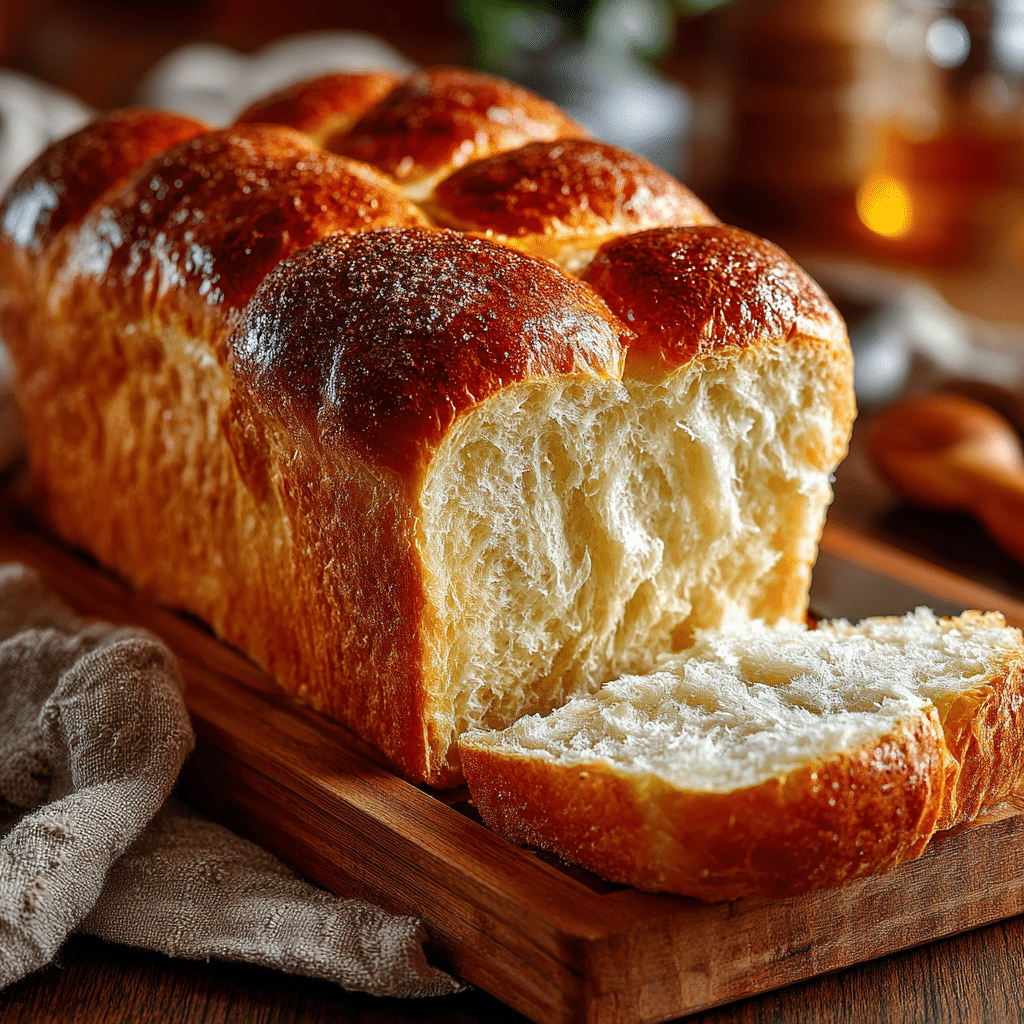
Milk Bread Japanese Shokupan Toast
Ingredients
Method
- Mix dry ingredients: In a large bowl, combine bread flour, sugar, salt, and yeast. Keep yeast and salt apart.
- Add wet ingredients: Pour in lukewarm milk and the egg. Mix until dough starts forming.
- Knead the dough: On a floured surface, knead for 10 minutes until smooth and elastic. Add butter gradually and knead until incorporated.
- First rise: Place dough in a lightly oiled bowl, cover with a damp cloth, and let rise in a warm place for 1–2 hours, or until doubled in size.
- Shape the loaf: Punch down the dough, divide into three equal pieces, roll each into a log, and place side by side in a greased bread tin.
- Second rise: Cover with a cloth and let rise 45–60 minutes until puffy and filling the tin.
- Bake: Preheat oven to 350°F (175°C). Bake for 25–30 minutes until golden brown. Tap the bottom; it should sound hollow.
- Cool: Remove from tin and cool on a wire rack before slicing.
Notes
- Use lukewarm milk to help yeast activate.
- Bread flour gives a better, fluffier texture than all-purpose flour.
- Store wrapped tightly in a plastic bag to keep soft for 2–3 days.
FAQ
Q: Can I make shokupan without a bread machine?
A: Absolutely. All steps—mixing, kneading, rising, and baking—can be done by hand or with a stand mixer.
Q: How long does Japanese milk bread stay fresh?
A: Wrapped in plastic or kept in an airtight container, it stays soft for 2–3 days. You can also freeze it for up to a month.
Q: What’s the difference between Hokkaido milk bread and standard shokupan?
A: Hokkaido milk bread uses more milk and butter, resulting in a creamier, slightly richer loaf.
Q: Can I use all-purpose flour instead of bread flour?
A: You can, but the bread will be less chewy and soft. Bread flour is recommended for the classic texture.
Q: What size bread tin should I use?
A: A standard 8×4-inch tin works perfectly for a 1-loaf batch. For square loaves, use a 7×7-inch tin.
Q: Can I add flavors like chocolate or matcha to this recipe?
A: Yes! Add powders directly to the flour before mixing. Keep total dry ingredients roughly the same to maintain texture.
Final Thoughts
Making milk bread Japanese shokupan toast at home is more than baking—it’s a little daily ritual that turns simple ingredients into something magical. Each slice is soft, fluffy, and comforting. Once you try it, you’ll see why this bread is beloved worldwide.
Serve it toasted with butter, layered with your favorite sandwich fillings, or simply enjoy it plain. Either way, it’s a loaf that brings a little happiness to your day.
Baking shokupan isn’t just about the bread; it’s about enjoying the process, the aroma, and the joy of homemade goodness. Give it a try—you might just fall in love with Japanese milk bread like I did.
