
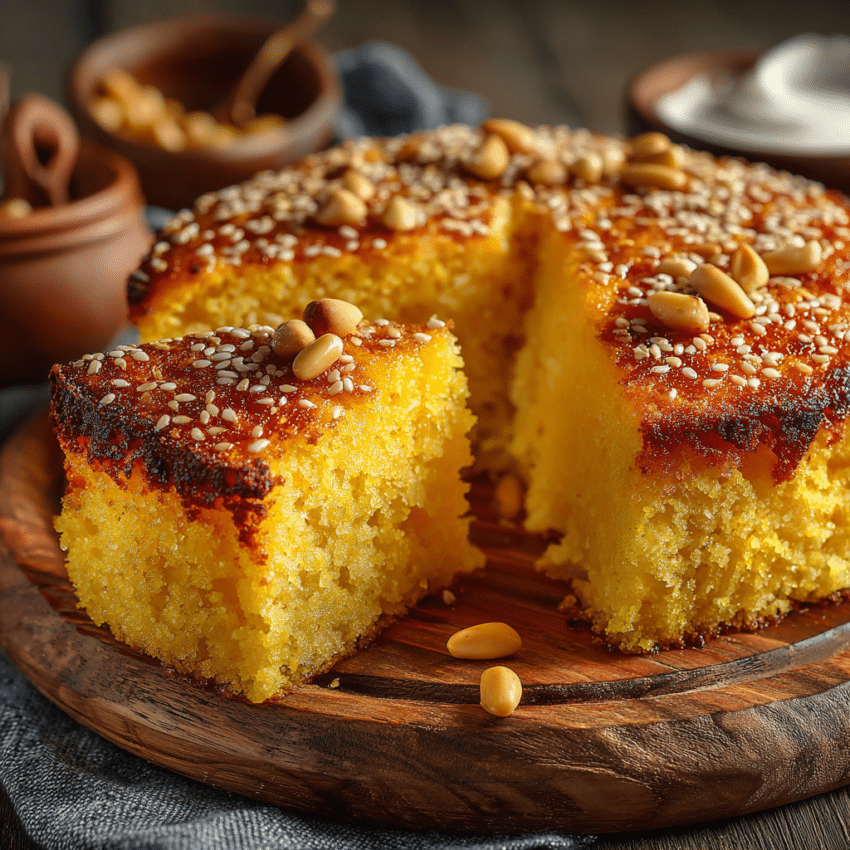
If you’ve ever craved a dessert that’s simple, flavorful, and steeped in tradition, Lebanese Sfouf turmeric semolina cake might just be your next obsession. This cake, known for its golden hue and soft, crumbly texture, is more than just a treat—it’s a slice of Lebanese heritage you can enjoy at home.
I first discovered sfouf during a trip to Beirut, where every bakery window seemed to glow with golden cakes sprinkled with sesame seeds. I couldn’t resist trying a piece. That first bite was warm, earthy, and subtly sweet. Since then, I’ve been experimenting with my own twists, and today, I’m excited to share a recipe that’s approachable, plant-based friendly, and downright irresistible.
What is Lebanese Sfouf?
Lebanese sfouf is a traditional semolina cake flavored primarily with turmeric. Unlike rich, frosting-heavy desserts, sfouf relies on simple ingredients—semolina, turmeric, sugar, and a touch of oil—to create a comforting, tender cake. The turmeric gives it that distinctive yellow color and subtle earthy flavor. Some variations also include pine nuts, anise, or even saffron, enhancing its aromatic quality.
It’s a staple in Lebanese homes, often enjoyed with coffee or tea, making it a perfect companion for a cozy afternoon. For home bakers, it’s a cake that doesn’t intimidate—you don’t need fancy tools or exotic ingredients to bring a little Lebanon into your kitchen.
Ingredients for Lebanese Sfouf Turmeric Semolina Cake
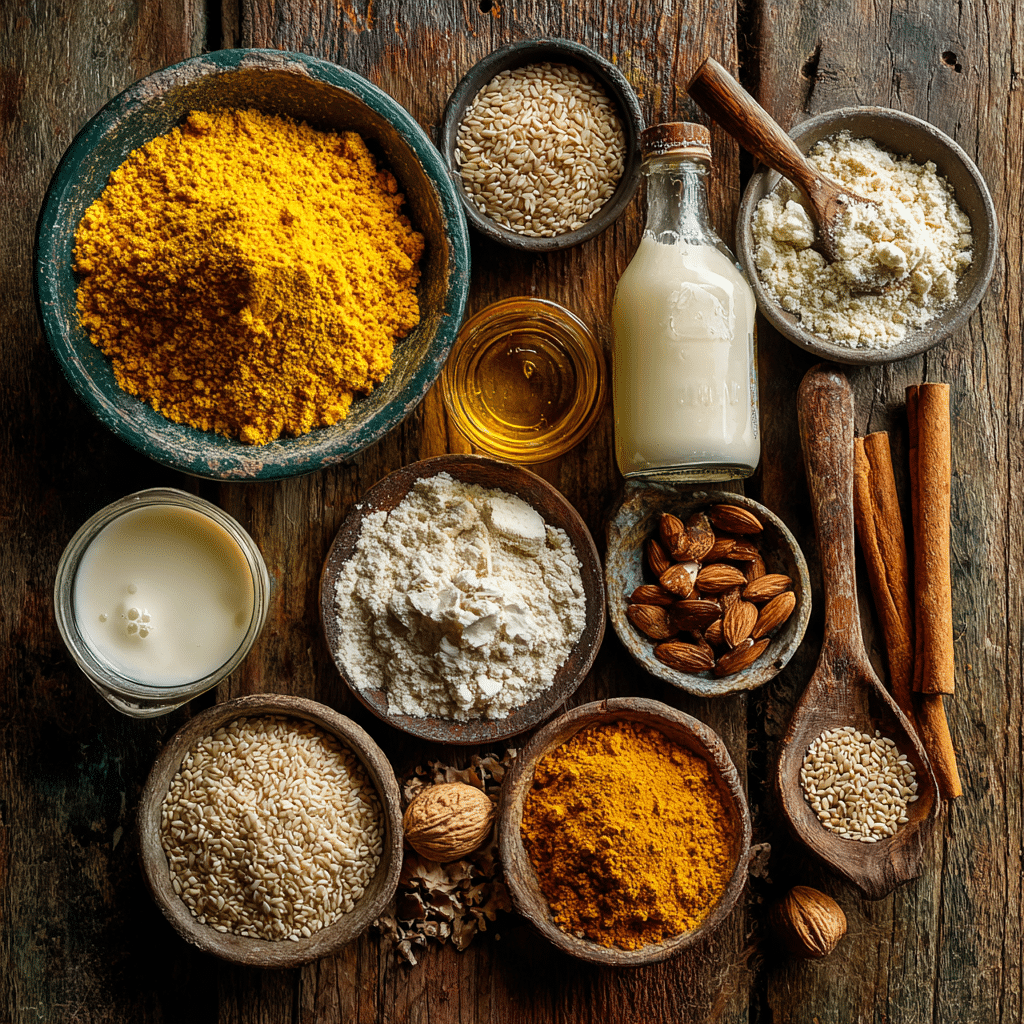
Before we dive into the steps, let’s talk about the ingredients. This isn’t a list of hard-to-find spices; it’s straightforward, pantry-friendly, and adaptable:
- 2 cups fine semolina (also called farina)
- 1 cup sugar
- 1 cup plant-based milk (almond, oat, or soy work beautifully)
- 1/2 cup neutral oil (sunflower, canola, or grapeseed)
- 2 tsp turmeric powder
- 2 tsp baking powder
- 1 tsp vanilla extract
- Pinch of salt
- Optional toppings: sesame seeds, pine nuts, or slivered almonds
These ingredients are easy to source, and the plant-based milk ensures the cake remains light and tender. It’s a dessert that feels indulgent without being heavy.
Step-by-Step Sfouf Lebanese Recipe
Here’s where the magic happens. I like to break it down into steps so even beginners can feel confident in the kitchen.
Step 1: Preheat and Prepare
Preheat your oven to 350°F (175°C). Grease a 9×9 inch baking pan and lightly dust it with semolina or flour to prevent sticking.
Step 2: Mix Dry Ingredients
In a large bowl, combine semolina, turmeric, sugar, baking powder, and salt. Stir until the mixture looks even and golden. The turmeric will tint the semolina a warm, sunny yellow—one of my favorite parts of making this cake.
Step 3: Combine Wet Ingredients
In a separate bowl, whisk together plant-based milk, oil, and vanilla extract. Once smooth, pour the liquid mixture into the dry ingredients. Stir gently until just combined. Be careful not to overmix; you want a soft, slightly grainy batter.
Step 4: Pour and Top
Pour the batter into your prepared pan. Smooth the top with a spatula, then sprinkle optional sesame seeds or pine nuts for texture and a hint of nutty flavor.
Step 5: Bake
Bake for 30–35 minutes, or until a toothpick inserted into the center comes out clean. The cake should have a delicate golden crust and a soft, moist interior.
Step 6: Cool and Slice
Allow the cake to cool completely before slicing. Sfouf is best enjoyed at room temperature, paired with coffee or tea.
Tips for the Perfect Lebanese Sfouf Cake
Making sfouf is straightforward, but a few small touches can elevate it from good to unforgettable:
- Use fine semolina: Coarser grains can make the cake gritty. Fine semolina gives that tender, melt-in-your-mouth texture.
- Don’t skip the turmeric: It’s not just for color; it adds a subtle, earthy note that defines the cake.
- Plant-based milk works beautifully: Almond or oat milk gives a slightly nutty flavor. Coconut milk is richer but optional.
- Gentle folding: Overmixing can make the cake dense. Stir until ingredients are just combined.
- Toppings matter: Toasted pine nuts or sesame seeds add crunch and a nutty aroma. I sometimes add slivered almonds for a little flair.
Variations You Can Try
Lebanese Sfouf is versatile. Here are a few twists I love experimenting with:
- Sfouf Cake Recipe with Saffron: A pinch of saffron elevates the flavor and adds a golden aroma that’s unmistakably Middle Eastern.
- Nutty Sfouf: Mix crushed walnuts or pistachios into the batter for added texture.
- Citrus Infused: A little orange or lemon zest brightens the flavor without overpowering the turmeric.
- Gluten-Friendly Option: Use a blend of fine semolina and almond flour. Texture will change slightly but the flavor remains delightful.
Each variation brings a fresh twist, making this turmeric cake perfect for brunches, potlucks, or even an afternoon treat.
Serving Suggestions
Sfouf Lebanese cake is simple yet versatile. Here’s how I like to enjoy it:
- With a hot beverage: Pair it with Lebanese coffee, black tea, or even a chai latte.
- For breakfast or brunch: Slice a piece alongside fresh fruit for a light, sweet start.
- As a snack: Keep it in an airtight container; it stays moist for a few days.
- Mini muffins: Pour the batter into muffin tins for single-serving portions. Great for kids or gatherings.
No matter how you serve it, sfouf has a comforting, almost nostalgic quality that makes it impossible not to smile while eating.
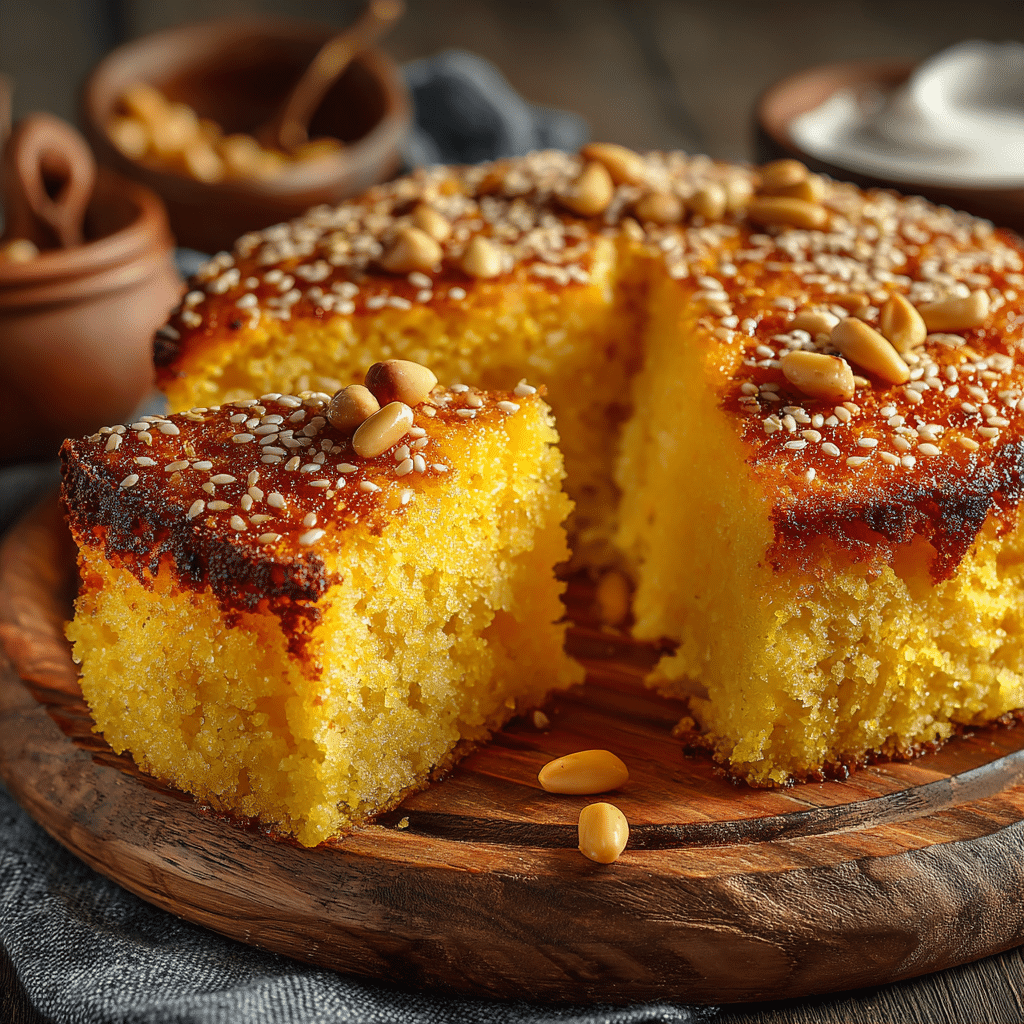
Lebanese Sfouf Turmeric Semolina Cake Recipe
Ingredients
Method
- Preheat the oven to 350°F (175°C). Grease a 9×9 inch baking pan and lightly dust with semolina or flour.
- Mix dry ingredients in a large bowl: semolina, turmeric, sugar, baking powder, and salt. Stir until well combined.
- Mix wet ingredients in a separate bowl: plant-based milk, oil, and vanilla extract.
- Combine wet and dry ingredients. Pour the wet mixture into the dry and stir gently until just combined. Don’t overmix.
- Pour into the pan and smooth the top. Sprinkle sesame seeds, pine nuts, or slivered almonds on top.
- Bake for 30–35 minutes, or until a toothpick inserted into the center comes out clean.
- Cool completely before slicing. Serve at room temperature with coffee or tea.
Notes
- Use fine semolina for the softest texture.
- Adjust sugar slightly if you prefer sweeter or lighter cakes.
- Plant-based milk works best but regular milk is fine.
- Store in an airtight container for 3–4 days at room temperature.
FAQ: Lebanese Sfouf Turmeric Semolina Cake
1. What is sfouf?
Sfouf is a traditional Lebanese semolina cake flavored with turmeric, often enjoyed with coffee or tea.
2. Can I make sfouf without plant-based milk?
Yes, regular milk works, but plant-based milk keeps it lighter and slightly nutty.
3. Is sfouf gluten-free?
Traditional sfouf is made with semolina, which contains gluten. For a gluten-free version, mix semolina with almond flour or another gluten-free flour.
4. Can I add other flavors?
Absolutely! Saffron, orange zest, nuts, or even coconut can be added for a unique twist.
5. How should I store sfouf?
Keep in an airtight container at room temperature for 3–4 days. It can also be refrigerated for up to a week.
6. Can I make sfouf in a different shape?
Yes, bake in loaf pans, muffin tins, or round cake pans. Adjust baking time accordingly.
7. Is sfouf healthy?
While it’s a dessert, using plant-based milk and moderate sugar keeps it on the lighter side. Turmeric adds a subtle health boost.
Final Thoughts
Lebanese Sfouf turmeric semolina cake is more than a dessert; it’s a connection to tradition, a touch of warmth, and a little golden slice of happiness. Whether you stick to the classic recipe or add your own variations, this cake is approachable, adaptable, and always satisfying.
Next time you want to bring a taste of the Middle East into your kitchen, try this sfouf Lebanese recipe. You’ll love the aroma, the texture, and the way each bite reminds you that sometimes the simplest desserts are the sweetest.
