
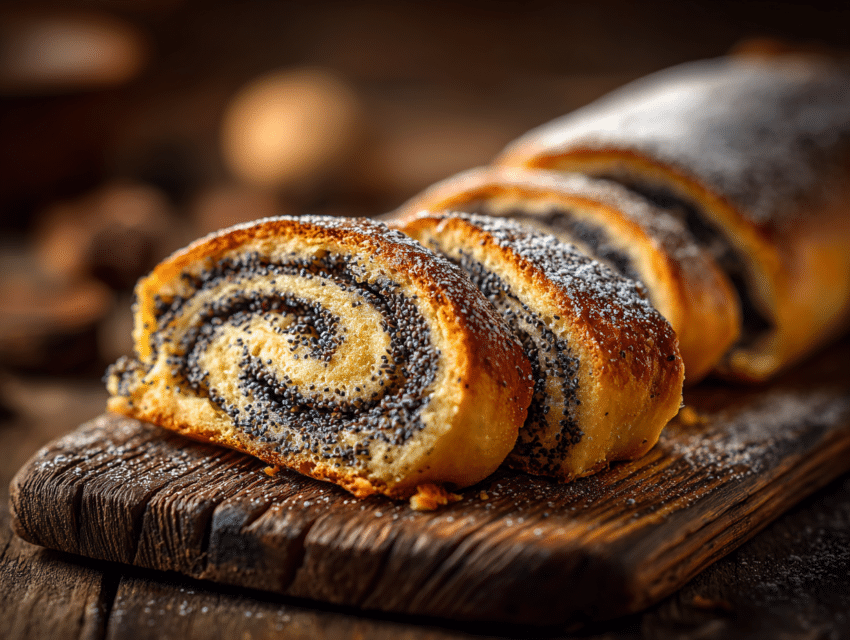
If you’ve ever tasted a Hungarian bejgli poppy seed roll, you know it’s more than just a dessert—it’s a celebration on a plate. Soft, buttery dough hugging a rich, sweet poppy seed filling, this roll has been a staple in Hungarian households for generations, especially around the holidays. Today, I’m sharing my favorite Hungarian bejgli poppy seed roll recipe, complete with tips to get it just right, so you can bring a slice of Hungary to your kitchen.
What Is a Hungarian Bejgli?
Let’s start at the beginning. Bejgli, also spelled beigli, is a traditional Hungarian sweet bread roll filled with either poppy seeds or walnuts. In Hungary, it’s a must-have for Christmas and other festive occasions. Think of it as the cousin of other Eastern European nut rolls and Polish walnut rolls, but with a flavor and texture all its own.
The dough is tender but firm enough to hold a generous filling. The poppy seed filling is sweet, slightly nutty, and perfectly fragrant—exactly what you want when biting into a slice of history.
Ingredients You’ll Need
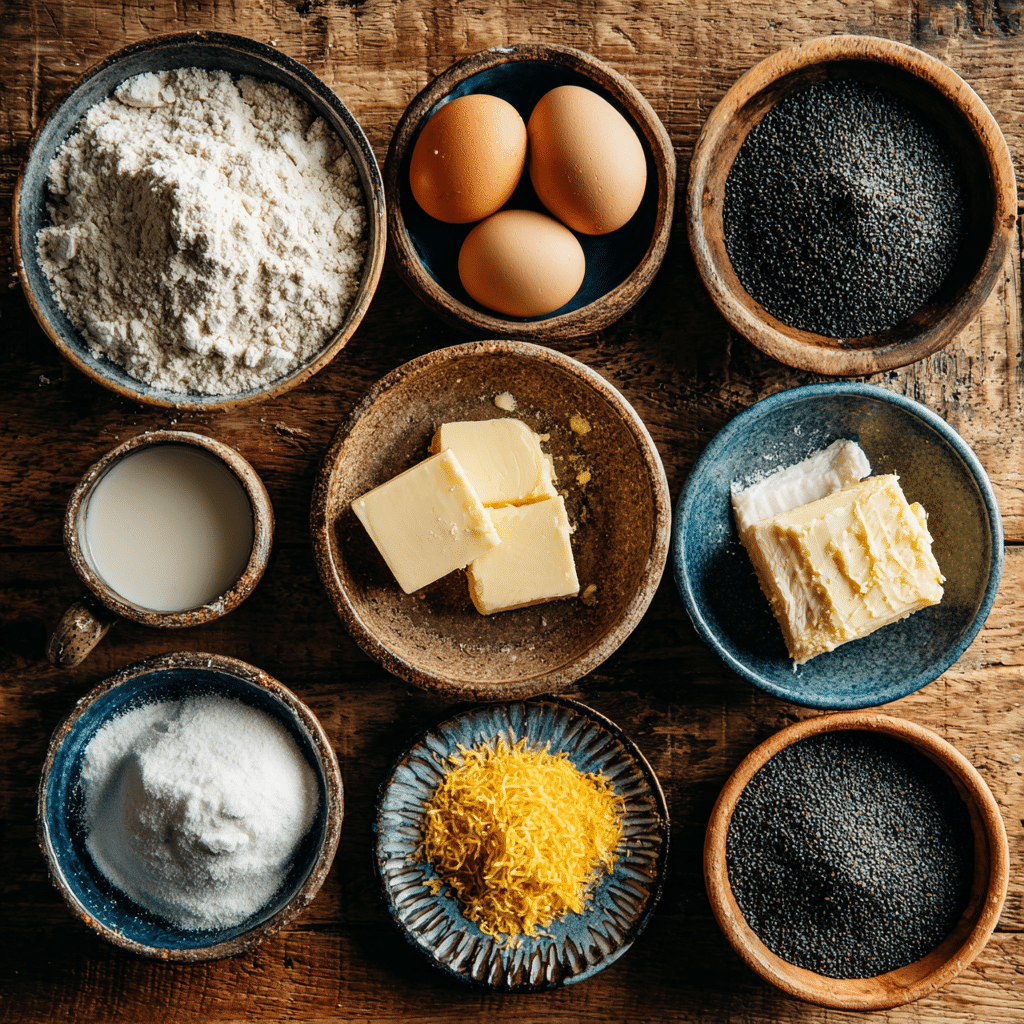
For the dough:
- 4 cups all-purpose flour
- 1/2 cup sugar
- 1 tsp salt
- 1 cup unsalted butter, softened
- 2 large eggs
- 1/2 cup milk, lukewarm
- 2 tsp active dry yeast
- Zest of 1 lemon
For the poppy seed filling:
- 1 1/2 cups poppy seeds
- 3/4 cup sugar
- 1/2 cup milk
- 2 tbsp honey
- 1 tsp vanilla extract
- 1/4 tsp salt
Optional for brushing:
- 1 egg, beaten
Pro tip: Freshly ground poppy seeds release more flavor than pre-ground ones. If you can, grind them just before baking.
Making the Dough
Start by activating the yeast. In a small bowl, mix lukewarm milk with 1 tsp sugar and the yeast. Wait about 5–10 minutes until it becomes frothy. That’s your green light.
Meanwhile, in a large mixing bowl, combine flour, salt, sugar, and lemon zest. Cut in the butter until the mixture looks like coarse crumbs. Add the eggs and the yeast mixture, then knead until the dough is smooth and elastic.
Here’s a trick I use: knead for about 8–10 minutes, but don’t overdo it. The dough should be soft, not sticky. Wrap it in plastic and let it rest for at least an hour, or until doubled in size. While it’s resting, you can prepare your filling.
Preparing the Poppy Seed Filling
Bring the milk to a gentle simmer in a small saucepan. Stir in the sugar, honey, and salt. Add the poppy seeds and cook for 5–7 minutes, stirring constantly so they don’t stick. Remove from heat and stir in vanilla. Allow the filling to cool slightly—it should be spreadable but not runny.
Quick note: Some bakers like to add a bit of finely chopped orange peel or rum for a twist, but I keep it traditional.
Assembling Your Hungarian Poppy Seed Roll
Once your dough has doubled, punch it down and roll it out into a rectangle about 1/4-inch thick. Spread the cooled poppy seed filling evenly, leaving about 1/2 inch at the edges.
Now comes the fun part: rolling. Starting from the long side, gently roll the dough into a tight log. Pinch the edges to seal, then place it seam-side down on a lined baking sheet. Brush the top with beaten egg for a golden finish.
Tip: Rolling too tightly can squeeze out the filling. Too loose, and your roll won’t hold shape. Find the sweet spot—it’s a little like Goldilocks baking.
Baking Your Bejgli
Preheat the oven to 350°F (175°C). Bake for 35–45 minutes, checking halfway through. You want the top golden brown and a lovely poppy seed aroma filling your kitchen.
Once baked, cool the roll on a wire rack for at least 30 minutes before slicing. Trust me, it’s tempting to cut immediately, but patience makes a difference—the flavors meld and the slices stay intact.
Slicing and Serving Your Hungarian Christmas Bejgli
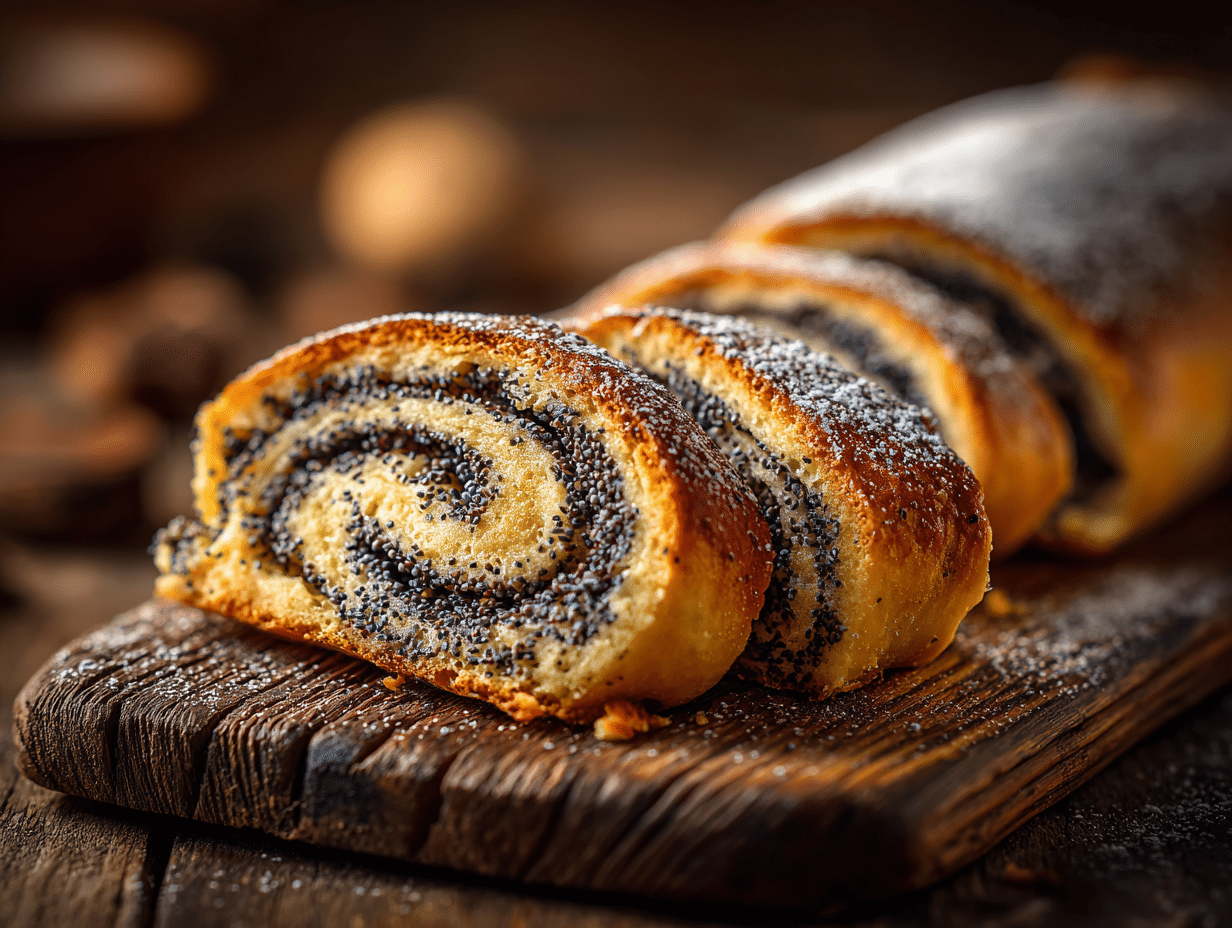
After letting your bejgli cool, it’s time to slice. Use a sharp serrated knife to avoid squishing the roll. I like to cut slices about 1/2 to 3/4 inch thick. Each slice reveals that gorgeous swirl of dark poppy seed filling against the golden dough—a treat for both the eyes and taste buds.
Serve it with coffee, tea, or a glass of milk. At Christmas, it makes a perfect addition to your dessert table. It also freezes well if you want to make ahead for holiday gatherings. Just wrap each roll tightly in plastic wrap and foil, then store in the freezer for up to two months.
Variations to Try
While poppy seed filling is classic, bejgli rolls can take many delicious forms:
Walnut Roll (Diós Bejgli): Swap poppy seeds for finely ground walnuts mixed with sugar, milk, and a touch of cinnamon. This is another traditional Hungarian favorite and works beautifully for holiday celebrations.
Mix and Match: Some bakers like to add raisins, candied orange peel, or even a hint of rum to the filling for a festive twist. Be careful not to overdo it—the filling should remain spreadable and not too wet.
Mini Rolls: For a fun presentation, divide the dough and filling into smaller portions to create individual rolls. They bake faster and make charming gifts for neighbors or friends.
Common Mistakes and How to Avoid Them
Making bejgli may seem tricky at first, but a few pointers can save you from frustration:
- Dough too sticky: Add a little extra flour, 1 tablespoon at a time, while kneading. Avoid adding too much, or your roll will be dry.
- Filling leaks out: Don’t overfill and roll the dough snugly, not too tight. Seal edges carefully.
- Soggy bottom: Use parchment paper or a silicone baking mat. Avoid using buttered pans; excess moisture can make the roll stick.
- Cracks in the crust: Make sure the dough rests long enough after kneading. Overworked dough can shrink and crack during baking.
How To Make Bejgli Extra Special
I love these little touches that elevate my bejgli:
- Brush with butter: After baking, lightly brush the top with melted butter. It keeps the crust soft and adds a subtle shine.
- Dust with powdered sugar: Just before serving, dust lightly for a snowy, festive look.
- Chill before slicing: Cooling completely ensures neat slices. This is especially important if you plan to present them on a holiday dessert platter.
FAQs About Hungarian Poppy Seed Rolls
Q: Can I make the dough ahead of time?
A: Yes! You can prepare the dough and let it rise overnight in the fridge. Bring it to room temperature before rolling and filling.
Q: Can I use pre-ground poppy seeds?
A: You can, but freshly ground poppy seeds release more flavor. If using pre-ground, toast lightly in a dry pan for a richer aroma.
Q: Can I freeze bejgli after baking?
A: Absolutely. Wrap tightly and freeze for up to two months. Thaw at room temperature before slicing.
Q: What’s the difference between bejgli and other Eastern European rolls?
A: Bejgli is Hungarian, often made for Christmas with poppy seeds or walnuts. Polish Makowiec and Slovak rolls are similar but have slight variations in dough and filling.
Q: Can I make a nut roll instead of poppy seed?
A: Yes! Use walnuts or a mix of walnuts and honey for a traditional Diós Bejgli. It’s equally delicious and a popular holiday treat.
Hungarian Bejgli Poppy Seed Roll
Ingredients
Method
- Activate yeast: Mix lukewarm milk, 1 tsp sugar, and yeast in a small bowl. Wait 5–10 minutes until frothy.
- Make dough: In a large bowl, combine flour, salt, sugar, and lemon zest. Cut in butter until crumbly. Add eggs and yeast mixture. Knead until smooth and elastic.
- Rest dough: Cover and let rise for 1 hour or until doubled in size.
- Prepare filling: Heat milk gently in a saucepan. Add sugar, honey, and salt. Stir in poppy seeds and cook 5–7 minutes until thick. Remove from heat, add vanilla, and cool slightly.
- Roll dough: Punch down dough, roll into a rectangle about 1/4 inch thick. Spread filling evenly, leaving 1/2 inch border.
- Form roll: Roll from long side into a log. Seal edges and place seam-side down on a baking sheet. Brush with beaten egg.
- Bake: Preheat oven to 350°F (175°C). Bake 35–45 minutes until golden.
- Cool and slice: Let cool for at least 30 minutes. Slice 1/2–3/4 inch thick and serve.
Notes
- Dough can be made a day ahead and refrigerated.
- Slice carefully with a serrated knife to avoid squashing the roll.
- Variations: replace poppy seed with ground walnuts for a walnut roll.
Final Thoughts
Making a Hungarian bejgli poppy seed roll may seem ambitious, but it’s truly rewarding. There’s something magical about rolling out soft dough, spreading a sweet filling, and watching it turn into a golden, festive roll. This recipe brings warmth to the holidays and gives you a little taste of Hungary right at your kitchen table.
Whether you stick to classic poppy seed or try a walnut variation, bejgli is a dessert that’s meant to be shared. Slice it for family, wrap a few as gifts, or simply savor it with your favorite holiday drink.
Baking this traditional Hungarian Christmas treat is more than making a dessert—it’s creating memories and continuing a centuries-old holiday tradition. So preheat your oven, roll out that dough, and enjoy every sweet moment!
