
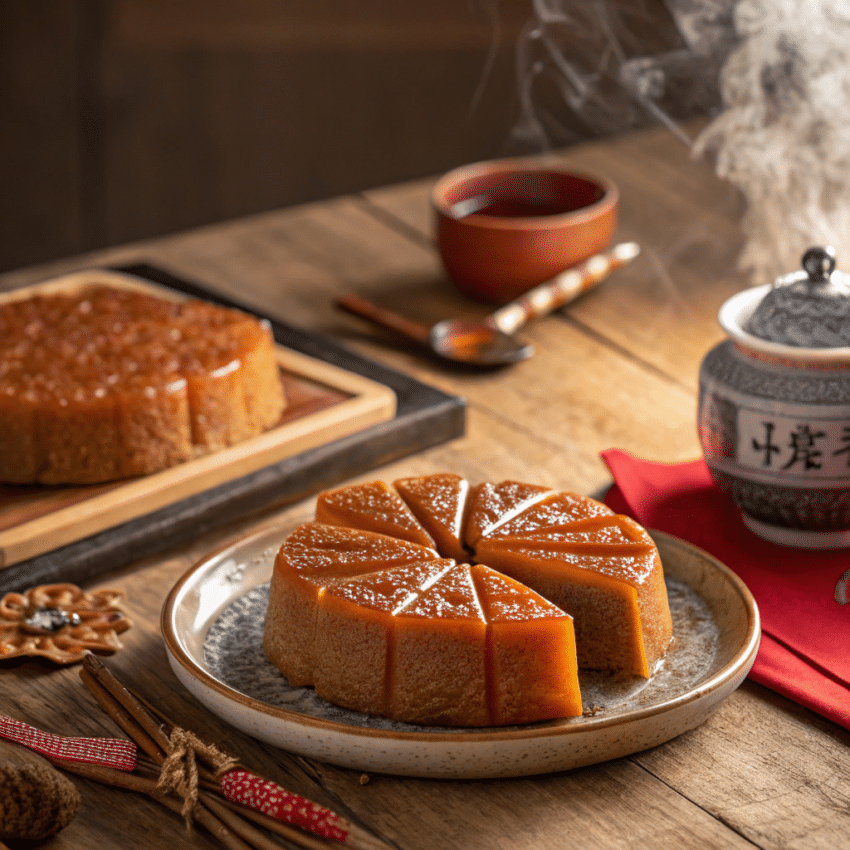
Nian Gao, also called Chinese New Year cake, is a sticky rice treat that’s been celebrated for generations. Traditionally served during Chinese New Year, this sweet rice cake symbolizes growth, progress, and good fortune. Making nian gao at home is simpler than it seems, and once you get the hang of it, it becomes a delightful addition to any festive table.
In this guide, I’ll walk you through everything—from ingredients to baking tips—so you can make your own nian gao rice cake. Whether you like it soft, chewy, or baked with a caramelized crust, this recipe covers it all.
What is Nian Gao?
Nian gao is a classic Chinese dessert made primarily with glutinous rice flour and sugar. Its chewy texture and natural sweetness make it irresistible. Traditionally, it’s eaten during Chinese New Year because “nian” means year, and “gao” sounds like tall or high—symbolizing growth and prosperity.
There are two common forms: the steamed version, soft and sticky, and the baked version, golden and slightly caramelized. Both are delicious, but today I’ll focus on a versatile approach that works for either method.
Nian Gao Ingredients
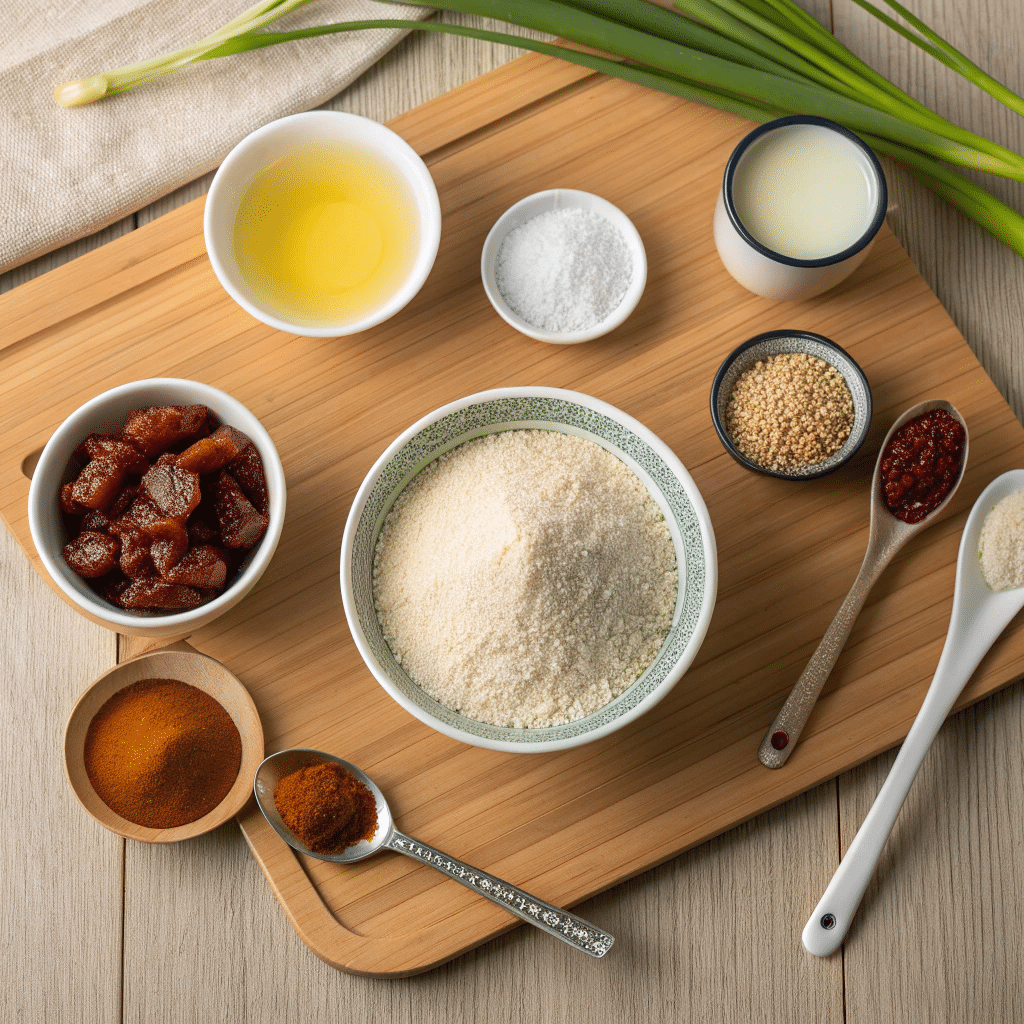
To make authentic nian gao, you’ll need:
- Glutinous rice flour: 2 cups
- Water: 1 ¾ cups
- Brown sugar: 1 cup
- Vegetable oil: 2 tablespoons
- Optional flavorings: A few drops of vanilla extract, dried fruits, or red bean paste
The magic of nian gao lies in glutinous rice flour. It gives the cake its sticky, chewy texture. Unlike regular rice, glutinous rice absorbs moisture differently, creating that signature elasticity.
How to Make Nian Gao at Home
Here’s a simple step-by-step approach:
Step 1: Preparing the Sugar Syrup
- Combine brown sugar and water in a saucepan.
- Heat gently until the sugar fully dissolves. Avoid boiling too aggressively.
- Let the syrup cool to room temperature.
This step is key because the sugar syrup mixes seamlessly with the rice flour, ensuring smooth nian gao texture.
Step 2: Mixing the Batter
- In a mixing bowl, pour glutinous rice flour.
- Slowly add the cooled sugar syrup while stirring.
- Mix until the batter is smooth and free of lumps.
- Stir in vegetable oil for a soft, tender cake.
At this stage, you can fold in extras like red bean paste or chopped dried fruits to add texture and flavor.
Step 3: Steaming the Nian Gao
- Grease a round or square cake pan.
- Pour the batter evenly into the pan.
- Steam for 40–50 minutes over medium heat. Cover the pan to avoid water dripping onto the cake.
Steamed nian gao will be glossy and slightly firm to the touch but soft inside.
Step 4: Optional Baked Nian Gao
- Preheat your oven to 350°F (175°C).
- After steaming, let the cake cool slightly.
- Bake for 15–20 minutes to achieve a golden crust.
Baked nian gao adds a caramelized exterior and a richer flavor. It’s perfect if you like a little crunch alongside the chewy center.
Tips for Perfect Nian Gao
- Use fresh glutinous rice flour; old flour can make the cake dry.
- Avoid over-steaming. Too much steam can make the cake soggy.
- Let the cake cool completely before slicing. Warm nian gao is sticky and hard to cut neatly.
- For an extra festive touch, mold the cake into different shapes or cut into bite-sized cubes for nian gao cookies.
Variations of Nian Gao
Nian gao is versatile. You can enjoy it in many ways:
- Traditional Steamed Nian Gao: Soft, sweet, and chewy. Perfect with tea.
- Baked Nian Gao Recipe: Golden crust, chewy inside. A modern twist for dessert lovers.
- Fried Nian Gao: Slice the cake thin, coat lightly in flour, and pan-fry. Crispy outside, chewy inside.
- Stuffed Nian Gao: Fill with red bean paste, sesame paste, or even chocolate for a fusion dessert.
Why Nian Gao is a Chinese New Year Staple
Eating nian gao isn’t just about taste. The sticky texture represents togetherness. Families gather to steam or bake the cake, making it a bonding activity. Plus, the wordplay on “nian” and “gao” makes it a symbol of growth, ambition, and prosperity for the year ahead.
When I first made nian gao at home, I was amazed at how a few simple ingredients could carry so much meaning. It’s more than just a Chinese dessert—it’s a tradition you can share with anyone.
Nian Gao Rice Cake Serving Ideas
- Sliced and plain: Traditional serving, great with tea.
- Pan-fried with sesame seeds: Crispy on the outside, chewy inside.
- Cubed for desserts: Add to sweet soups or drizzle with coconut milk.
Even small tweaks can create a new experience with the same core recipe.
Common Questions About Nian Gao
How Long Can I Store Nian Gao?
Nian gao keeps well. Store it in an airtight container in the fridge for up to 2 weeks. If frozen, it can last 1–2 months. To serve, just steam or pan-fry slices until warm.
Can I Make Nian Gao Without a Steamer?
Absolutely! Use a heatproof dish in a large pot with a lid. Add a little water at the bottom, cover tightly, and steam over medium heat. It works just as well.
Why Is My Nian Gao Too Sticky?
If your nian gao is overly sticky, it might have too much moisture or under-steaming. Next time, reduce water slightly or extend steaming by 5–10 minutes. Cooling completely before slicing also helps.
Can I Use White Sugar Instead of Brown Sugar?
You can, but brown sugar adds a richer flavor and a deeper caramel color. White sugar works if you want a lighter cake, but it won’t have that signature golden hue.
How Can I Make Nian Gao More Festive?
Add small touches like red bean paste swirls, sesame seeds, or even a light dusting of coconut. You can also cut into fun shapes for Chinese New Year parties—it’s a hit with kids and adults alike.
Fun Variations for Creative Nian Gao
- Mini Nian Gao Muffins: Pour batter into muffin molds for personal servings. Great for gifting.
- Chocolate Swirl Nian Gao: Mix cocoa powder into half of the batter before steaming. Swirl together for a marbled effect.
- Fruit-Infused Nian Gao: Add chopped dried apricots or dates to the batter for a chewy, fruity surprise.
- Nian Gao Cookies: Slice steamed nian gao into thin strips, coat lightly in flour or cornstarch, then pan-fry until crisp.
My Personal Nian Gao Experience
I remember the first time I tried making nian gao at home. I was nervous—it looked so simple in photos, but I had no idea how sticky it would be. My kitchen turned into a minor rice-flour battlefield!
After a few attempts, I nailed it: smooth, chewy, and just sweet enough. What surprised me most was how something so humble could carry so much tradition. Sharing nian gao with family felt like passing down a story. That’s what I love about Chinese desserts—they’re simple yet deeply meaningful.
Serving Suggestions
- Pair nian gao with green tea or jasmine tea to balance the sweetness.
- Serve as part of a Chinese New Year dessert platter with sesame balls and tangyuan.
- Cut into small cubes and add to sweet soups or milk puddings for texture.
- Pan-fry slices for a crispy twist—especially delicious with a light dusting of sugar.
Final Tips for Perfect Nian Gao
- Always measure glutinous rice flour carefully; too much or too little affects texture.
- Don’t rush the steaming or baking process—patience pays off.
- Grease pans lightly to prevent sticking, but avoid excess oil—it changes the texture.
- Experiment with flavors gradually—traditional nian gao is sweet and mild, so even small additions make a difference.
Conclusion
Making Chinese nian gao sweet rice cake at home is more than a recipe—it’s a little celebration in your kitchen. From mixing the batter to steaming, slicing, and enjoying, each step is a chance to connect with a centuries-old tradition.
Whether you stick to the classic steamed nian gao, try baked nian gao, or get creative with fillings and toppings, this sticky rice cake is a showstopper for any occasion. Once you’ve made it, you’ll understand why it’s a beloved dessert in Chinese culture and a must-have for New Year celebrations.
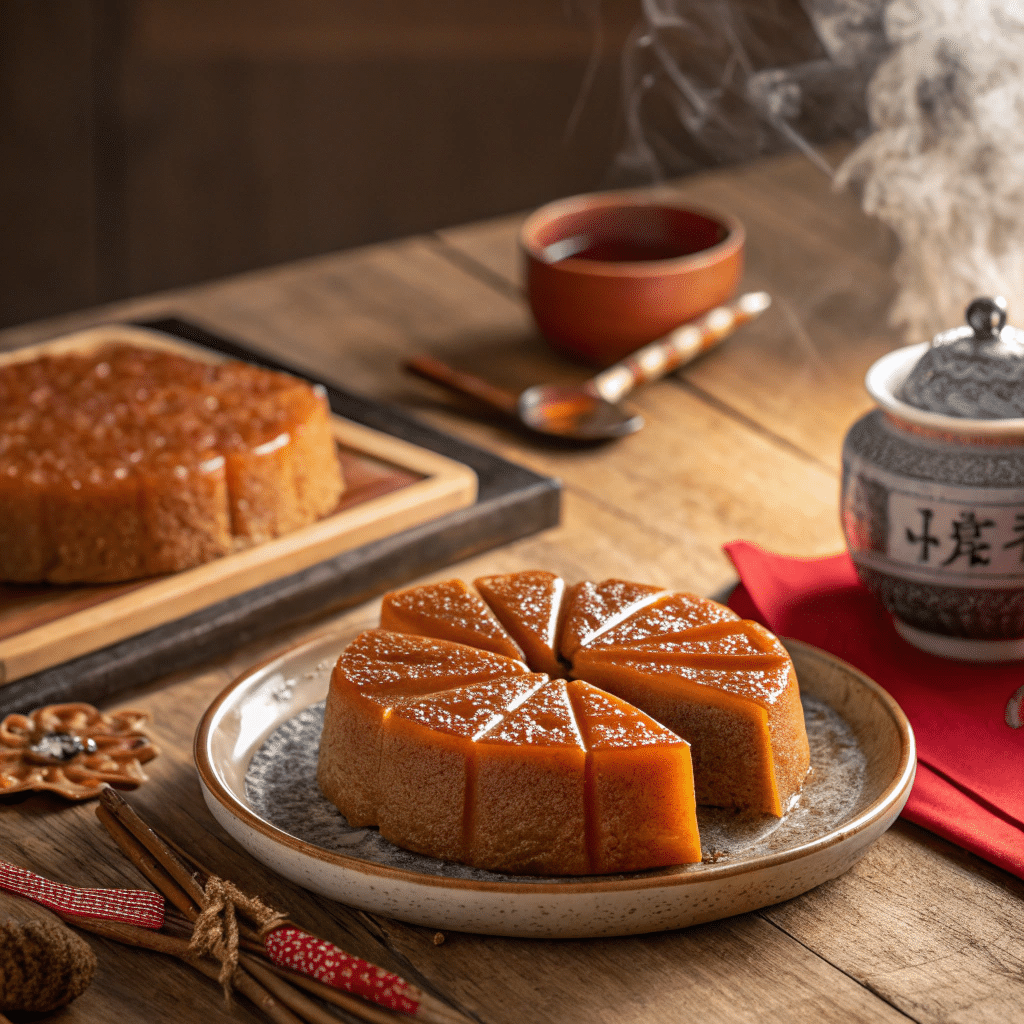
Chinese Nian Gao Sweet Rice Cake
Ingredients
Method
- Combine brown sugar and water in a small saucepan.
- Heat gently until sugar dissolves. Let cool to room temperature.
- Mix the Batter:
- Place glutinous rice flour in a mixing bowl.
- Slowly pour in cooled sugar syrup, stirring continuously until smooth.
- Add vegetable oil and mix well.
- Fold in optional ingredients like red bean paste or dried fruits if desired.
- Grease a round or square cake pan.
- Pour the batter into the pan evenly.
- Steam over medium heat for 40–50 minutes. Cover to prevent water from dripping on top.
- Optional Baked Version:
- Preheat oven to 350°F (175°C).
- After steaming, cool slightly and bake for 15–20 minutes until the surface is golden.
- Let the cake cool completely before slicing.
- Serve plain, pan-fried with sesame seeds, or cubed for desserts.
Notes
- Use fresh glutinous rice flour for the best texture.
- Make sure to cool the cake completely before slicing to avoid sticking.
- Leftovers can be stored in an airtight container in the fridge for up to 2 weeks or frozen for 1–2 months.
- For a festive touch, you can add small swirls of red bean paste or sesame seeds on top.
FAQ (Quick Reference)
Q: What is Nian Gao?
A: A traditional Chinese sweet rice cake, often eaten during New Year for good luck.
Q: Can I bake Nian Gao instead of steaming?
A: Yes! Baked nian gao has a golden crust and chewy center.
Q: Is glutinous rice flour the same as regular rice flour?
A: No. Glutinous rice flour gives nian gao its sticky, chewy texture.
Q: How do I store leftover nian gao?
A: Keep in an airtight container in the fridge up to 2 weeks or freeze for 1–2 months.
Q: Can kids eat Nian Gao?
A: Absolutely. It’s sweet, soft, and kid-friendly, but small slices are easier to handle.
