
Jump to Recipe
There’s something deeply satisfying about a cake that asks almost nothing of you but rewards you for two days straight.
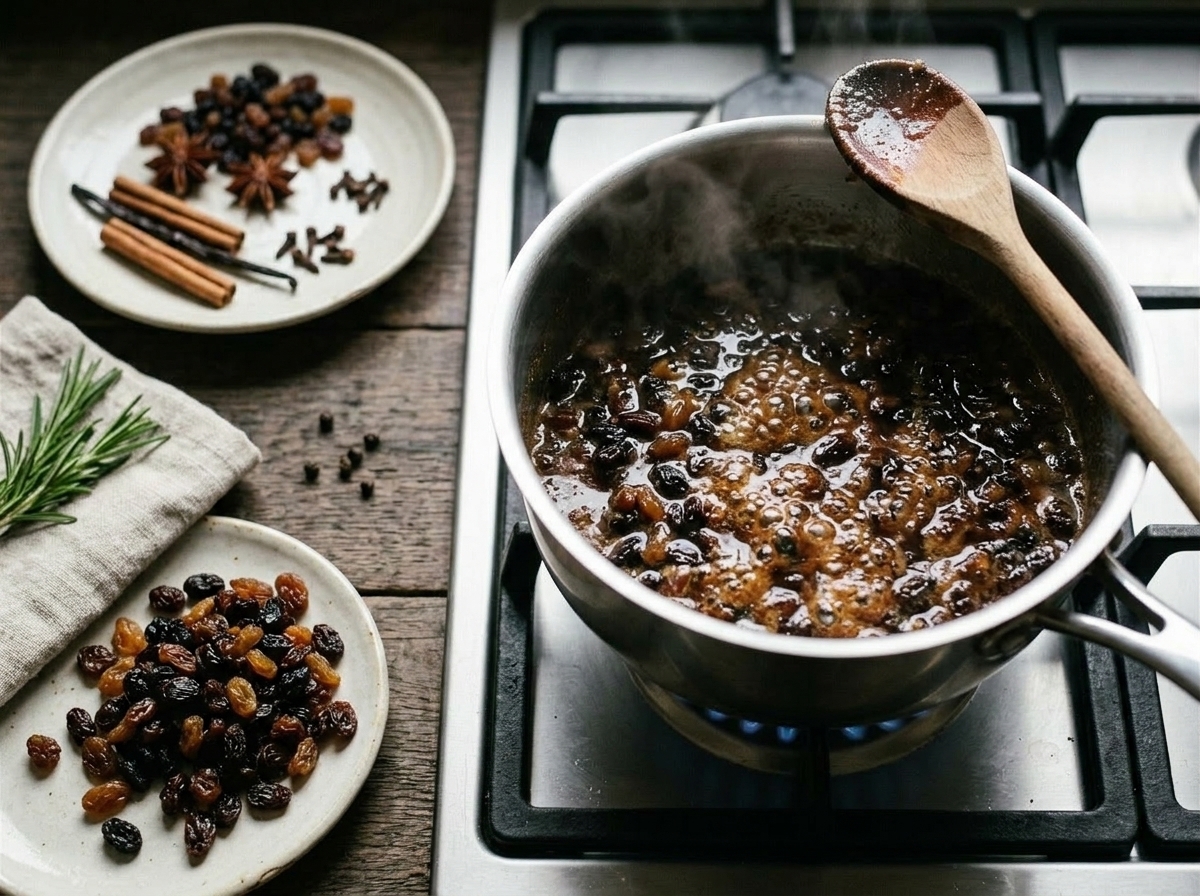
Irish porter cake is a boiled fruit cake, which means you start by simmering dried fruit in stout on the stovetop. That step alone fills the kitchen with something between a bakery and a pub. The fruit plumps up, soaks in the beer, and carries that dark, malty depth into every slice.
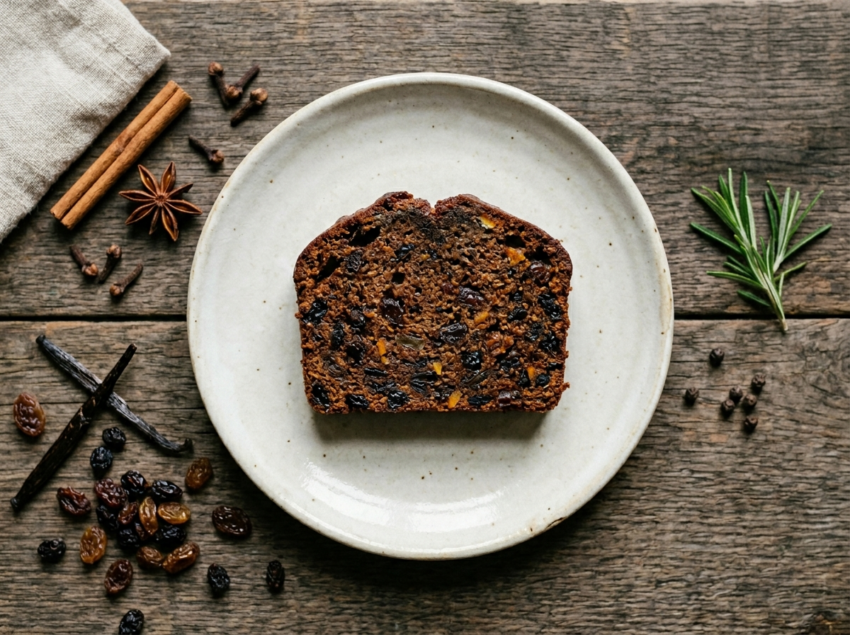
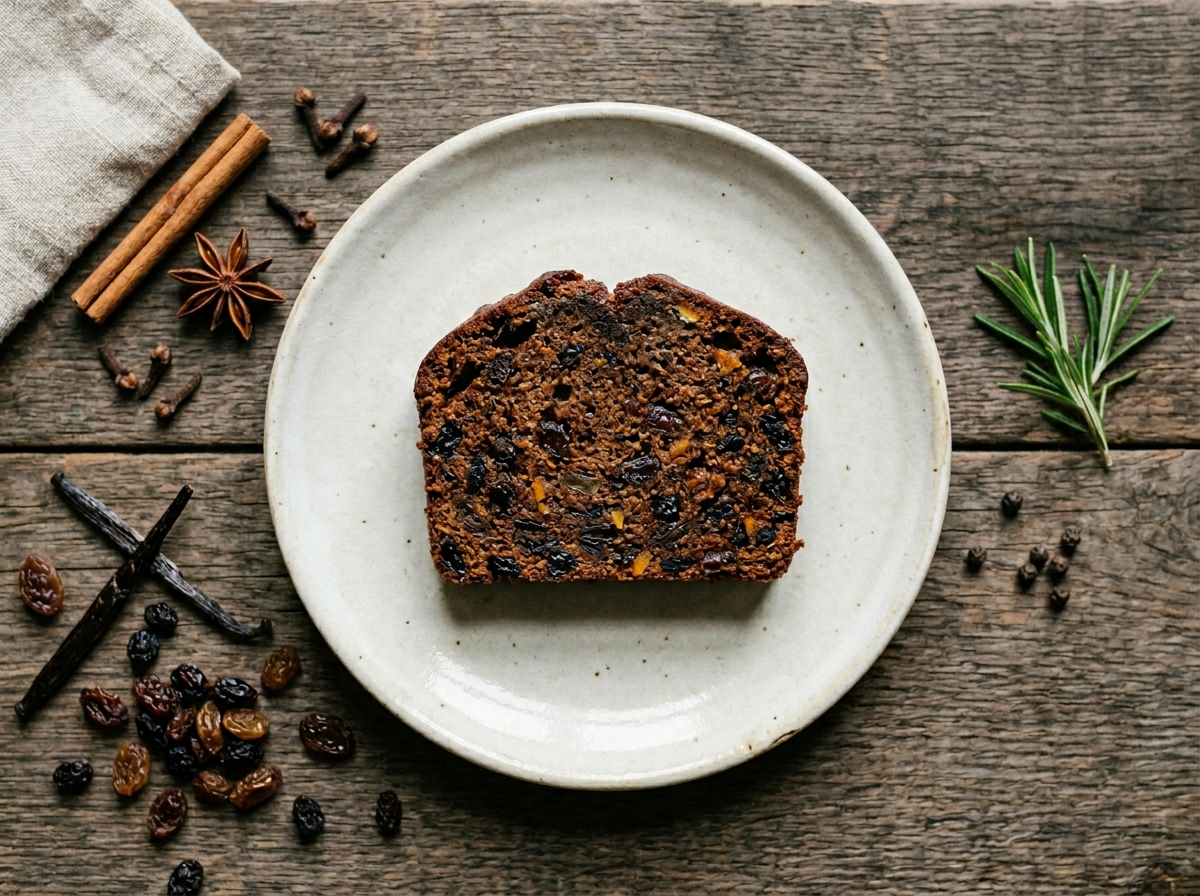
This isn’t a light sponge. It’s a dense, dark loaf with a tight crumb, sticky fruit throughout, and just enough spice to keep it interesting. A proper cup of tea alongside it is not optional.
I first made this for St. Patrick’s Day and now make it any time autumn arrives and I want something that keeps well on the counter for a week.
Why You’ll Love This Recipe
- Better on day two as flavors deepen overnight
- One saucepan plus one bowl, minimal equipment
- Keeps well for a full week without drying out
- Stout adds depth without tasting like beer
Ingredient Notes
- stout: Guinness is the go-to here and works well. Any dry Irish or English stout works. Avoid sweet stouts like milk stout, they make the cake cloying.
- mixed dried fruit: A standard pack of sultanas, raisins, and currants is fine. You can swap up to half the quantity for chopped dried dates or prunes for a richer, stickier result.
- dark brown sugar: Dark brown gives the right molasses depth. Light brown works but the color and flavor will be noticeably paler and milder.
- butter: Unsalted butter is used in the batter. Salted butter also works, just skip the added salt in the dry ingredients.
- mixed spice: This is a British-Irish blend of cinnamon, nutmeg, allspice, and cloves. If you don’t have it, use 1 tsp cinnamon, 1/4 tsp nutmeg, and a pinch of cloves.
- self-raising flour: Self-raising flour gives a slight lift to this otherwise dense cake. If using plain flour, add 1.5 tsp baking powder per 200 g.
Irish Porter Cake with Stout, Dried Fruit, and Warm Spices
Ingredients
Method
- Combine the stout, dried fruit, dark brown sugar, and butter in a medium saucepan over medium heat.
- Stir until the butter melts, then bring to a low simmer. Cook for 10 minutes, stirring occasionally, until the fruit has plumped and absorbed most of the liquid.
- Remove from heat and transfer to a large mixing bowl. Spread out slightly and leave to cool for 30 minutes until barely warm to the touch.
- Heat the oven to 160 C / 320 F. Grease a 900 g (2 lb) loaf tin and line the base and sides with a double layer of parchment paper, leaving a slight overhang.
- Sift the self-raising flour, mixed spice, cinnamon, and salt into the cooled fruit mixture.
- Add the beaten eggs and fold everything together with a spatula until no dry flour remains. The batter will be thick and heavy.
- Spoon into the prepared tin and smooth the top with the back of a spoon.
- Bake for 90 to 100 minutes, until a skewer inserted into the center comes out clean. If the top darkens too quickly after 60 minutes, cover loosely with foil.
- Remove from the oven and leave to cool in the tin for 20 minutes, then transfer to a wire rack to cool completely before slicing.
Notes
Tips for Success
- Simmer the fruit in stout for a full 10 minutes so it absorbs the liquid before you add butter.
- Let the fruit mixture cool to room temperature before adding eggs, or they’ll scramble.
- Line the tin with a double layer of parchment and bake low and slow at 160 C to avoid a dry crust.
- Test with a skewer at 90 minutes, it should come out clean but the cake will still feel moist.
- Wrap cooled cake tightly in parchment then foil and rest overnight before slicing for best texture.
Variations
- Add 2 tbsp Irish whiskey to the fruit with the stout for a boozy, celebratory version.
- Stir in 50 g chopped walnuts or pecans before baking for crunch against the soft fruit.
- Replace 50 g dried fruit with chopped glacé cherries for a sweeter, festive look.
Storage and Reheating
Store the cooled cake wrapped in parchment and foil at room temperature. It keeps well for 5 to 7 days and actually improves by day two as the moisture redistributes through the crumb.
For longer storage, wrap individual slices in cling film and freeze for up to 3 months. Thaw at room temperature for 2 hours before serving.
No need to reheat, this cake is best at room temperature. If you prefer a slightly warm slice, 15 seconds in the microwave softens it without drying it out.
Serving Suggestions
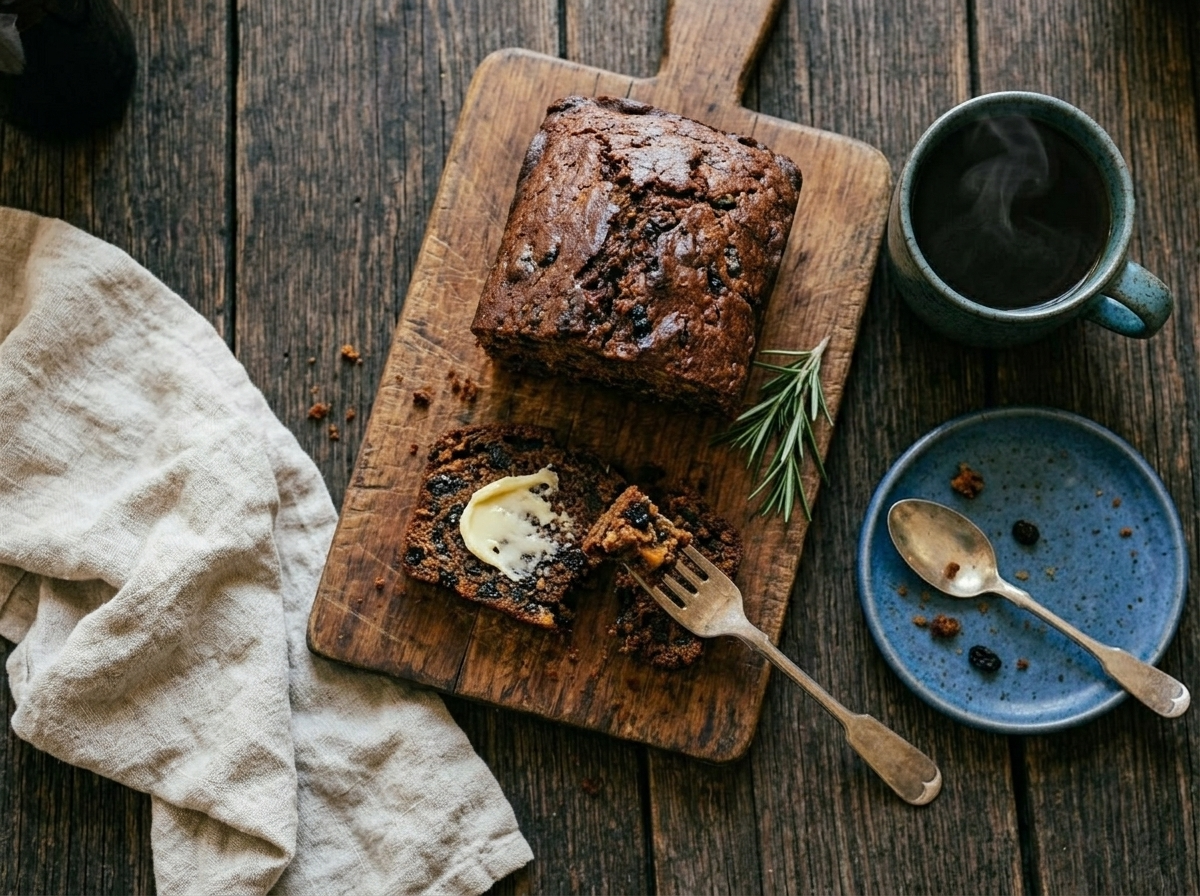
Serve in thick slices with a strong cup of Irish breakfast tea or builder’s tea. A scrape of salted butter on each slice is traditional and works far better than it sounds.
For a more composed dessert, serve with a spoonful of cold clotted cream or thick Greek yogurt and a drizzle of honey, much like the layered richness in a Scandinavian lingonberry cream dessert. The tang cuts through the dense fruit nicely.
This cake also travels well. Wrap slices individually and bring them to picnics or long hikes where something substantial is needed.
FAQ
Why did my Irish porter cake sink in the middle?
The most common cause is opening the oven door before the cake has set, usually in the first hour. It can also happen if the batter is too wet from undercooking the stout and fruit, so make sure most of the liquid is absorbed before adding the dry ingredients.
Can I use plain flour instead of self-raising flour in this porter cake?
Yes, add 1.5 teaspoons of baking powder per 200 g of plain flour as a direct swap. The rise on this cake is modest regardless, so the difference is small.
How far ahead can I make this Irish porter cake?
You can bake it up to 5 days before you need it. Wrap it tightly in parchment and foil and store at room temperature, it holds moisture well and the flavor deepens each day.
What pairs well with Irish porter cake at a St. Patrick’s Day spread?
Strong black tea is the classic pairing, either Barry’s or Lyons if you want to be proper about it. Sliced Irish cheddar alongside a piece of porter cake is an underrated combination if you’re leaning toward a savory spread.
Is Irish porter cake the same as Irish fruit cake?
They’re closely related but not identical. Traditional Irish fruit cake often uses black tea to soak the fruit, while porter cake specifically uses stout, which adds a darker color and a malty, slightly bitter undertone, not unlike how boozy fruit deepens dessert flavor in the German rumtopf tradition. The method is the same, the flavor profile is different.
Can I make Irish porter cake dairy free?
Yes, swap the butter for a plant-based block butter like Naturli or Vitalite. The texture stays similar since the fat content is close. Use the same quantity and the rest of the recipe holds.
