

Ever wonder what people in Ancient Rome or Greece ate when they craved something sweet?
I do. All the time.
Long before frosting and chocolate chips, there were honey, nuts, figs, sesame, dates, and fresh cheese. Simple ingredients. Bold flavors. No shortcuts. These ancient dessert recipes prove you don’t need modern gadgets to create something memorable.
Today, I’m sharing 15 desserts inspired by ancient recipes. Some come straight from Mediterranean desserts traditions. Others are adapted so you can make them in your home kitchen without chasing rare ingredients.
1. Ancient Roman Honey Cakes (Libum)
This is one of the most famous Roman desserts ancient cooks prepared for offerings and family meals.
What You’ll Need:
- 1 cup ricotta
- 1 cup flour
- 1 egg
- 2 tablespoons honey
- Bay leaves (optional)
How to Make It:
- Mix ricotta and egg.
- Add flour and knead lightly.
- Shape into a small round loaf.
- Bake at 350°F (175°C) for 30 minutes.
- Drizzle warm honey over the top.
It’s simple. Slightly savory. Lightly sweet. Think of it as the ancestor of cheesecake.
2. Greek Honey Pie (Melopita)
This Greek dessert recipe relies on fresh cheese and fragrant honey.
Ingredients:
- 1 ½ cups ricotta or mizithra
- 2 eggs
- ½ cup honey
- 1 tablespoon flour
- Cinnamon
Steps:
- Whisk everything together.
- Pour into a greased pie dish.
- Bake 40 minutes at 350°F.
- Finish with extra honey and cinnamon.
It’s creamy and golden. No crust needed. Honey pie doesn’t beg for attention. It earns it.
3. Sesame Honey Bars (Pasteli)
These are classic Mediterranean desserts and one of the oldest Greek desserts still enjoyed today.
Ingredients:
- 1 cup sesame seeds
- ½ cup honey
Method:
- Toast sesame seeds.
- Warm honey until loose.
- Mix and press flat.
- Cool and slice.
That’s it. Ancient Roman snacks and Greek street treats in one bite.
4. Roman Stuffed Dates
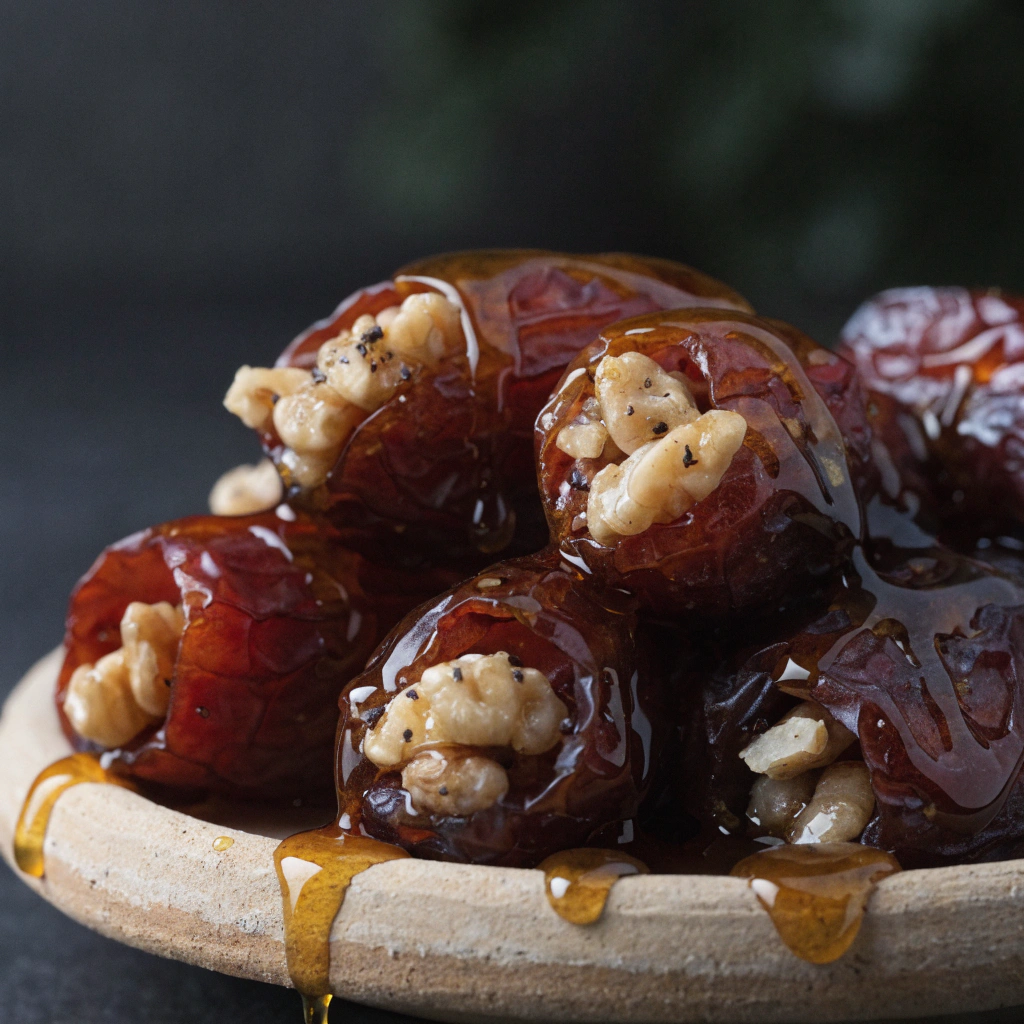
Sweet meets savory. Roman food recipes often played with contrast.
Ingredients:
- Pitted dates
- Crushed walnuts
- Black pepper
- Honey
Instructions:
- Mix walnuts with a pinch of pepper.
- Stuff dates.
- Warm slightly.
- Drizzle honey.
The pepper surprises you. Then you want another.
5. Fig and Almond Cake
Figs were prized in Ancient Greek recipes and Ancient Roman food recipes.
Ingredients:
- 1 cup chopped dried figs
- 1 cup almond flour
- 2 eggs
- ¼ cup honey
- 1 teaspoon baking powder
Bake at 350°F for 35 minutes.
Dense. Nutty. Naturally sweet. It feels rustic in the best way.
6. Ancient Roman Pancakes
Roman desserts weren’t always baked. Some were fried.
Ingredients:
- 1 cup flour
- 1 egg
- Water
- Honey
Mix into a thin batter. Fry in olive oil. Drizzle honey on top.
No syrup needed. Just honey and a little courage.
7. Grape Must Pudding (Inspired by Mustaceum)
Romans used grape must in baking.
Ingredients:
- 1 cup grape juice
- 2 tablespoons semolina
- 1 tablespoon honey
Simmer until thick. Cool. Serve chilled.
It’s subtle. Almost floral.
8. Olive Oil Almond Cookies
No butter here. Olive oil was the backbone of Mediterranean desserts.
Ingredients:
- 1 cup almond flour
- ¼ cup olive oil
- 3 tablespoons honey
- Orange zest
Mix. Shape. Bake 15 minutes at 350°F.
Crisp edges. Tender center.
9. Ancient Greek Sesame Bread with Honey
Part bread. Part dessert.
Use basic yeast dough. After baking, brush with honey and sprinkle sesame seeds.
Slice thick. Serve warm. It pairs beautifully with tea.
10. Roman Cheesecake with Bay
Inspired by libum but baked in small rounds.
Add crushed bay leaf into the batter before baking.
The aroma is herbal. Unexpected. Historical recipes often leaned aromatic rather than sugary.
11. Honeyed Barley Porridge
Barley was common in Ancient Rome recipes.
Cook barley in milk. Stir in honey and chopped dates.
It’s humble food. But comforting.
12. Pistachio and Date Rolls
Blend:
- 1 cup dates
- ½ cup pistachios
- 1 tablespoon honey
Roll into logs. Chill. Slice.
These resemble modern energy bites, yet they trace back to ancient recipes food traditions.
13. Roman Honey Fritters
Mix flour, egg, and water. Fry small spoonfuls.
Soak briefly in warm honey.
They’re messy. Sticky fingers guaranteed. Worth it.
14. Ancient Greek Yogurt with Thyme Honey
Sometimes dessert is restraint.
Thick yogurt. Good honey. A pinch of crushed thyme.
That’s Greek dessert in its purest form.
15. Spiced Wine Poached Pears
Romans flavored wine with spices.
Simmer pears in red wine, honey, and cinnamon for 25 minutes.
Cool. Serve sliced.
It tastes luxurious without fuss.
Why Ancient Dessert Recipes Still Matter
These Roman desserts and Greek dessert recipes share a pattern:
Few ingredients. Clear flavors. Heavy reliance on honey instead of refined sugar.
Ancient Roman honey cakes weren’t loaded with icing. They celebrated texture. Aroma. Warmth.
That simplicity makes them perfect for modern kitchens. You don’t need fancy tools. You need curiosity and good ingredients.
And maybe a little patience.
Tips for Baking Ancient-Inspired Desserts
- Use high-quality honey. It’s the star.
- Don’t oversweeten. Ancient desserts were gentler.
- Toast nuts and sesame. Flavor multiplies.
- Olive oil can replace butter in many recipes.
- Embrace texture. Dense cakes were common.
Ancient Greek recipes weren’t written with teaspoons and grams. They were guided by instinct. Trust yours.
Frequently Asked Questions
What sweetener did Ancient Rome use in desserts?
Honey was the primary sweetener in Ancient Roman dessert recipes. Refined sugar wasn’t widely available. Honey gave depth and floral notes.
Are Roman desserts very sweet?
No. Roman desserts ancient cooks prepared were moderately sweet. They focused on nuts, cheese, grains, and fruit balanced with honey.
What are traditional Greek desserts from ancient times?
Some examples include honey pie (melopita), sesame honey bars (pasteli), and simple yogurt with honey. Many Greek desserts today still reflect those ancient Greek recipes.
Can I adapt these historical recipes for modern diets?
Yes. You can swap regular flour with almond flour or gluten-free blends. Many ancient recipes food traditions already relied on nuts and grains rather than refined ingredients.
What is the difference between Greek and Roman desserts?
Greek dessert recipes often highlight cheese, sesame, and honey. Roman food recipes leaned into herbs, bay leaves, grape must, and spiced wine. Both valued balance over sugar overload.
