
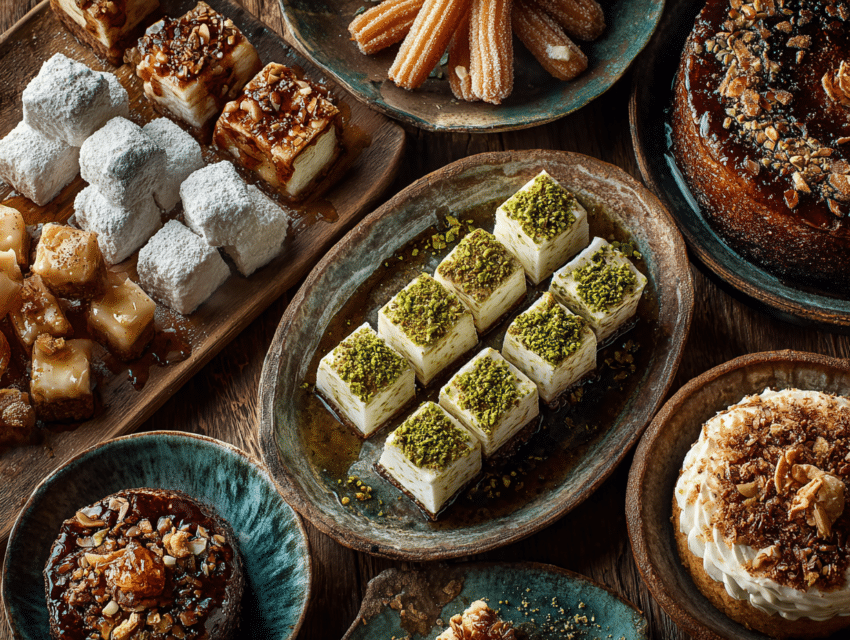
Celebrations look different everywhere, but there’s one thing that always brings people together: dessert. I’ve always believed that sweets speak their own language—no translation required. Whether I’m wandering through a bustling street market in Hong Kong or whisking batter in my Toronto kitchen, I’m reminded that every culture has a story, and many of those stories are written in sugar.
Today, I’m sharing 10 cultural celebration desserts to bake any time, inspired by traditions, holidays, and flavors from across the globe. If you love exploring desserts from around the world recipes, this lineup will spark your curiosity and fill your kitchen with new aromas.
Each recipe is approachable for home bakers. No fluff. No complicated instructions. Just straight-up good sweets backed by generations of tradition.
Let’s bake our way around the globe.
1. Chinese Almond Cookies (China – Chinese New Year)
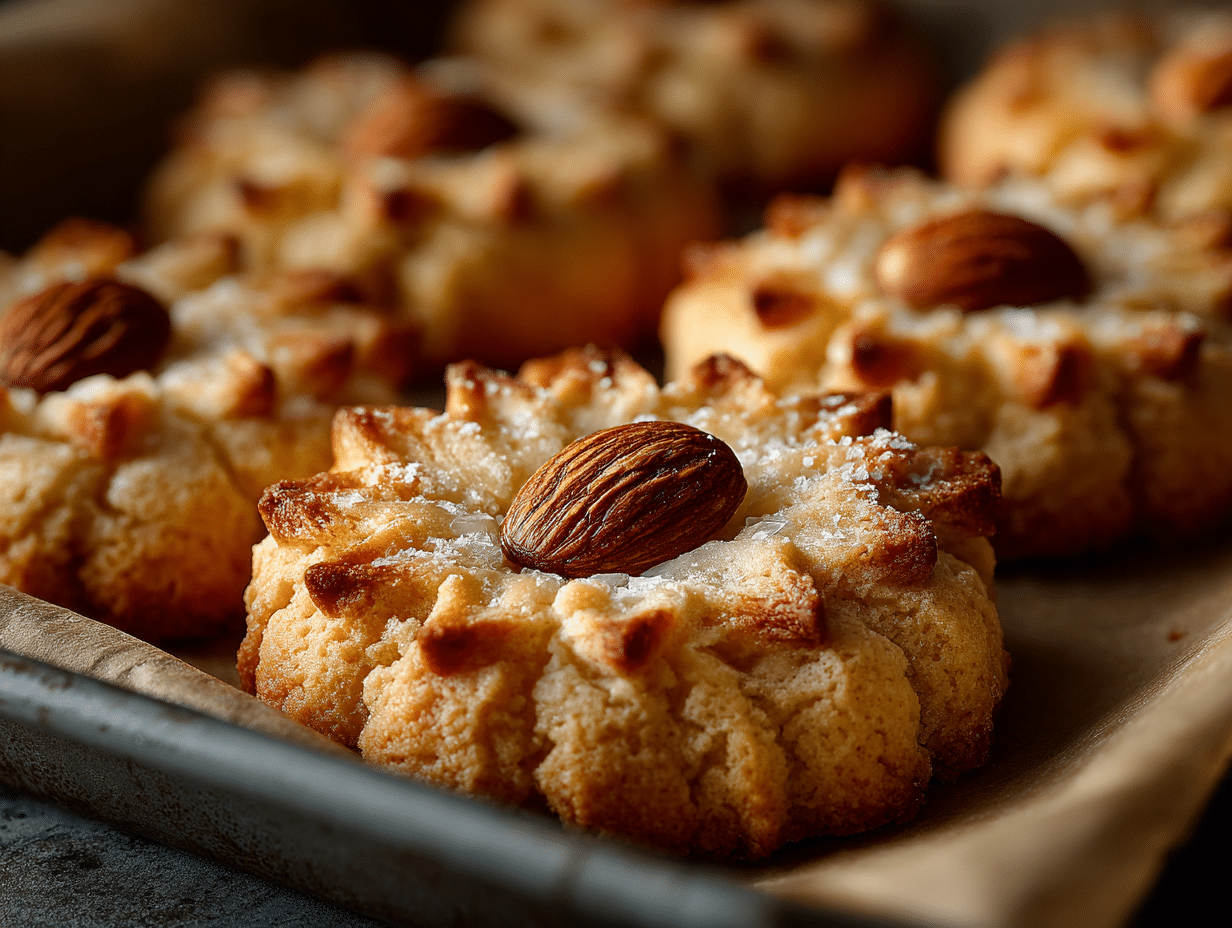
Chinese New Year brings so many treats, but almond cookies have a charm all their own. They’re crisp, buttery, and delicately fragrant. When I first tried making these at home, I was surprised by how quickly they came together. The dough uses simple pantry staples, and the signature almond in the center adds that familiar festive look.
These cookies represent good fortune, so sharing a batch is a sweet way to spread luck—holiday or not.
Quick Baking Notes:
Use almond flour for better aroma. Don’t overmix. Expect a crumbly but tender bite.
2. Basbousa (Egypt – Family Gatherings)
Basbousa is a semolina cake soaked in syrup, and honestly, it tastes like sunshine in every bite. I remember the first time I sliced into it; the syrup glistened like tiny jewels. This dessert is served at almost every celebration in Egypt, from weddings to simple family dinners.
The semolina gives it a sandy, satisfying texture, and the orange blossom syrup brings just the right touch of sophistication.
Quick Baking Notes:
Let the hot syrup soak into the warm cake. It drinks it up beautifully.
3. Mochi (Japan – New Year & Special Occasions)
Mochi is playful—soft, chewy, and joyful. Shaping it feels like working with warm clouds. Traditionally, it’s made for the Japanese New Year, but I think it’s perfect for slow afternoons when you want something different.
Fillings vary—red bean paste, matcha cream, peanut-sesame blends. Every version has its fans, including me.
Quick Baking Notes:
Dust everything with cornstarch. Mochi sticks to everything except your will to keep baking.
4. Churros with Cinnamon Sugar (Spain – Festive Markets)
Spain knows how to do street food, and churros are the proof. Long, ridged, golden dough sticks rolled in cinnamon sugar—they’re the kind of dessert that turns any day into a celebration.
You don’t need a deep fryer. A simple pot with oil works fine. When these hit the kitchen counter, they disappear faster than I can finish cooling them.
Quick Baking Notes:
Pipe the dough directly into the oil using a star tip. That shape is non-negotiable.
5. Gulab Jamun (South Asia – Weddings & Festivals)
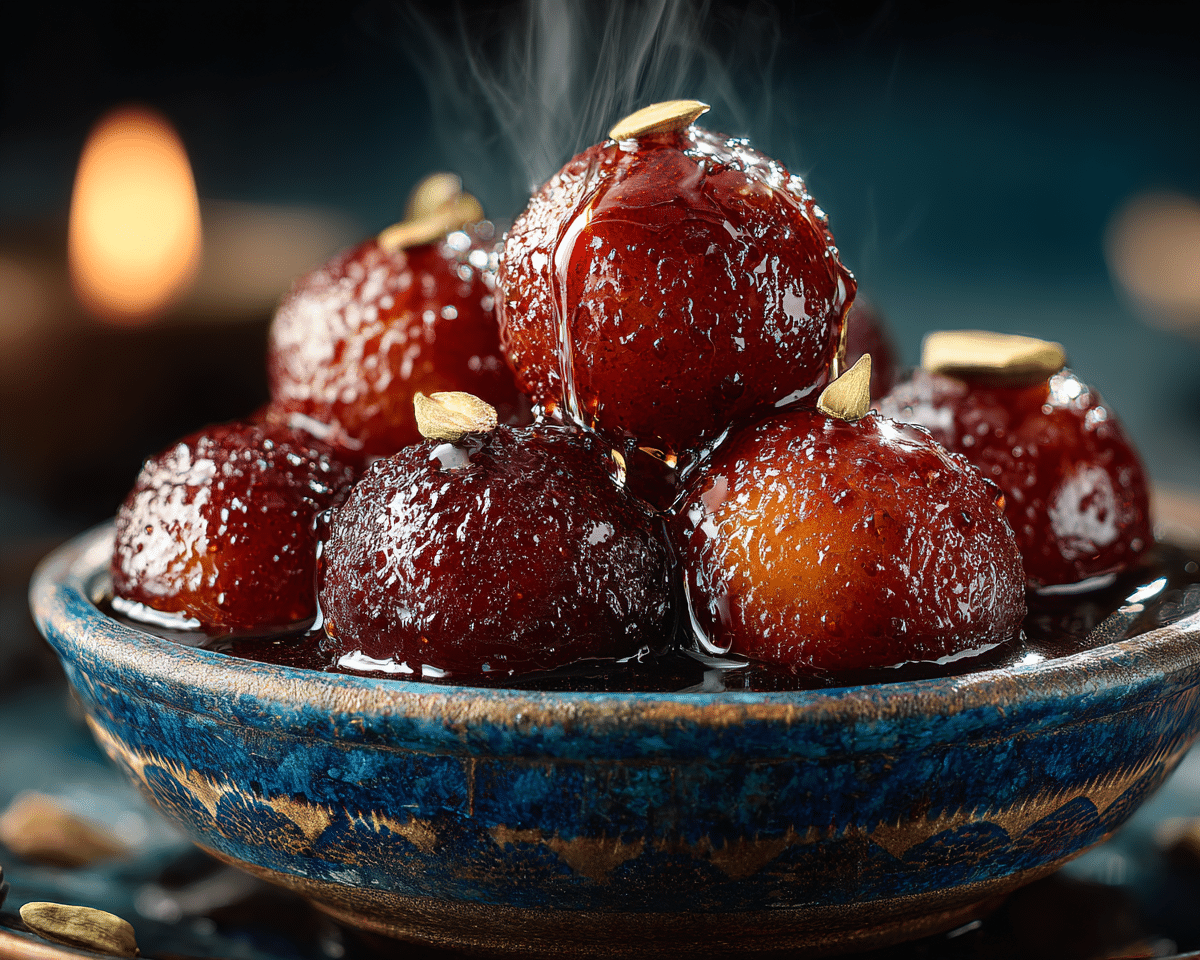
Gulab jamun is syrup-soaked bliss. Soft, deep-fried milk dough balls steeped in cardamom syrup sound simple, but the flavor is on another level. I’ve enjoyed them at countless gatherings, and they always remind me of warmth, hospitality, and big celebrations.
Eat them warm for the best experience. They melt—literally—on your tongue.
Quick Baking Notes:
Fry on low heat for even color. A hasty cook ends in a pale center and burnt exterior.
6. Pastel de Nata (Portugal – Daily Treat or Festive Table)
These Portuguese custard tarts are tiny heroes. Crisp, flaky shells with a caramelized custard top—no wonder they’ve become so popular worldwide. On my trip to Lisbon, I ate more of these than I care to admit.
Making them at home takes a bit of patience, but the reward is worth every minute.
Quick Baking Notes:
Use very cold dough and very hot heat. That combo creates the iconic blistered top.
7. Banoffee Pie (United Kingdom – Birthdays & Celebrations)
Cream, bananas, caramel, biscuit crust—banoffee pie feels like the dessert version of a cozy blanket. It’s wildly simple, and it feeds a crowd. Whenever I bring this to gatherings, I leave with an empty dish.
This is one of those easy desserts from around the world that tastes far more impressive than the effort it asks for.
Quick Baking Notes:
Use ripe but firm bananas to avoid a mushy texture.
8. Tres Leches Cake (Latin America – Festive Feasts)
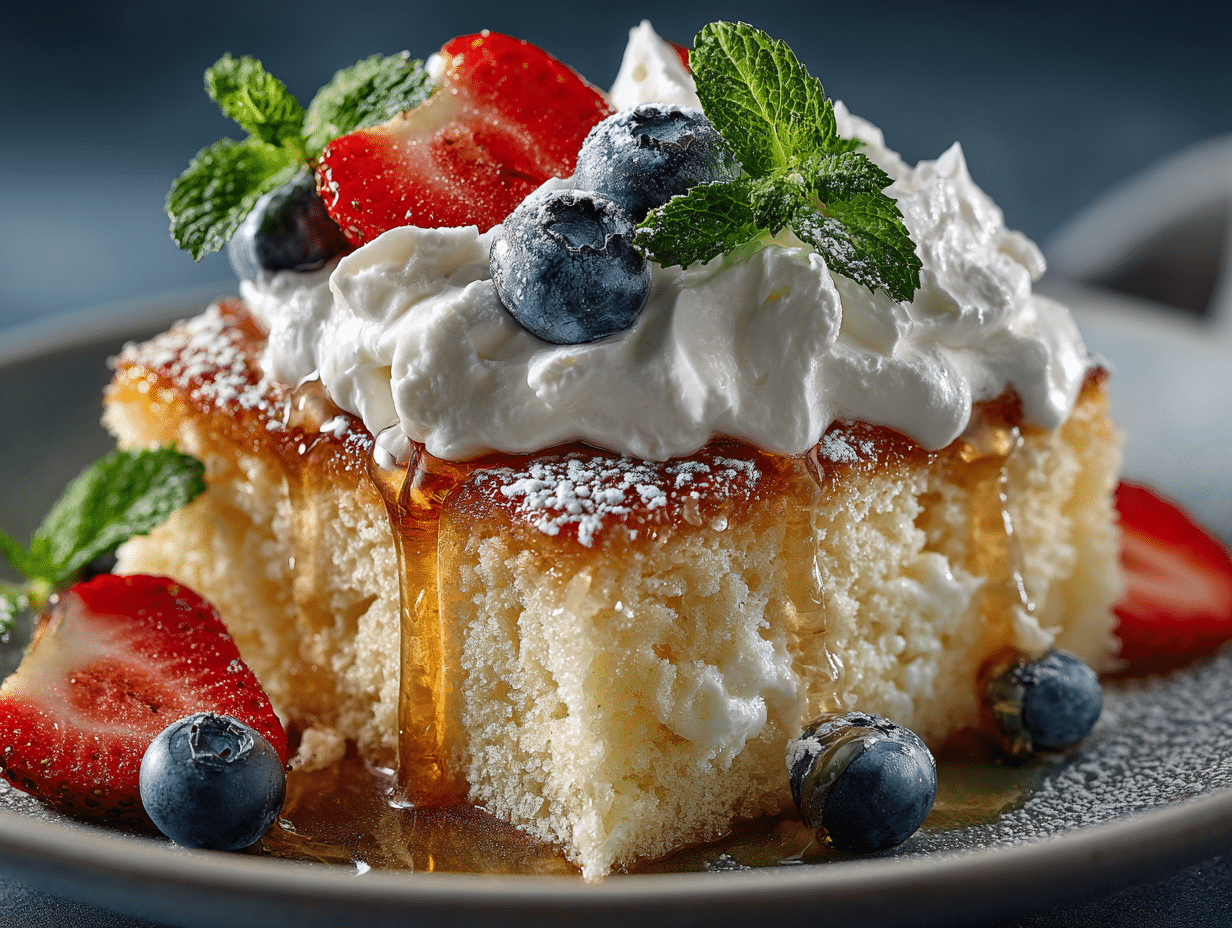
This cake soaks up a trio of milks like a sponge straight out of a cartoon. It’s sweet, milky, and chilled—perfect for warm days or celebrations that stretch into the afternoon.
I love how airy the base cake feels, yet it holds its shape after bathing in milk. That contrast keeps every bite interesting.
Quick Baking Notes:
Poke deep holes so the milk mixture flows into every corner.
9. Ma’amoul (Middle East – Eid & Celebratory Visits)
Ma’amoul are butter cookies stuffed with dates, pistachios, or walnuts. Their patterned shapes make them feel artistic, even if your mould skills (or mine) aren’t perfect. These cookies symbolize generosity, which feels fitting for any table.
They’re delicate, aromatic, and just sweet enough.
Quick Baking Notes:
Don’t skip the short rest for the semolina dough. It softens beautifully.
10. Pavlova (Australia & New Zealand – Holidays & Summer Parties)
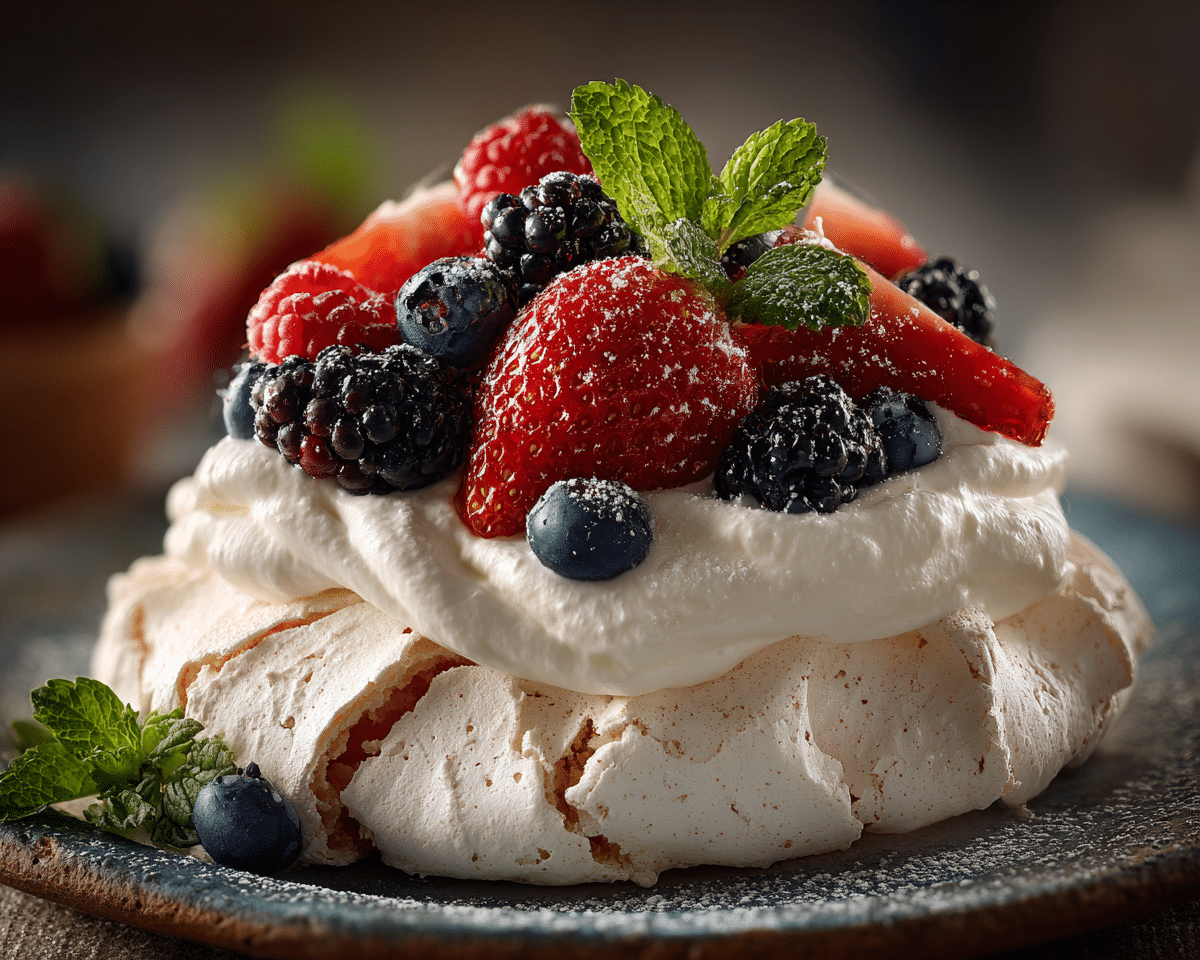
Crisp on the outside, marshmallow-soft inside, topped with cream and fruit—pavlova is dessert theatre. I still remember the first crack of the shell when I sliced into it. Heavenly.
It’s wonderful for summer gatherings, but honestly, I’ve made it in winter just to pretend it’s warm outside.
Quick Baking Notes:
Cool in the oven with the door cracked. That keeps it from collapsing.
Why These Desserts Belong in Your Kitchen Year-Round
Celebration sweets always feel special, but most of these recipes require little fuss. They’re excellent for anyone exploring dessert ideas from around the world—whether you love international desserts, want to try a foreign dessert for the first time, or you’re building a global dessert menu for your next Pinterest post.
Testing recipes from different cultures also sparks creativity. One day you’re frying churros, the next you’re shaping mochi or layering tres leches. Your kitchen turns into a travel adventure. No passport needed.
FAQ
1. Are these desserts beginner-friendly?
Most of them, yes. A few require patience, but none are overly complicated. I tested each one with home bakers in mind.
2. Can I make these ahead of time?
Absolutely. Basbousa, ma’amoul, and almond cookies store well. Tres leches and pavlova taste best the day they’re served.
3. Are these considered traditional desserts from around the world?
Yes, each one holds cultural significance. These sweets appear during holidays, festivals, and family gatherings across different countries.
4. Which dessert should I start with if I’m short on time?
Go for Chinese almond cookies or banoffee pie. Both are fast, simple, and extremely reliable.
5. What’s the best dessert for New Year’s celebrations?
Chinese New Year desserts like almond cookies or Japanese mochi are fantastic, but pavlova and tres leches also work beautifully for New Year’s parties.
6. Are the ingredients hard to find?
Most are pantry staples. Specialty items like orange blossom water or matcha powder are easy to find at international grocery stores.
7. Can I adapt these desserts for dietary needs?
Yes. Many can be adjusted to gluten-free, dairy-free, or vegan with substitutions like coconut milk, almond flour, or dairy-free creams.
