
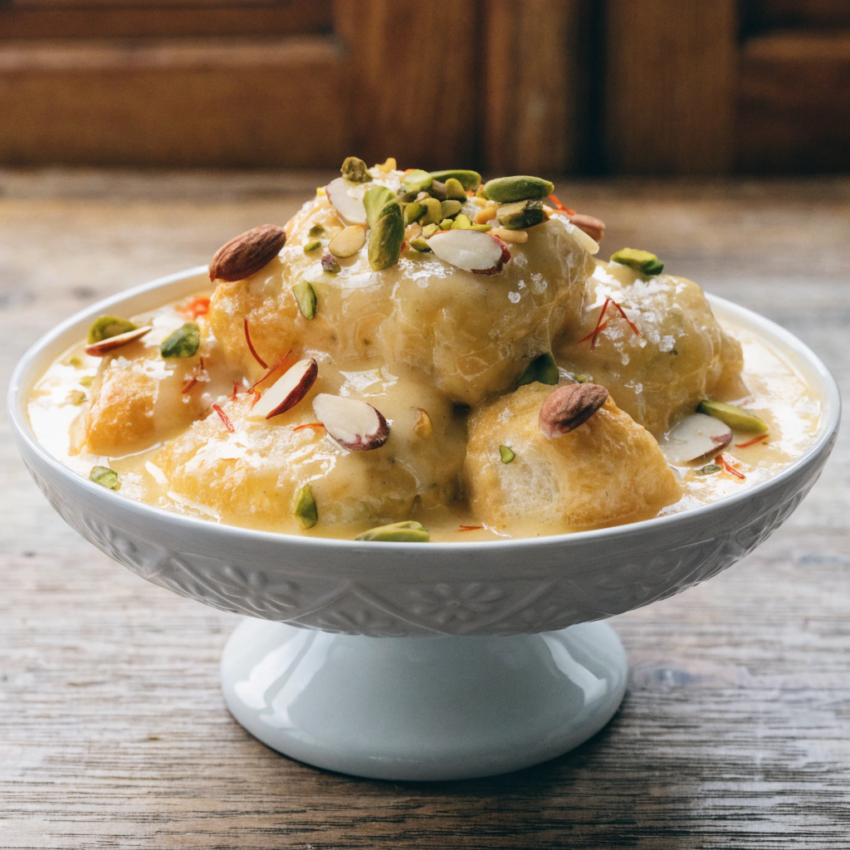
I still remember the first time I made Indian Shahi Tukda bread pudding at home. I thought it would be complicated. Turns out, it’s one of those desserts that looks royal but cooks like comfort food.
Golden fried bread. Thick, creamy rabri. A hint of cardamom. Every bite feels indulgent, yet the steps are simple and approachable.
If you’ve been wondering how to make Shahi Tukda at home without stress, this guide will walk you through it—clearly, quickly, and with a few helpful tricks I’ve picked up along the way.
What Is Shahi Tukda?
Shahi Tukda (also called Shahi Tukra or Shahi Tukray) is a classic Indian bread pudding made with fried bread, sugar syrup, and rich milk (rabri).
It comes from Mughlai cuisine. “Shahi” means royal—and honestly, it tastes like something served in a palace.
You’ll often see it at weddings, festive dinners, or Eid tables. But the best part? You can make this sweet dish with bread in under an hour.
Why You’ll Love This Recipe
- Uses simple pantry ingredients
- Quick to assemble
- Creamy and crunchy at the same time
- Perfect for gatherings or late-night cravings
- Flexible—you can adjust sweetness and richness
And yes, it’s way easier than it looks.
Ingredients You’ll Need
For the Bread Base
- 6 slices white bread (edges removed)
- 3–4 tbsp ghee or oil (for frying)
For Sugar Syrup
- 1/2 cup sugar
- 1/2 cup water
- 2–3 cardamom pods
- Few drops rose water (optional)
For Rabri (Milk Layer)
- 1 liter full-fat milk
- 3–4 tbsp sugar
- 1/4 tsp cardamom powder
- Few saffron strands (optional)
Garnish
- Chopped pistachios
- Chopped almonds
- Silver leaf (optional, but traditional)
How To Make Shahi Tukda (Step-by-Step)
1. Prepare the Rabri
Pour milk into a wide pan. Let it simmer on low heat.
Stir occasionally. Scrape the sides. Let it thicken slowly.
This takes about 25–30 minutes.
Add sugar, cardamom, and saffron. Mix well. Turn off heat once it’s creamy—not too thick, not too runny.
Set aside.
2. Make the Sugar Syrup
In another pan, combine sugar and water.
Add cardamom pods. Let it boil for 5–7 minutes.
You don’t need a thick syrup. Just slightly sticky.
Turn off heat. Add rose water if using.
3. Fry the Bread
Cut bread slices into triangles or rectangles.
Heat ghee in a pan. Fry bread pieces until golden and crisp.
Don’t rush this step. The crunch matters.
Place them on paper towels to remove excess oil.
4. Assemble the Shahi Tukda Dessert
Now the fun part.
Dip each fried bread piece into sugar syrup for a few seconds.
Arrange them in a serving dish.
Pour warm rabri over the top.
Sprinkle nuts generously.
Let it rest for 10–15 minutes before serving.
Texture Tip (Don’t Skip This)
If you like it slightly crispy, serve sooner.
If you prefer soft, pudding-like texture, let it sit longer.
I usually wait 15 minutes. That balance is just right.
Shahi Tukda With Rabri vs Milk Version
Some people search for Shahi Tukda recipe with milk and skip making rabri.
Here’s the difference:
- Rabri version: richer, thicker, more traditional
- Milk version: lighter, faster
If you’re short on time, you can use condensed milk + regular milk as a shortcut.
But if you want that classic Hyderabadi Shahi Tukda flavor, go with slow-cooked rabri.
My Go-To Shortcut (When I’m in a Rush)
I’ll be honest—sometimes I cheat.
Instead of making rabri from scratch, I reduce milk halfway and add a bit of condensed milk.
It cuts time in half and still tastes amazing.
No one has complained yet.
Common Mistakes to Avoid
1. Over-soaking the bread
Don’t leave it in syrup too long. It’ll turn mushy fast.
2. Thin rabri
If your milk isn’t thick enough, the dessert feels flat.
3. Too much sugar
Remember, both syrup and rabri are sweet. Balance matters.
4. Skipping the frying step
Toasting won’t give the same result. Frying gives that signature texture.
Variations You Can Try
1. Baked Shahi Tukda
Skip frying. Brush bread with ghee and bake until crisp.
2. Arabian Bread Pudding Style
Add dates, nuts, and a hint of cinnamon for a Middle Eastern twist.
3. Chocolate Shahi Tukda
Drizzle melted chocolate over the top. Not traditional, but fun.
4. Low Sugar Version
Reduce syrup and sweeten only the rabri.
Serving Ideas
- Serve warm for a cozy dessert
- Chill it for a refreshing summer version
- Plate individually for a Shahi Tukda dessert in bowl presentation
I like serving it slightly warm. The aroma hits differently.
Storage Tips
- Store in the fridge for up to 2 days
- Reheat lightly before serving
- Add a splash of milk if it thickens too much
Avoid freezing. The texture won’t hold up well.
A Little Story From My Kitchen
The first time I served this to friends, I was nervous.
It looked fancy. I thought they’d expect perfection.
One bite in, someone said, “This tastes like something my grandmother made.”
That’s when I realized—this dessert isn’t about perfection. It’s about comfort.
FAQs About Shahi Tukda
1. What is the difference between Shahi Tukda and bread pudding?
Traditional Indian bread pudding like Shahi Tukda uses fried bread and sugar syrup, while Western versions are baked with eggs and milk.
2. Can I make Shahi Tukda without frying?
Yes. You can toast or bake the bread. The texture will be lighter, less rich.
3. How do I make Hyderabadi Shahi Tukda?
Follow the same method but focus on thick rabri and a slightly richer sugar syrup. Garnish generously with nuts.
4. Can I use brown bread?
You can, but the taste changes. White bread gives a softer, classic texture.
5. Is Shahi Tukda served hot or cold?
Both work. Warm is comforting. Chilled feels refreshing.
6. Can I make it ahead of time?
Yes. Assemble it and refrigerate. Add fresh nuts before serving.
7. What does Shahi Tukda taste like?
It’s creamy, sweet, slightly crunchy, and infused with cardamom. Think of it as a rich, aromatic milk dessert.
8. Is it similar to Arabian bread pudding?
There are similarities, especially with milk and bread, but flavors and techniques differ.
Final Thoughts
If you’ve been searching for a simple Shahi Tukda recipe, this is it.
It’s forgiving. It’s flexible. And it delivers every time.
Once you try it, it might just become your go-to dessert for special occasions—or even a quiet weekend treat.
And trust me, there’s something deeply satisfying about turning plain bread into something this indulgent.
