
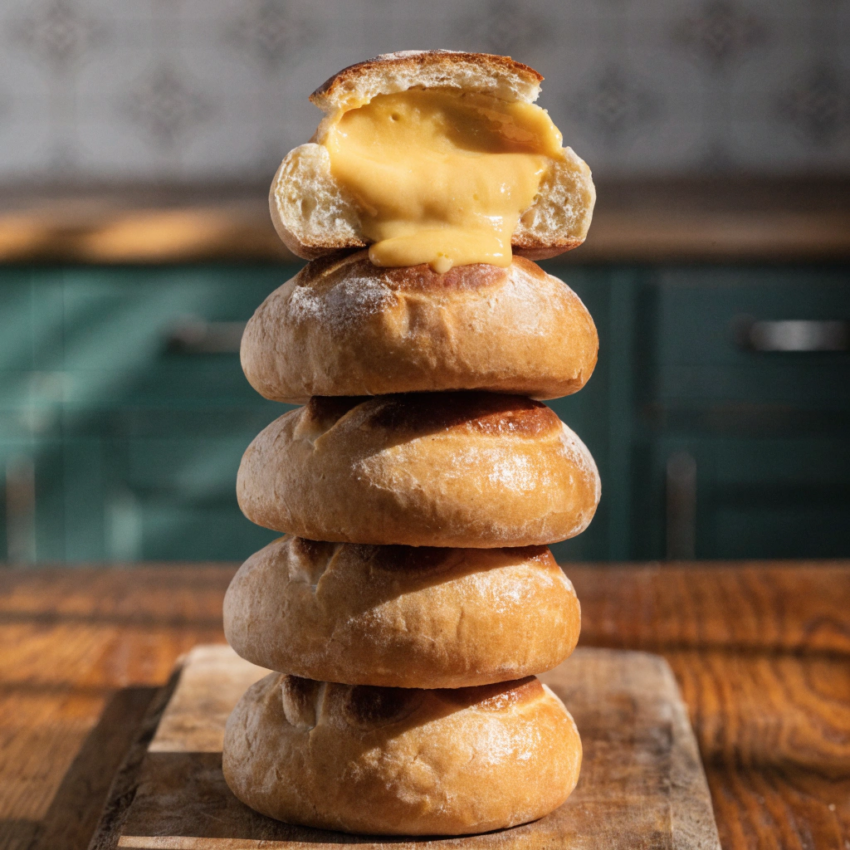
When I first tried Thai sangkhaya custard bread, I was instantly hooked. The soft, pillowy bread wrapped around a rich, silky custard felt like a hug in dessert form. If you love sweet, comforting treats, this one’s going to become your go-to. Today, I’ll show you how to make this vibrant Thai dessert right at home.
This recipe combines classic Thai flavors—like pandan, coconut, and egg custard—with the soft texture of milk bread. It’s a treat you’ll find in bustling Bangkok streets, colorful markets, and local bakeries. Making it at home isn’t just about following a recipe; it’s about recreating that small moment of joy you get from biting into something warm, sweet, and fragrant.
Why Thai Sangkhaya Custard Bread Stands Out
Thai desserts are a delight for the senses. From Thai custard with sticky rice to Thai pumpkin custard dessert, the country has perfected the art of balancing sweetness with texture. Sangkhaya custard bread is no exception. Its charm lies in the contrast—the soft, airy bread against the creamy, flavorful custard inside. And the best part? You can tweak it to your taste: pandan, pumpkin, or even tea-infused variations.
If you’re wondering how this differs from other sweets, think of it as the Asian cousin of a custard bun. It’s lighter than a French pastry and has a natural sweetness from coconut milk and palm sugar, giving it that authentic Thai touch.
Ingredients
Here’s what you’ll need for the bread and custard. I’ve kept the list simple but authentic.
For the Milk Bread:
- 250g all-purpose flour
- 50g sugar
- 5g salt
- 5g instant yeast
- 150ml warm milk
- 30g unsalted butter, softened
- 1 egg
For the Sangkhaya Custard:
- 200ml coconut milk
- 2 eggs
- 80g sugar
- 1 tsp pandan paste (optional, for vibrant color)
- Pinch of salt
These measurements make about 8-10 buns, perfect for sharing or sneaking a few bites for yourself.
Making the Bread Dough
- Activate the yeast: Mix the warm milk with sugar and yeast. Let it sit 5–10 minutes until foamy. This step wakes up the yeast and ensures your bread rises perfectly.
- Mix dry ingredients: In a large bowl, combine flour and salt.
- Combine wet and dry: Add the egg and yeast mixture to the flour. Stir until a shaggy dough forms.
- Knead with butter: Incorporate the softened butter and knead for 8–10 minutes. The dough should be smooth and elastic.
- First rise: Cover the dough and let it rise for 1–2 hours, or until doubled in size.
Tip: If your kitchen is cool, I like placing the dough in an oven with the light on—it keeps the temperature cozy for the yeast.
Preparing the Sangkhaya Custard
- Whisk eggs and sugar: In a bowl, beat the eggs with sugar until well combined.
- Add coconut milk and pandan: Stir in coconut milk, a pinch of salt, and pandan paste if you’re using it.
- Strain the custard: Pour the mixture through a fine sieve. This ensures smooth, silky custard without lumps.
The custard should be pourable but not too thin—like a creamy sauce. This is what makes the custard filling melt in your mouth when baked inside the bread.
Assembling Thai Sangkhaya Custard Bread
Now comes the fun part—filling your soft milk bread with custard. Here’s how I do it:
- Divide the dough: Punch down the risen dough and cut it into 8–10 equal pieces.
- Shape into balls: Roll each piece into a smooth ball.
- Fill with custard: Flatten each ball slightly, then spoon 1–2 tablespoons of the custard into the center. Gently fold the edges over, pinching to seal.
- Second rise: Place the buns on a baking tray lined with parchment paper, seam side down. Cover loosely and let rise 30–40 minutes.
Pro tip: Don’t overfill the buns. Custard can leak out during baking. A little restraint here keeps the bread soft and neat.
Baking
- Preheat your oven to 180°C (350°F).
- Lightly brush the tops of the buns with milk or egg wash for a golden finish.
- Bake for 18–22 minutes until lightly golden.
The smell will instantly transport you to a vibrant Thai street market. Trust me, this is when everyone starts hovering around the kitchen!
Serving Suggestions
Thai sangkhaya custard bread is best served slightly warm. The custard inside is soft, silky, and indulgent. Pair it with:
- A cup of Thai iced tea for a colorful, authentic combo.
- Fresh fruit or a light sprinkle of coconut flakes for texture.
- A cozy afternoon coffee or tea—it’s perfect for sharing, but I won’t judge if you keep all the buns for yourself.
Variations to Try
One of the joys of this dessert is its versatility. Here are some spins you might enjoy:
- Thai Pumpkin Custard Recipe: Swap the pandan custard with pumpkin puree for a seasonal treat. Use a hint of cinnamon or nutmeg for warmth.
- Thai Tea Custard: Infuse the custard with Thai tea leaves for a subtle, aromatic flavor and that signature orange hue.
- Pandan Milk Bread: Add pandan juice to the dough for green, fragrant bread and pair with classic sangkhaya custard.
- Thai Custard with Sticky Rice: Instead of bread, serve the custard over sweet sticky rice—a classic street food dessert.
You can experiment with colors, flavors, and even small fillings like chocolate chips or nuts. The custard remains the star, but these tweaks make it exciting for repeat bakers.
Tips for Perfect Thai Sangkhaya Custard Bread
- Keep the dough soft and elastic. It’s the secret to fluffy buns.
- Strain the custard to avoid lumps. Smooth custard = indulgent bite.
- Don’t overbake. You want a lightly golden crust and soft interior.
- For vibrant color, a drop of pandan paste works wonders.
- Chill leftover custard separately. It keeps well for 2–3 days.
Frequently Asked Questions (FAQ)
Q: Can I make the custard in advance?
Yes! Prepare it a day before. Store in the fridge and fill the buns just before baking.
Q: Can I freeze the buns?
Absolutely. Freeze before baking for up to 1 month. Thaw, let rise, then bake.
Q: Can I use regular milk instead of coconut milk?
You can, but coconut milk gives it that authentic Thai flavor. Consider mixing coconut and regular milk if you prefer a milder taste.
Q: What’s the best way to serve them?
Slightly warm is best. Pair with tea, coffee, or even Thai iced tea for a vibrant combo.
Q: How do I make them colorful like street food?
Use pandan for green or Thai tea for orange. Small drops of natural food coloring work too.
Final Thoughts
Making Thai sangkhaya custard bread at home is easier than it looks. You’ll impress your friends, delight your family, and enjoy a little taste of Thailand right from your kitchen. Once you master the basics, try variations with pumpkin, pandan, or Thai tea custard. Each version is a vibrant Thai dessert recipe worth savoring.
Remember, the joy of this dessert isn’t just in eating it—it’s in the process: kneading, filling, and baking. Treat it like a mini adventure, and you’ll find yourself craving the next batch soon after the first.
