
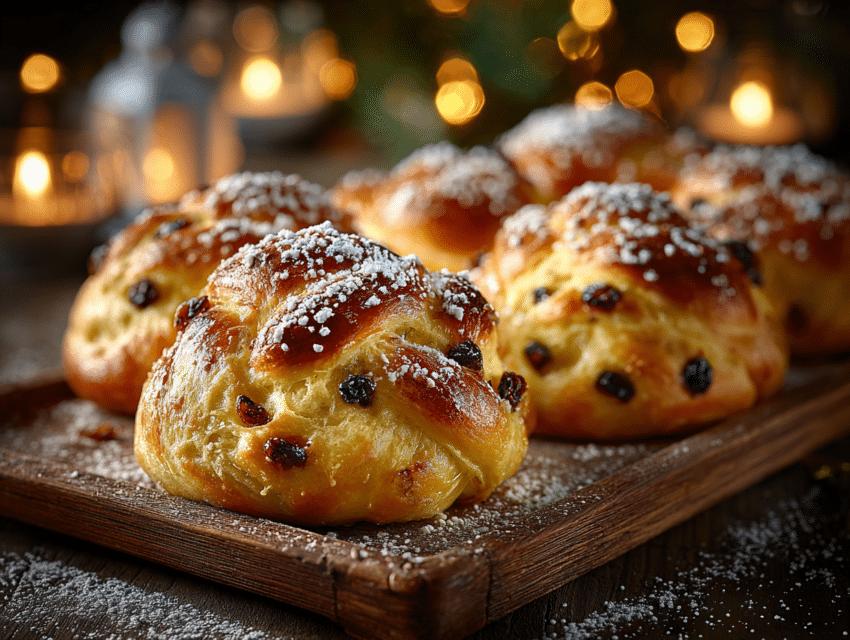
If you’ve ever walked into a Swedish home in December, chances are you’ve been greeted with the warm aroma of Swedish Lussekatter saffron buns. These golden, fragrant buns aren’t just a treat—they’re a story baked into dough. Known for their beautiful S-shape and rich saffron flavor, they’re traditionally made for Saint Lucia Day, celebrated on December 13th, lighting up Swedish homes with cozy charm.
Making these buns at home might sound intimidating, but trust me, it’s easier than it seems. Once you know the steps, you’ll be able to whip up Swedish-style saffron buns that rival any bakery. And yes, the taste is worth every minute!
What Are Lussekatter?
The word lussekatter literally means “Lucia’s cats,” though why cats? Some say the curled shape represents a cat’s tail, a symbol of protection against evil spirits. Others simply think the name is delightfully quirky. Either way, these Swedish saffron buns are soft, golden, and dotted with raisins, making them a visual and tasty centerpiece for any holiday table.
The star of the show is, of course, saffron. This vibrant spice isn’t just for color; it lends a delicate, floral, slightly earthy flavor that sets Saint Lucia saffron buns apart from ordinary sweet buns. A pinch of saffron transforms simple dough into something magical, evoking the cozy warmth of Swedish Christmas traditions.
Ingredients You’ll Need
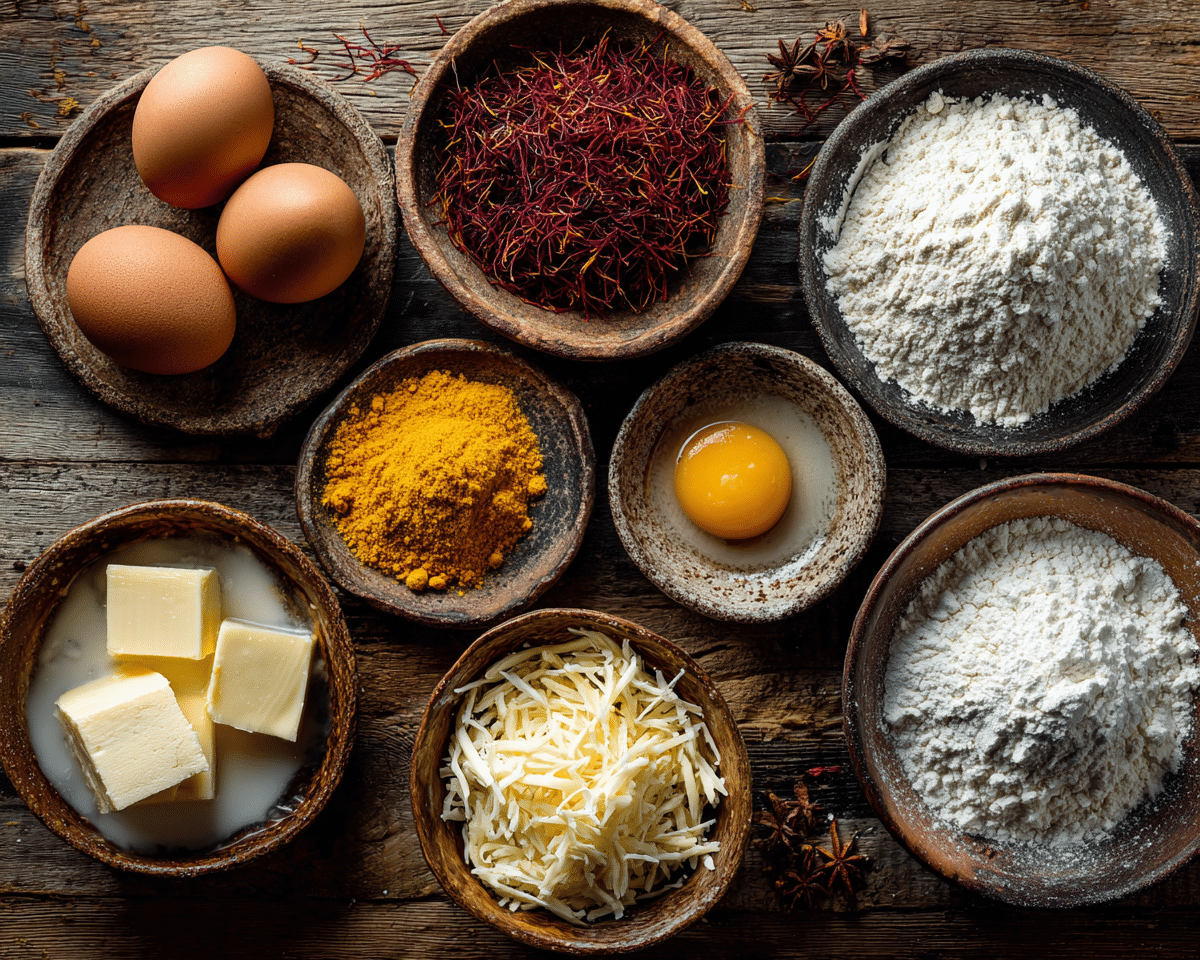
Before you start, gather the following:
- 1 gram saffron threads
- 2 tablespoons warm milk
- 1 cup whole milk
- 2 ½ teaspoons active dry yeast
- ½ cup sugar
- ½ teaspoon salt
- 1 teaspoon ground cardamom
- 4 tablespoons unsalted butter, melted
- 3 ½ cups all-purpose flour
- 1 egg (for brushing)
- Raisins for decoration
Optional: If you want an ultra-soft texture, you can use a tangzhong starter, which gives these buns that pillowy, bakery-style softness.
Step-By-Step: How to Make Swedish Saffron Buns
1. Bloom the Saffron
Crush saffron threads lightly in a mortar. Mix with 2 tablespoons of warm milk. Let it sit for 10–15 minutes. This releases the full aroma and color.
2. Activate the Yeast
Warm the milk (not hot—about 100°F / 38°C) and mix in sugar. Sprinkle the yeast over the top. Wait 5–10 minutes until it bubbles. This shows the yeast is alive and ready to work its magic.
3. Mix the Dough
In a large bowl, combine flour, cardamom, and salt. Add the saffron milk, melted butter, and yeast mixture. Knead until smooth. The dough should be soft but slightly tacky—like a gentle handshake.
4. First Rise
Cover the dough with a clean kitchen towel. Let it rest in a warm place for 1–1.5 hours, or until doubled in size.
5. Shape the Lussekatter
Divide dough into 12–16 pieces. Roll each piece into a rope about 10 inches long. Curl each end toward the center, forming an S-shape. Press a raisin into each spiral’s center.
6. Second Rise
Place shaped buns on a baking tray lined with parchment paper. Cover lightly and let rise 30 minutes. This step is crucial for light, fluffy buns.
7. Bake to Golden Perfection
Preheat oven to 375°F (190°C). Brush buns gently with beaten egg for that shiny, golden finish. Bake 12–15 minutes. Keep an eye on them; you want a deep golden color without overbaking.
Tips for the Perfect Saffron Bun
- Use fresh saffron – Old saffron loses its aroma and color.
- Don’t skimp on cardamom – It complements saffron and adds a warm spice note.
- Raisins placement – Slightly pressed into the dough ensures they don’t pop out during baking.
- Tangzhong method – If you’ve got time, prepare a water-roux for an ultra-soft, bakery-style texture.
Variations to Try
- Cardamom Buns Twist: Add extra cardamom for a punchier flavor.
- Santa Lucia Sweet Saffron Buns: Dust with pearl sugar for festive sparkle.
- Raisin-Free Version: Swap with chocolate chips or dried cranberries.
- Vegan Option: Use plant-based milk and butter; flax egg works perfectly.
Serving Suggestions
These Swedish Lucia saffron buns are perfect with:
- Hot coffee or spiced chai
- Mulled wine or glögg
- A dollop of whipped cream or butter for indulgence
Serve them fresh and warm for a taste that takes you straight to a snowy Swedish village.
Why Make Lussekatter at Home?
Making traditional Swedish saffron buns at home isn’t just about baking. It’s about joining a centuries-old tradition. The process itself feels cozy—kneading dough, smelling saffron, watching buns rise. By baking Lussekatter, you’re inviting Swedish Christmas magic into your kitchen. And honestly, nothing beats the pride of sharing homemade buns with friends or family during the holidays.
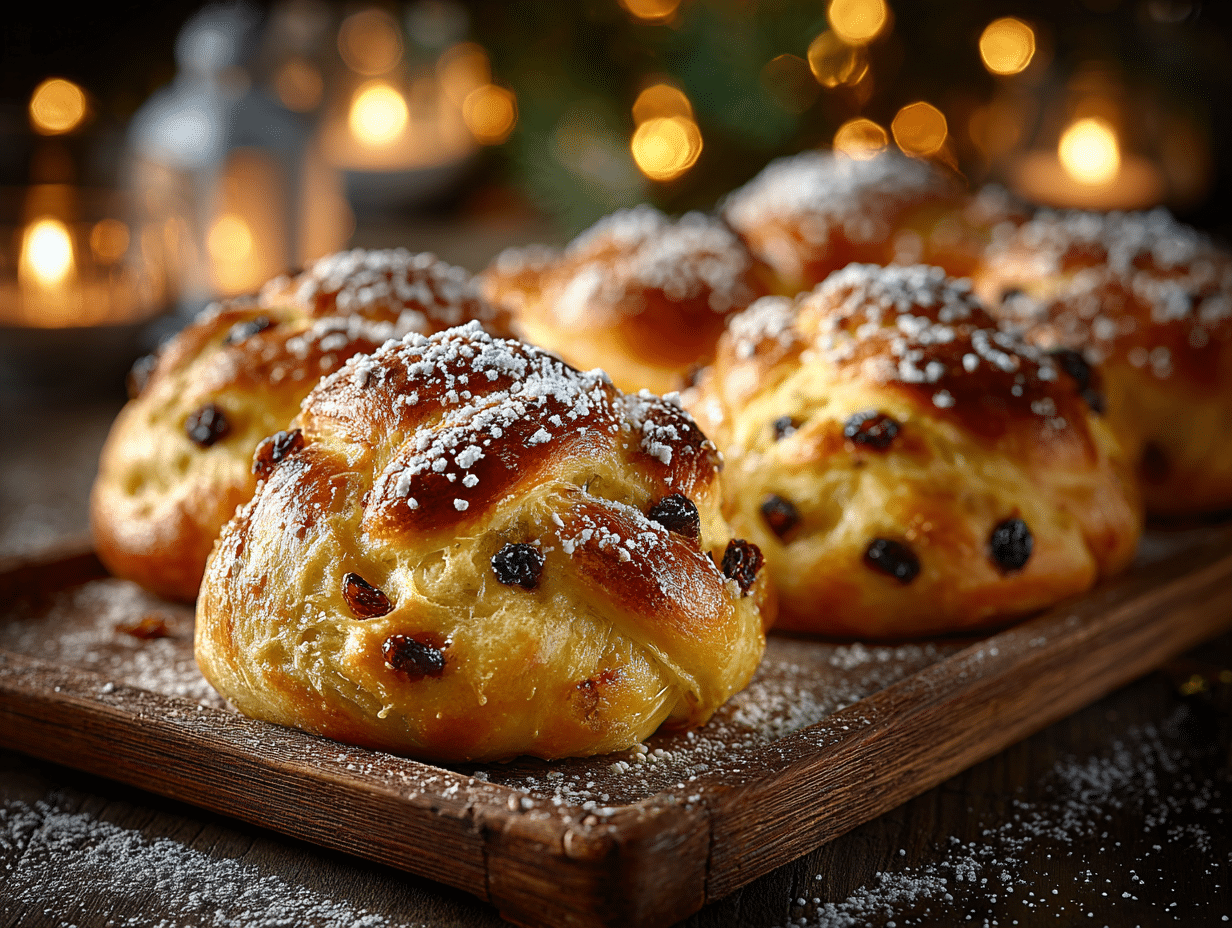
Swedish Lussekatter Saffron Buns
Ingredients
Method
- Bloom the saffron:
- Crush the saffron threads and mix them with 2 tablespoons of warm milk. Let sit for 10–15 minutes to release the color and flavor.
- Activate the yeast:
- Warm the milk (not too hot) and mix in sugar. Sprinkle yeast on top. Let it sit 5–10 minutes until foamy.
- Mix the dough:
- In a large bowl, combine flour, cardamom, and salt. Add saffron milk, melted butter, and yeast mixture. Knead until smooth but slightly sticky.
- First rise:
- Cover the dough and let it rise in a warm place for 1–1.5 hours, until doubled in size.
- Shape the buns:
- Divide dough into 12–16 pieces. Roll each into a 10-inch rope and curl ends toward the center to form an S-shape. Place a raisin in each spiral.
- Second rise:
- Place buns on a parchment-lined tray. Cover lightly and let rise 30 minutes.
- Bake:
- Preheat oven to 375°F (190°C). Brush buns with beaten egg. Bake 12–15 minutes until golden.
Notes
- For extra soft buns, try using a tangzhong starter.
- Store buns in an airtight container for 2–3 days or freeze for longer storage.
- Adjust the number of raisins per bun to your taste.
FAQ
Q1: Can I make Lussekatter ahead of time?
Yes! Store baked buns in an airtight container for 2–3 days. For longer storage, freeze and reheat in the oven.
Q2: Can I substitute saffron with turmeric?
Technically yes, but turmeric won’t replicate the flavor. It only gives color, not that signature floral, sweet aroma.
Q3: Why are my buns dense?
Likely reasons: yeast was old, dough didn’t rise enough, or over-flour during kneading. Keep dough soft and let it rise properly.
Q4: Can I use instant yeast?
Absolutely. Just mix with flour directly, slightly reduce proofing time, and you’re good.
Q5: Can I make mini Lussekatter?
Definitely! Adjust baking time to 8–10 minutes. They’re perfect bite-sized treats for parties.
