
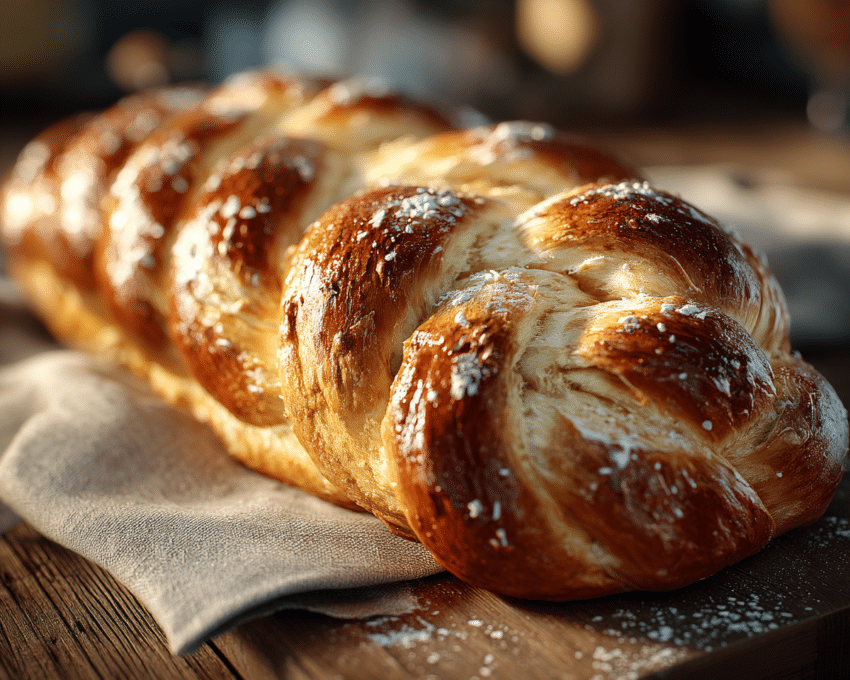
Polish chalka sweet braided bread is the kind of loaf that makes people hover near the kitchen. It smells gentle. Slightly sweet. Warm like a hug you didn’t know you needed.
This bread sits right between everyday comfort and holiday tradition. You’ll see it on Polish Easter tables. You’ll also see it sliced thick for breakfast, spread with butter, and eaten quietly before the house wakes up.
Chalka has cousins. Challah. Houska bread recipe styles. Even kulich traditional Russian Easter bread shares similar roots. But Polish chalka sweet braided bread has its own character. Soft crumb. Light sweetness. Braids that feel celebratory without feeling fancy.
What Is Polish Chalka Sweet Braided Bread?
Chalka is a Polish braided bread made with yeast, milk, eggs, and a touch of sugar. The dough is enriched, which gives it that pillowy texture people fight over.
It’s often compared to challah bread. That comparison isn’t wrong. But chalka is usually softer and slightly sweeter. Think less ceremonial. More cozy.
You’ll find it under different names across Poland:
- Kucha Polish sweet bread
- Placek Polish bread
- Polish Easter bread
- Polish holiday bread
Same idea. Braided dough. Family table. Shared slices.
Why This Bread Matters in Polish Recipes
Bread plays a quiet role in Polish food culture. It shows up early. It stays late.
During Polish Easter, braided breads appear in the traditional Polish bread basket. They sit beside eggs, sausage, and salt. Chalka often stands in for celebration and care.
But it’s not limited to holidays. Many families bake it year-round for delicious family dinners or lazy Sundays.
This loaf doesn’t shout. It comforts.
Flavor and Texture: What to Expect
Let’s set expectations clearly.
- Soft interior
- Gentle sweetness
- Thin golden crust
- Slight egg richness
No heavy spices. No overpowering sugar. This is bread you can eat plain. Or toast. Or turn into French toast the next day.
If it lasts that long.
Ingredients for Polish Chalka Sweet Braided Bread
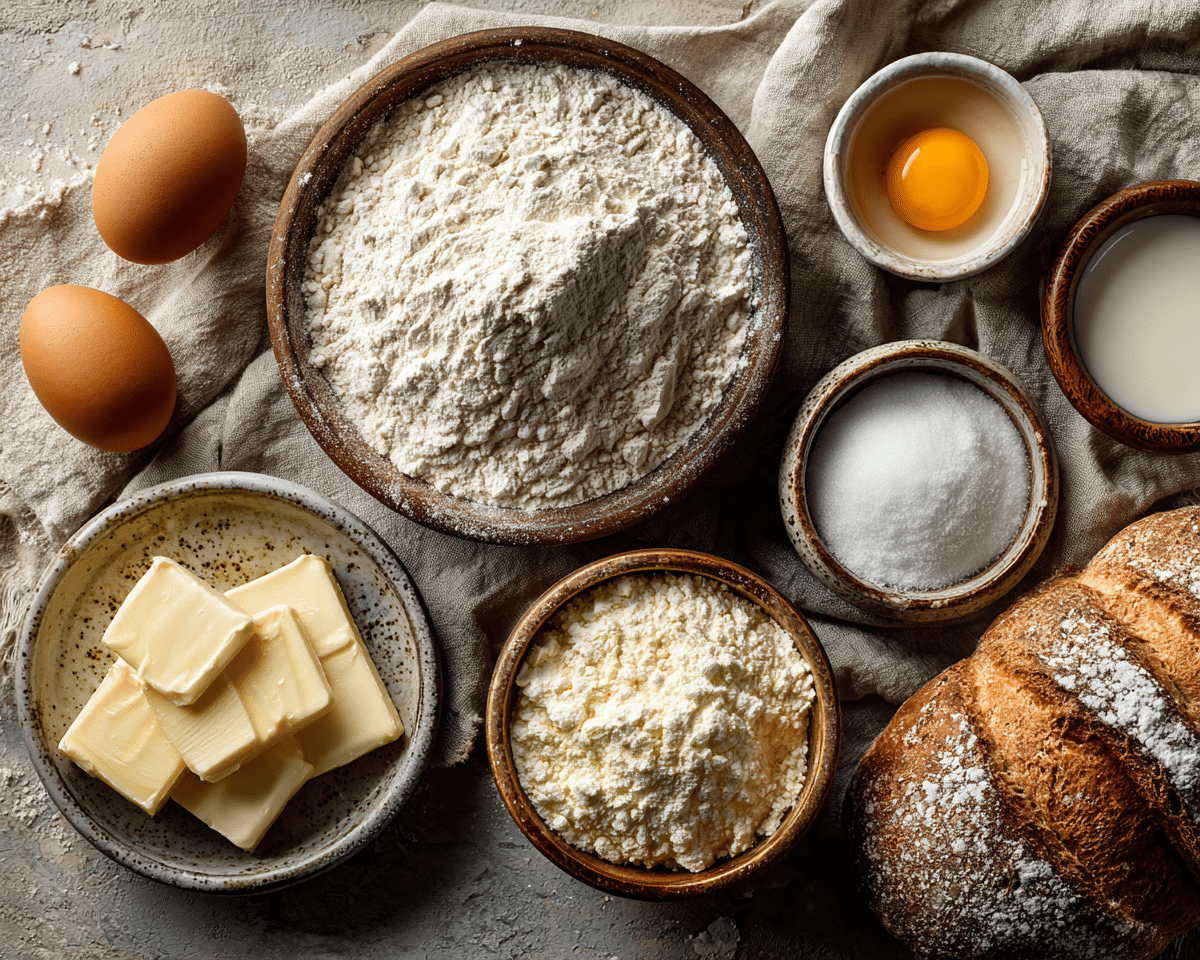
Everything here is simple. No hard-to-find items.
You’ll need:
- 4 cups all-purpose flour
- 2 ¼ teaspoons active dry yeast
- ¾ cup warm milk
- ¼ cup sugar
- 2 large eggs
- ¼ cup unsalted butter, melted
- 1 teaspoon salt
For the topping (optional but recommended):
- 1 egg yolk
- 1 tablespoon milk
That’s it. No fillers. No distractions.
How To Make Polish Sweet Bread (Step-by-Step)
Take your time here. Bread can sense rushing. It always rebels.
Step 1: Wake the yeast
Pour warm milk into a bowl. Add sugar and yeast. Stir once. Wait 5–10 minutes until foamy.
If nothing happens, stop. Get new yeast. Bread deserves better.
Step 2: Build the dough
Add eggs, melted butter, and salt to the yeast mixture. Stir gently.
Start adding flour, one cup at a time. Mix until a soft dough forms.
Step 3: Knead
Turn the dough onto a lightly floured surface. Knead for 8–10 minutes.
It should feel elastic. Smooth. Slightly tacky, not sticky.
This part is therapy. Lean into it.
Step 4: First rise
Place dough in a greased bowl. Cover. Let it rise until doubled, about 1 to 1½ hours.
Warm kitchen helps. Drafts don’t.
Step 5: Shape the braid
Punch down the dough. Divide into three equal pieces.
Roll each into a rope. Line them up. Braid gently. Don’t pull tight.
Transfer to a lined baking sheet.
Step 6: Second rise
Cover again. Let rise 30–40 minutes until puffy.
This is when it starts looking like bread worth bragging about.
Step 7: Egg wash
Mix egg yolk and milk. Brush lightly over the braid.
This gives that classic Polish sweet bread glow.
Step 8: Bake
Bake at 350°F (175°C) for 30–35 minutes.
If it browns too fast, tent loosely with foil.
Cool slightly. Slice while warm if you’re impatient. I usually am.
Common Variations You’ll See
Polish recipes love flexibility.
- Some add raisins
- Others sprinkle sugar on top
- A few go richer with extra eggs
You’ll even see versions leaning closer to challah or houska bread recipe styles.
All are valid. Bread traditions travel through hands, not rulebooks.
How This Differs From Challah Bread
They look alike. They behave differently.
Challah:
- Often less sweet
- Usually dairy-free
- More structured crumb
Polish chalka sweet braided bread:
- Uses milk and butter
- Softer bite
- Slight dessert vibe
Both belong at the table. They just tell different stories.
Serving Ideas (Beyond Easter)
This loaf doesn’t need a holiday excuse.
Try it:
- With butter and honey
- Toasted with jam
- Turned into French toast
- Alongside soup
- With coffee and silence
It also works well for Polish desserts when lightly sweetened toppings are added.
Bread Nutrition (Simple Breakdown)
This isn’t health food. It’s comfort food.
That said, here’s what you’re getting per slice (approximate):
- Carbohydrates for energy
- Protein from eggs and milk
- Fats from butter
- Minimal sugar
It fits nicely into balanced eating when enjoyed mindfully. Bread isn’t the enemy. Portion sizes are the conversation.
Storage Tips
- Store at room temperature for 2 days
- Wrap tightly to keep softness
- Freeze slices for later
To refresh, warm briefly in the oven. It wakes right back up.
Cultural Connections Worth Knowing
Chalka doesn’t stand alone.
You’ll find similar breads across Europe:
- Bialy Polish bread traditions
- Kulich traditional Russian Easter bread
- Czech houska
- Jewish challah
Different names. Shared comfort.
Bread travels. People stay connected.
Why I Love Baking This Bread
I bake this when I want quiet joy.
No gadgets. No trends. Just hands, dough, and patience.
It reminds me why baking matters. It slows the day. It feeds people. It smells like care.
That’s enough.
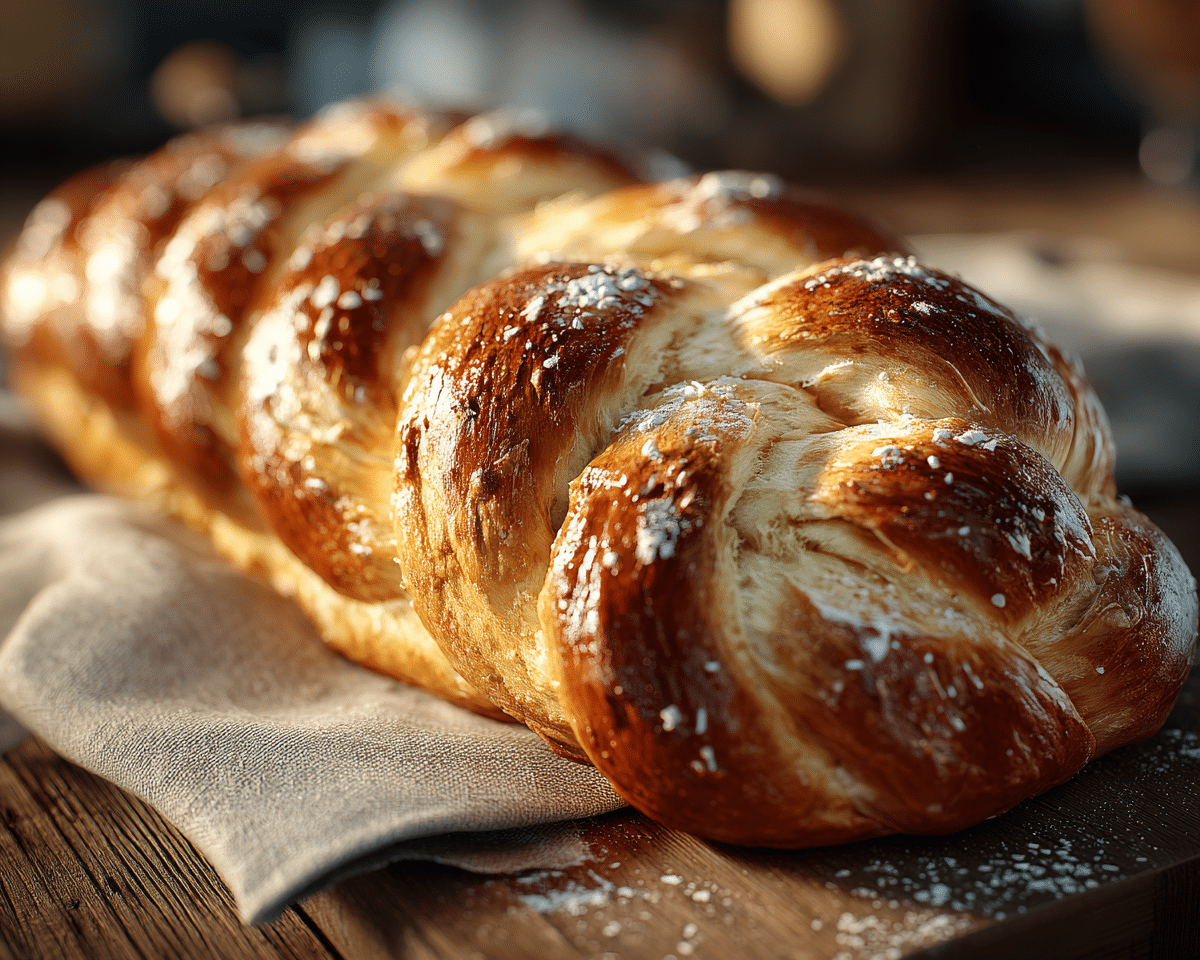
Polish Chalka Sweet Braided Bread
Ingredients
Method
- Pour warm milk into a large bowl. Add sugar and yeast. Stir once and let it sit for 5–10 minutes until foamy.
- Add eggs, melted butter, and salt to the yeast mixture. Stir gently until combined.
- Add flour one cup at a time. Mix until a soft dough forms.
- Turn dough onto a lightly floured surface. Knead for about 8–10 minutes until smooth and elastic.
- Place dough in a greased bowl. Cover and let rise for 1 to 1½ hours, or until doubled in size.
- Punch down dough. Divide into three equal pieces. Roll each into a long rope. Braid gently and pinch the ends.
- Place braided dough on a lined baking sheet. Cover and let rise for 30–40 minutes until puffy.
- Mix egg yolk and milk. Brush lightly over the braid.
- Bake at 350°F (175°C) for 30–35 minutes, until golden brown. Cool slightly before slicing.
Notes
- If the bread browns too fast, loosely cover with foil during baking.
- This bread freezes well once sliced.
- Best eaten fresh, but also great toasted the next day.
- If your kitchen is cool, rising may take a little longer. That’s normal.
Frequently Asked Questions
Is Polish chalka sweet braided bread the same as challah?
No. They’re related, but chalka is usually softer and sweeter. It also uses dairy more often.
Can I make this bread ahead of time?
Yes. Bake it a day before. Store tightly wrapped. Warm before serving.
Is this a traditional Polish Easter bread?
Yes. It often appears during Polish Easter and holidays, especially in bread baskets.
Can I add fillings?
You can. Raisins or dried fruit work well. Keep it light so the braid holds.
Can I use instant yeast?
Yes. Skip the blooming step and mix directly with dry ingredients.
Is this bread good for beginners?
Absolutely. It’s forgiving and teaches good dough feel.
How does this compare to placek Polish bread?
Placek can be flatter or cake-like. Chalka is lighter and braided.
Can I freeze it?
Yes. Slice first. Freeze up to 2 months.
Final Thoughts
Polish chalka sweet braided bread isn’t flashy. It doesn’t need to be.
It’s the bread you reach for twice.
The loaf that disappears quietly.
The one people ask about later.
Bake it once. It’ll find its way back into your kitchen.
