

There’s something deeply comforting about sweet bread. Maybe it’s the warm spices. Maybe it’s the soft, stretchy crumbs that pull apart like clouds. Or maybe it’s the joy of sharing it with people you love. Greek tsoureki sweet bread gives you all of that in one braided loaf.
This recipe sits at the center of many Greek Easter tables, but honestly, I make it any time I’m craving something tender and fragrant. Tsoureki has a signature flavor: a little orange, a little vanilla, and a special hint of mahlepi. That blend makes it different from typical Easter bread.
If you’ve never baked Greek tsoureki before, don’t worry. I’ll walk you through it like we’re baking together in my kitchen.
What Makes Greek Tsoureki Special?
Think of tsoureki as the Greek cousin of brioche. It’s soft, slightly sweet, and enriched with butter, milk, and eggs. But this bread stands out because of mahlepi. It gives the dough an aroma that’s almost floral—something you can’t quite describe but instantly love.
Traditional Greek tsoureki is braided, shiny on top, and sometimes decorated with a bright red egg. Families vary the style—some add almonds, others tuck chocolate inside. Over the years, I’ve experimented with both, and they’re all delicious in their own way.
If you’ve been curious about Greek Easter sweet bread or browsing Greek Easter recipes, this guide will take you step by step through the process.
Ingredients You’ll Need for Greek Tsoureki Sweet Bread
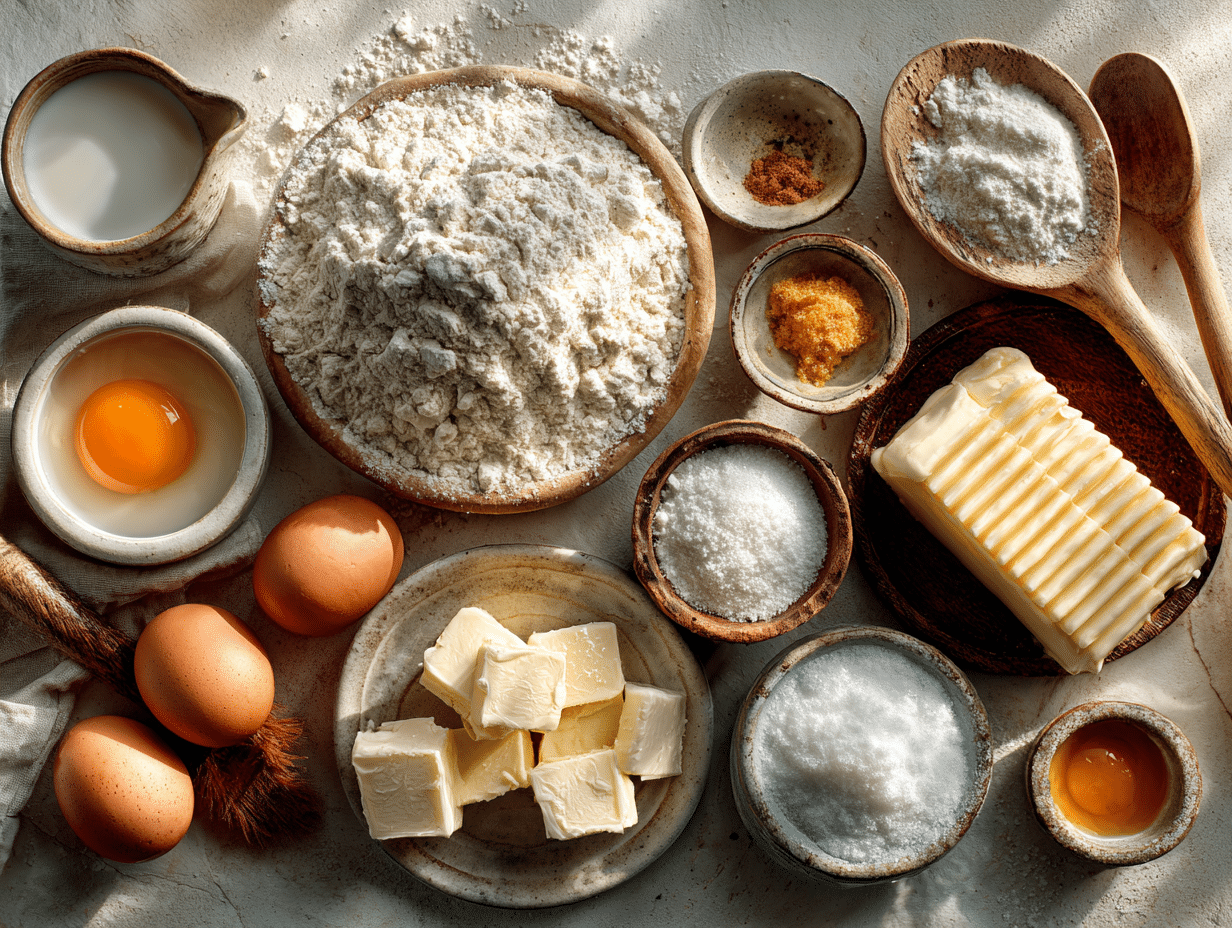
These are the basics. Nothing fancy. Just ingredients that bring big flavor.
- All-purpose flour
- Warm milk
- Active dry yeast
- Sugar
- Eggs
- Unsalted butter
- Orange zest
- Vanilla
- Mahlepi (ground)
- Salt
Optional add-ins:
- Sliced almonds
- Dark chocolate pieces
- Red-dyed Easter egg for decoration
If you can’t find mahlepi, you can substitute a little cardamom. It won’t taste exactly the same, but it’ll still give the bread depth.
How to Make Greek Tsoureki Sweet Bread
This recipe looks long at first glance, but it’s actually simple. The dough does most of the work while you sip something warm and relax.
1. Activate the Yeast
Warm milk, a bit of sugar, and yeast go into a bowl. Let them sit. You should see bubbles forming. If you don’t, the yeast might be old. Toss it and start fresh. Bread deserves active yeast.
2. Mix the Dough
In a large bowl, combine the sugar, eggs, orange zest, vanilla, and mahlepi. Pour in the yeast mixture, then add your flour. I usually hold back a small amount of flour so I can adjust if needed. Different climates behave differently, and dough feels different on dry days versus humid ones.
Add the melted butter slowly. This step gives tsoureki its signature softness.
3. Knead Until Smooth
You’re looking for a dough that stretches without tearing. I like to test a small piece by pulling it gently—kind of like checking a balloon before blowing it up. If it stretches thin, you’re good.
4. First Rise
Cover the bowl and let the dough rise. You want it puffy and airy. Sometimes it doubles, sometimes it grows a bit less. Don’t stress. Tsoureki dough can be moody, but it always bounces back in the oven.
5. Shape the Braids
Divide the dough. Roll each section into long ropes. Braid them as if you’re braiding hair. Don’t pull too tight—the dough needs room to expand.
If you want to add chocolate, press pieces inside each rope before braiding. That’s my go-to version when I’m making it for friends.
6. Second Rise
Once braided, let the dough rest again. This gives the bread its final pillowy lift.
7. Brush, Decorate, and Bake
Brush the top with egg wash for shine. Add almonds if you’d like or tuck a red egg into the braid for a classic Greek Easter bread look.
Bake until golden, then cool slightly before slicing. The scent will make you hover near the oven like a cartoon character floating toward a pie.
Tips for a Soft, Shiny Tsoureki
Over the years, I’ve picked up a few little tricks. They’re simple, but they make a difference.
Use fresh spices
Mahlepi loses its aroma fast. If yours smells faint, you’ll miss that signature tsoureki flavor.
Warm ingredients work best
Cold eggs slow the dough down. I place mine in warm water for a few minutes before mixing.
Don’t rush the rise
Tsoureki develops flavor during the rise. Give it time. Walk away. Clean the counter. Stretch. It’ll reward you later.
Brush twice
I do one light egg wash before baking and one more after five minutes in the oven. It gives the bread a glossy finish that looks bakery-level.
Variations You Can Try
Greek tsoureki is flexible. Here are a few fun versions that fit both traditional and modern Easter tables.
Chocolate-Filled Tsoureki
A personal favorite. Add chocolate pieces inside the dough ropes before braiding. As it bakes, the chocolate softens and creates pockets of richness.
Greek Easter Bread with Red Eggs
Press one or more dyed red eggs into the braid before baking. This is symbolic in Greek Orthodox Easter celebrations and adds a pop of color.
Traditional Greek Sweet Bread with Almonds
Sprinkle slivered almonds on top. They toast beautifully and add a little crunch.
Flaounes-Inspired Twist
While not actual flaounes, you can blend a few Mediterranean spices or cheeses for a playful nod to the Cypriot version. It’s a fun experiment for seasoned home bakers.
Simple Braided Bread
Leave out the add-ins and stick to a classic braid. It’s perfect for brunch and makes incredible French toast the next day.
How to Serve Greek Tsoureki
You can enjoy tsoureki warm, sliced thick, with butter that melts instantly. Or serve it with jam. Or toast it the next day with a little honey.
Some families enjoy it plain with coffee after Easter Sunday lunch. Others use it as a base for Easter desserts.
One year, I even turned leftover tsoureki into bread pudding. It disappeared in minutes.
How to Store Your Tsoureki
Tsoureki stays soft for several days because of its enriched dough. Store it in foil or in an airtight container.
You can also freeze it. Wrap slices individually and freeze them for up to three months. They reheat beautifully.
Why This Tsoureki Recipe Works
This method gives you:
- Soft strands that pull apart
- A fragrant, slightly sweet finish
- A shiny top
- Braids that hold their shape
- A dough that’s easy to handle, even if you’re new to baking
It’s classic, accessible, and flexible. Whether you’re celebrating Greek Easter or just exploring Greek desserts, this recipe fits any table.
Greek Tsoureki Sweet Bread (Printable Recipe)
Ingredients
- 4½ cups all-purpose flour
- 1 cup warm milk
- 2¼ tsp active dry yeast
- ½ cup sugar
- 2 large eggs
- 4 tbsp butter, melted
- 1 tbsp orange zest
- 1 tsp vanilla
- 1 tsp mahlepi
- ½ tsp salt
Optional:
- Almonds
- Chocolate pieces
- Red Easter egg
Instructions
- Mix warm milk, yeast, and 1 tsp sugar. Let it foam.
- In a bowl, mix sugar, eggs, zest, vanilla, mahlepi, and salt.
- Add yeast mixture. Add flour gradually.
- Add melted butter slowly, mixing until dough forms.
- Knead until smooth and stretchy.
- Cover and rise until puffy.
- Divide dough and shape into braids.
- Rest again for 30–45 minutes.
- Brush with egg wash. Add almonds or decorate.
- Bake at 350°F (175°C) for 25–30 minutes.
- Cool before slicing.

Greek Tsoureki Sweet Bread
Ingredients
Method
- Warm the milk until it feels like a warm bath. Add the yeast and 1 teaspoon of the sugar. Stir and let it sit for about 8–10 minutes. It should look foamy on top.
- In a large bowl, whisk the eggs, the rest of the sugar, orange zest, vanilla, mahlepi, and salt. Mix until combined.
- Pour the foamy yeast mixture into the bowl. Add the flour a little at a time, mixing as you go. The dough will look sticky in the beginning.
- Slowly pour in the melted butter while mixing. Keep kneading until the dough becomes smooth and stretchy. It should pull away from your hands but still feel soft.
- Place the dough in a lightly oiled bowl. Cover it with a clean towel. Let it rise in a warm place for about 1½ to 2 hours or until it becomes puffy.
- Once risen, punch down the dough gently. Divide it into three equal pieces. Roll each piece into a long rope. Braid the ropes just like braiding hair. Tuck the ends underneath. Place the braid on a baking sheet lined with parchment.
- Cover the braided dough and let it rise again for 30–45 minutes. It should look fuller and airy.
- Beat 1 egg and brush it over the dough. Add sliced almonds if you want. If you’re using a red egg for Greek Easter, nestle it into the braid before baking.
- Bake at 350°F (175°C) for 25–30 minutes. The loaf should turn golden brown and sound hollow when tapped on the bottom.
- Let it cool for at least 20 minutes before slicing. This helps the inside set properly.
Notes
- If you can find fresh mahlepi, the flavor will be much better. Older mahlepi loses aroma quickly.
- If the dough feels too sticky, add just 1–2 tablespoons of flour at a time. Try not to add too much or the bread will lose its soft texture.
- The bread stays soft for several days if wrapped tightly. It also freezes well.
- This bread makes amazing French toast the next day.
FAQ
What is mahlepi and can I replace it?
Mahlepi is a spice made from cherry pits. It’s used in many traditional Greek breads. If you can’t find it, use a pinch of cardamom as a substitute.
Is tsoureki the same as brioche?
They’re cousins in texture, but tsoureki has distinct aromas from mahlepi and orange zest.
Why did my tsoureki turn dense?
The dough likely didn’t rise long enough. Warmth and patience help it achieve a lighter texture.
Can I add chocolate?
Absolutely. Add pieces inside each dough rope before braiding.
How long does tsoureki stay fresh?
It stays soft for several days if wrapped well. You can also freeze it.
