
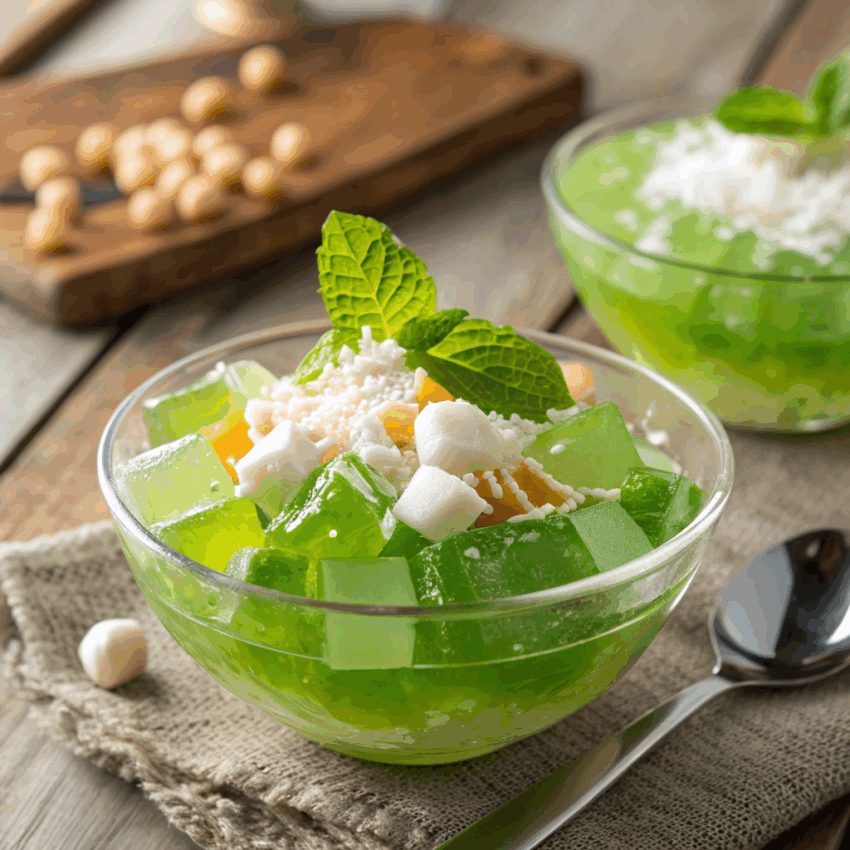
If you’ve ever been curious about Filipino desserts, buko pandan is a must-try. This creamy, fragrant, and slightly sweet dessert blends young coconut, pandan-flavored gelatin, and sago pearls into a refreshing treat that’s perfect for warm days—or any day, really. Think of it as the ultimate tropical hug in a bowl.
The best part? It’s deceptively simple to make. Whether you’re a seasoned home baker or a curious foodie, this recipe will walk you through each step without any complicated jargon or unnecessary steps. By the end, you’ll be scooping out a bowl of green-tinted goodness that tastes as vibrant as it looks.
What is Buko Pandan?
“Buko” means young coconut in Tagalog, and “pandan” comes from the fragrant leaves used to flavor the jelly. Together, they form the base of this iconic Filipino dessert. Traditionally, it’s served chilled, making it one of the most popular cold desserts in the Philippines. Its light coconut flavor, paired with sweet pandan jelly, is like summer in your mouth.
Some variations include sago pearls, nata de coco, or even cream cheese for a modern twist. Each addition adds texture, turning a simple dessert into a playful mix of chewy, creamy, and gelatinous bites. That’s why you might also see it labeled as Buko Pandan With Sago or Buko Pandan Gelatin on different recipe lists.
Ingredients You’ll Need
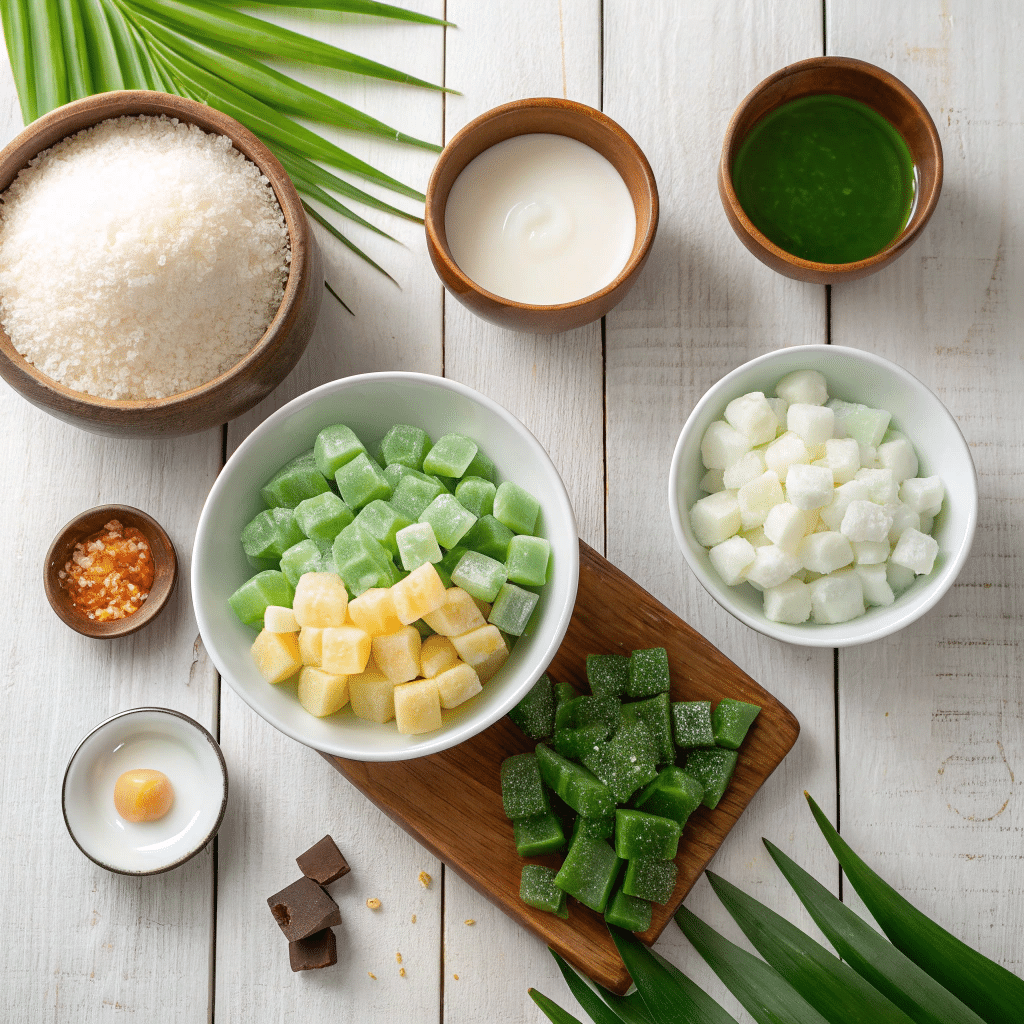
To make this Filipino buko pandan salad, you’ll need a handful of ingredients that are easy to find:
- 2 cups young coconut strips (buko)
- 1 cup pandan-flavored gelatin, cut into cubes
- ½ cup small sago pearls
- 1 cup sweetened condensed milk
- 1 cup heavy cream (or all-purpose cream)
- ½ cup sugar (adjust based on sweetness preference)
- 1 tsp pandan extract (optional for extra aroma)
Optional additions for extra fun:
- Nata de coco
- Ripe mango cubes
- Toasted coconut flakes
This is a recipe that balances simplicity and flavor. Each ingredient plays its role without overcomplicating the dessert.
How to Make Buko Pandan Filipino Salad Dessert
I’ll guide you through a straightforward, no-fuss method that anyone can follow. Ready? Let’s go.
Step 1: Cook the Sago Pearls
Sago pearls add chewiness that makes every bite interesting. Boil water in a medium saucepan. Add sago and cook for about 10–15 minutes until translucent. Drain and rinse under cold water to remove excess starch. Set aside.
Step 2: Prepare the Pandan Jelly
If you’re using store-bought pandan gelatin, cut it into small cubes. For homemade gelatin, dissolve agar-agar or gelatin powder with water, sugar, and pandan juice or extract, let it set, then cube. This step gives the dessert its iconic green hue and delicate pandan flavor.
Step 3: Mix the Coconut and Cream
In a large mixing bowl, combine the young coconut strips, cooked sago, and pandan cubes. Pour in the sweetened condensed milk and cream. Fold everything gently to coat the ingredients without breaking the jelly cubes. Taste and adjust sweetness if necessary.
Step 4: Chill Before Serving
Cover the bowl and refrigerate for at least 2 hours. Chilling allows the flavors to meld and gives you that creamy, refreshing bite typical of classic Filipino desserts.
Step 5: Serve and Enjoy
Scoop into small bowls and garnish with optional toasted coconut or fruit. Take a moment to admire the pale green swirls before you dig in. Each spoonful is soft, creamy, and slightly chewy—a true tropical delight.
Tips for Perfect Buko Pandan Salad
- Use fresh buko if possible: Canned works, but fresh coconut makes it sing.
- Balance sweetness: The condensed milk is sweet; taste before adding extra sugar.
- Chill well: This dessert tastes best cold.
- Add textures: Nata de coco or mango cubes elevate the dish visually and texturally.
Creative Twists on Buko Pandan
While the classic Buko Pandan Salad is already delightful, there’s room to play. Here are a few ideas to keep your dessert exciting:
1. Buko Pandan Cheesecake
Combine a creamy cheesecake base with pandan-flavored gelatin cubes and young coconut strips. The result is a layered dessert with a tropical twist, perfect for special occasions. This is one of my favorite Filipino dessert recipes to serve when I want to impress without too much fuss.
2. Pandan Biko Version
Biko is a sticky rice cake cooked with coconut milk and brown sugar. Incorporating pandan flavor into a biko base creates a warm, slightly chewy dessert that echoes the flavors of traditional Buko Pandan, but with a comforting texture twist.
3. Mixed Fruit Buko Pandan
Adding diced tropical fruits—like mango, jackfruit, or even pineapple—turns your salad into a festive medley. This variation is reminiscent of Filipino fruit salad, but with that signature pandan aroma and young coconut texture.
Why Buko Pandan is a Filipino Favorite
You might wonder why this dessert has stood the test of time. Here’s the scoop:
- Refreshing and light: Unlike heavy desserts, Buko Pandan is airy, creamy, and ideal for hot weather.
- Chewy textures: Sago pearls, gelatin cubes, and buko strips create a playful mouthfeel.
- Versatile: You can keep it simple, or elevate it with fruits, nata de coco, or even cream cheese.
- Family-friendly: Kids and adults alike adore its sweet, tropical flavor.
It’s easy to see why this Filipino Buko Pandan Salad is a staple at family gatherings, fiestas, and casual get-togethers alike.
Buko Pandan Salad Ingredients: Quick Reference
Here’s a condensed list for convenience:
- Young coconut strips (buko)
- Pandan-flavored gelatin
- Small sago pearls
- Sweetened condensed milk
- Heavy cream
- Sugar
- Pandan extract (optional)
- Optional add-ins: nata de coco, mango, toasted coconut
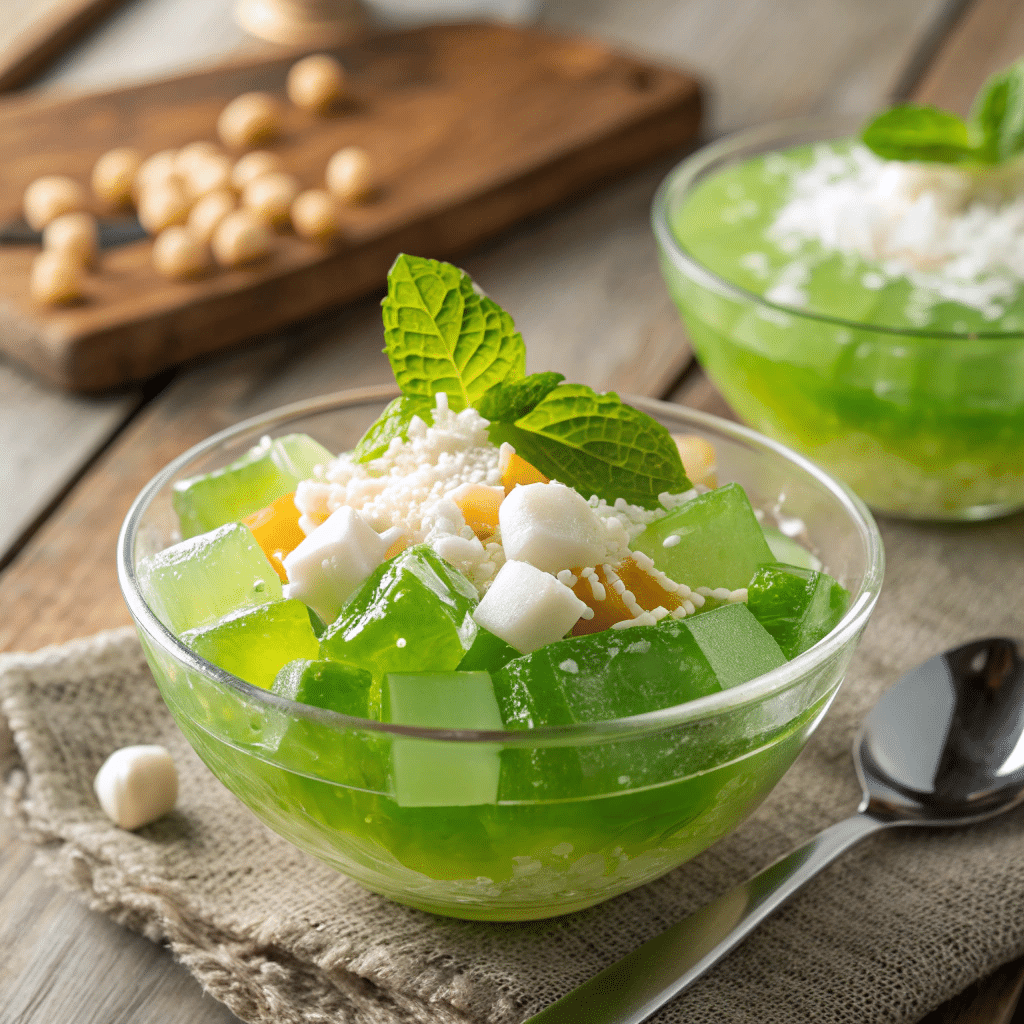
Buko Pandan Filipino Salad Dessert
Ingredients
Method
- Boil water in a medium saucepan.
- Add sago and cook for 10–15 minutes until pearls turn translucent.
- Drain and rinse under cold water to remove excess starch. Set aside.
- If using store-bought gelatin, cut into small cubes.
- For homemade, dissolve agar-agar or gelatin powder with water, sugar, and pandan extract, let it set, then cube.
- In a large bowl, combine coconut strips, sago, and pandan jelly cubes.
- Add sweetened condensed milk and heavy cream.
- Gently fold all ingredients together until coated. Taste and adjust sugar if needed.
- Cover and refrigerate for at least 2 hours before serving.
- Scoop into bowls and optionally garnish with toasted coconut flakes or diced fruits. Enjoy chilled.
Notes
- Fresh young coconut is ideal for the best flavor, but canned works fine.
- Adjust sugar based on personal taste; condensed milk is already sweet.
- For a tropical twist, add diced mango, jackfruit, or nata de coco.
- Best served chilled; freezing is not recommended as the texture changes.
FAQ: Buko Pandan Filipino Dessert
Q1: Can I make Buko Pandan ahead of time?
Absolutely! Prepare it a day in advance and chill in the fridge. The flavors meld beautifully overnight.
Q2: Can I skip sago or gelatin?
Yes, though you’ll miss the classic chewy texture. You could replace sago with tapioca pearls or omit gelatin entirely for a creamy, fruit-forward version.
Q3: What’s the best coconut to use?
Fresh young coconut is ideal, but canned young coconut strips work well. Just drain them to avoid excess liquid.
Q4: How do I adjust sweetness?
Taste as you mix the condensed milk and cream. Add sugar gradually until it suits your palate.
Q5: Can Buko Pandan be frozen?
I wouldn’t recommend freezing. The gelatin and coconut texture changes when thawed. Best enjoyed chilled, not frozen.
Wrapping Up: Make Buko Pandan Your Own
Buko Pandan isn’t just a dessert—it’s a way to celebrate tropical flavors with a simple, creamy twist. I love experimenting with different textures, whether it’s adding sago pearls, nata de coco, or mixing it into a cheesecake. The recipe is forgiving, so feel free to make it your own.
Next time you’re craving something light, refreshing, and downright delicious, whip up this Buko Pandan Filipino Salad Dessert. Your taste buds—and anyone you serve it to—will thank you.
